Russia, Saudi Arabia and Australia named biggest fossil fuel exporters of CO<sub>2</sub> as study traces global warming emissions from coal, oil and gas exports dating back to 1850
Russia, Saudi Arabia and Australia have been identified as the world's largest historical exporters of carbon dioxide emissions in a new analysis
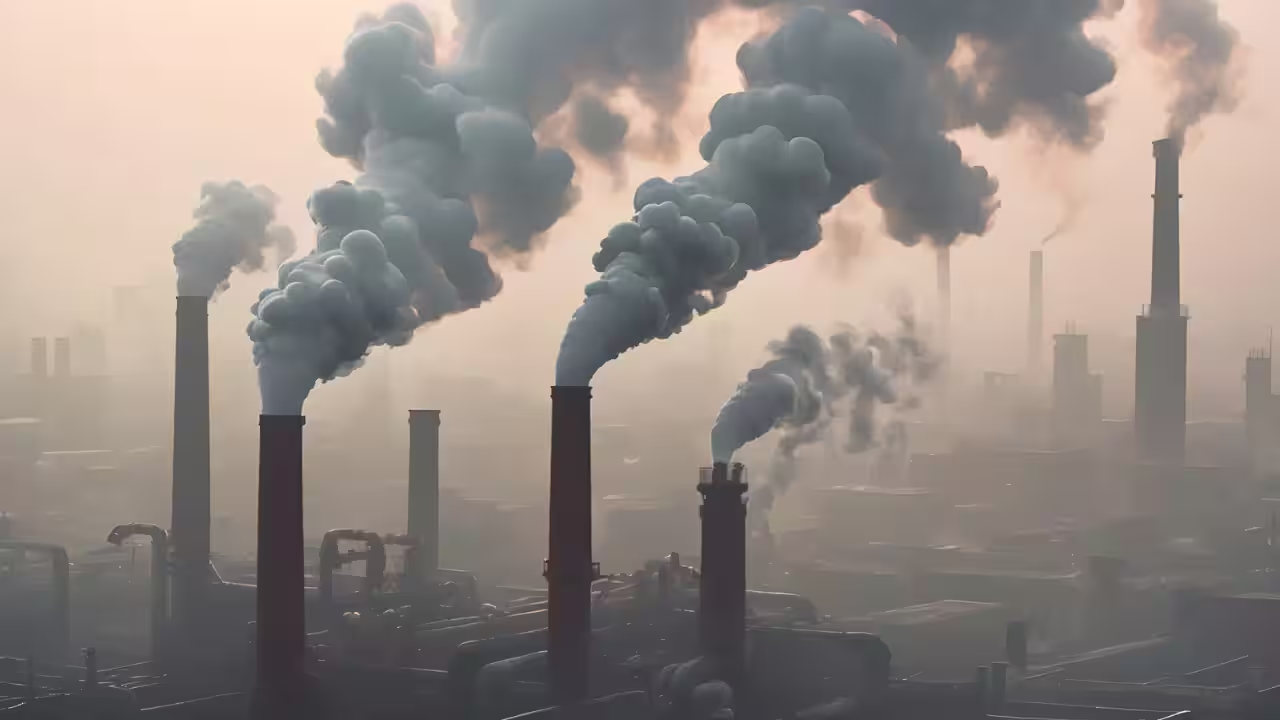
Russia, Saudi Arabia and Australia have been identified as the world's largest historical exporters of carbon dioxide emissions in a new analysis examining fossil fuel exports dating back to 1850. The findings shift attention from countries that burn coal, oil and gas to those that extract and sell them abroad. Published by climate news and analysis website Carbon Brief, the analysis estimates that Russia's exported fossil fuels generated almost 70 gigatonnes of CO2, followed by around 60 gigatonnes linked to Saudi Arabia and more than 25 gigatonnes from Australia. The results have renewed debate over which countries should bear responsibility for the damage caused by global warming.Why Russia, Saudi Arabia and Australia are being linked to historical global warmingMost assessments of a country's historical carbon emissions count the CO2 released within its borders. This means emissions are generally attributed to the country where fossil fuels are burned, rather than the nation that extracted and exported them. Carbon Brief's new analysis uses a different approach, known as extraction-based accounting, which assigns emissions to the country where the coal, oil or gas was produced, even if another country later used the fuel.According to Carbon Brief's analysis by Dr Simon Evans, the calculations cover fossil fuel exports from 1850 to 2025 and draw on data compiled by Robbie Andrew, a senior researcher at the Norwegian climate institute CICERO. The method estimates the CO2 that would be released when exported fossil fuels are burned. It therefore offers a different way to examine historical responsibility for global warming, rather than replacing conventional emissions accounting.The findings put Russia at the top of the historical fossil fuel export ranking, with almost 70 gigatonnes of CO2 attributed to fuels extracted there and burned overseas. Saudi Arabia follows with approximately 60 gigatonnes, while Australia ranks third with more than 25 gigatonnes. Venezuela is close behind Australia. Other major exporters identified in the analysis include Iran, Norway, the United Arab Emirates and Canada.Russia, Saudi Arabia and Australia account for billions of tonnes of exported CO2Russia's position reflects its extensive coal, oil and gas resources and the volume of fossil fuels it has supplied to international markets. The analysis attributes an additional 69 billion tonnes of CO2 to Russia when emissions from its exported fuels are included. This places the country third in the overall historical emissions ranking under the extraction-based method, behind the United States and China.Saudi Arabia's position changes considerably when oil and gas exports are counted. The country becomes the world's fifth-largest contributor to historical warming under this accounting approach, with its cumulative emissions responsibility increasing more than fourfold. Australia also moves up the rankings, entering the top 10 historical emitters as its contribution more than doubles when emissions from exported fossil fuels are included.As The Guardian explains, the findings arrive as Australia co-presides over the COP31 UN climate summit in Turkey. Fossil fuels account for about two-fifths of Australia's export economy, and the country has not set an end date for their use or export. Reports also state that Australian coal mines were still being approved with potential operating lives extending to 2088, raising questions about the gap between its climate diplomacy and continued fossil fuel production.The analysis does not suggest that these three countries are responsible for more historical warming overall than every other nation. The United States and China remain the two largest contributors under extraction-based accounting because both have burned substantial quantities of their own fossil fuels as well as importing energy from elsewhere. The distinction is that the new ranking isolates the emissions associated with exported fuels and highlights the role of major suppliers.How counting fossil fuel exports changes the ranking of historical pollutersThe shift in accounting also changes the position of countries that depend heavily on imported energy. Germany, India, France and Turkey fall in the rankings when responsibility is assigned to the countries extracting fossil fuels. Japan provides a striking example: it ranks sixth in historical emissions when measured by the fuels burned within its borders, but falls to 34th under extraction-based accounting because it relies heavily on imported fossil fuels.Population size also affects how historical responsibility is understood. Carbon Brief's analysis found that smaller countries exporting large quantities of oil and gas, including Brunei, Kuwait, Qatar, Norway and Trinidad and Tobago, rank prominently when extraction-based emissions are measured per person. This offers another perspective on the relationship between fossil fuel production, exports and historical climate impact.The dataset has some important limitations. Emissions are allocated according to present-day national borders, with historical production from the former Soviet Union, Czechoslovakia and Yugoslavia distributed among their successor countries using their shares at the time of separation. Carbon Brief describes the dataset as a draft release based on available information. Its results should therefore be understood as an alternative accounting framework rather than a definitive measure of legal responsibility.Who should pay for climate damage caused by exported fossil fuels?The findings have implications for international discussions about climate finance and the responsibility of fossil fuel-producing nations. Campaigners argue that countries that have earned substantial revenues from exporting coal, oil and gas should contribute more towards climate action and the costs of climate damage. At COP31, the debate has become particularly relevant because Australia is helping lead negotiations while continuing to export fossil fuels.The question is contested, though. A representative for the Saudi ministry of energy told The Guardian that it would be misleading to assign responsibility for emissions from exported oil solely to the producing country, arguing that importing nations decide how fuels are used and what technologies burn them. The representative also pointed to Saudi Arabia's efforts to reduce emissions from its own energy production. Robbie Andrew, whose data underpin the analysis, similarly told Carbon Brief that responsibility is shared between those who extract fossil fuels, those who produce and supply them, and those who consume them.The debate is not simply about which country appears highest on an emissions chart. It concerns how responsibility should be divided between fossil fuel exporters and the economies that have depended on their supplies. By adding the emissions from exported fuels to the picture, the analysis makes the historical role of energy producers more visible and raises further questions about who should fund the transition away from fossil fuels and help countries cope with climate change.You use AI every day. Now get your AI Quotient. Take the AIQ test.
Topics in this story
Gathered from external sources. Rights to this text belong to whoever originally published it.