After Hurricane Sandy, scientists fenced deer out of damaged parts of New York’s Fire Island; 3 years later, fenced plots carried more plant cover than unfenced plots
A study reveals fenced areas on New York's Fire Island, after Hurricane Sandy, have significantly more plant cover than unfenced plots. The impact of deer on vegetation recovery examined three years post-storm.
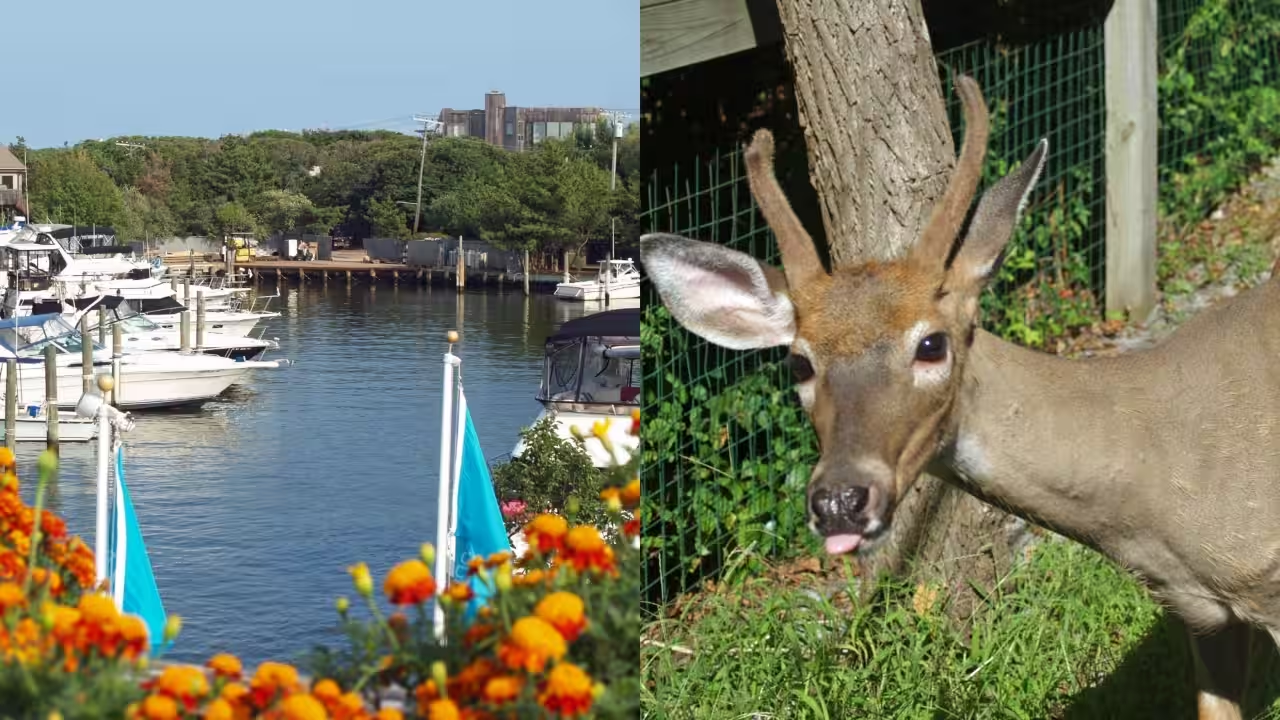
Barrier islands depend on dunes and vegetation to protect their interiors from waves and storm surge. When a powerful storm washes sand across the dunes, it can remove much of the plant cover that holds the landscape together. Fire Island, a barrier island off the south shore of Long Island, New York, offered scientists a chance to study how vegetation recovers after a major storm.After Hurricane Sandy struck on October 29, 2012, researchers examined damaged areas in the Otis Pike Fire Island High Dune Wilderness Area. The storm left nine overwash fans, where surge carried sand inland and removed much of the existing vegetation and foredunes. Before the hurricane, foredunes in the study area stood between 4 and 15 meters high. Sandy also opened a channel at Old Inlet, connecting the ocean and Great South Bay. The National Park Service says the breach has shifted over time but remained relatively stable since 2013. The park service's account of the Old Inlet breach explains how storms and moving sediment continue to reshape this part of the island.Deer grazing slowed vegetation recoveryThe researchers were interested in one possible obstacle to recovery: white-tailed deer. Deer are the main large herbivores on Fire Island, and they eat grasses and other plants. Their hooves can also damage vegetation and disturb sandy ground. Trail camera monitoring suggested that deer used the recovering overwash fans much more heavily than the wider wilderness area. The study estimated local use at an average of about 27 deer per hectare, compared with long-term area-wide estimates of 0.25 to 0.40 deer per hectare. This was a local estimate for the small study areas, not a count of the entire island's herd. The study in AoB Plants reports the method and comparison.Beachgrass was central to the recovery question. American beachgrass grows through the sand, sending out roots and shoots as more sand accumulates around its base. This growth traps additional sand and can gradually rebuild a dune. Other shrubs and herbs can then establish in the shelter behind it. If grazing or trampling limits the grass, the formation of new dunes may slow, leaving areas farther inland more exposed to future storms.How researchers tested the effects of deerThe researchers set up 61 permanent plots across the nine overwash fans in spring 2013. Some plots were surrounded by wire fences that deer could not enter, while nearby comparison plots remained open. The fences were about 1.5 meters high and were buried approximately 30 centimetres into the sand to prevent deer from getting underneath. Researchers surveyed the plots in September 2015 and 2016, recording plant cover and the number of species present.The results showed a clear difference in plant cover in both survey years. In 2015, vegetation covered an average of 58.2 per cent of fenced plots, compared with 33.2 per cent of unfenced plots. In 2016, cover reached 66 per cent inside the fences and 48.6 per cent outside. American beachgrass accounted for between 87 and 96 per cent of the vegetation cover. Researchers recorded 12 plant species across the permanent plots, although individual plots usually contained four or fewer species. Fenced plots also held a greater variety of species than open plots.A broader assessment recorded 29 plant species across the overwash fans during surveys in 2015 and 2016. That figure does not contradict the 12 species in the permanent plot study: the wider assessment covered more survey locations and methods than only the experimental plots. The report also examined sea beach amaranth, a federally threatened plant. Plants left outside protective fences were often heavily browsed by deer and died before producing seeds. The USGS report on deer browsing and vegetation recovery describes these wider findings.What the findings reveal about dune recoveryThe overall recovery was more complicated than a simple story of deer preventing plants from returning. Total vegetation cover across the overwash fans increased each year after Sandy, even as deer continued to use the area and a regional drought affected the island in 2016. Two overwash fans also experienced repeated coastal disturbances that complicated their recovery. The researchers could not separate the effects of deer eating plants from the damage caused by their trampling. Human activity could also disturb the sandy areas.The experiment therefore found that excluding deer was associated with greater plant cover and species richness in the monitored plots. It did not show that deer were the only factor shaping recovery, or that fencing alone could restore every damaged dune. Storms, shifting sand, drought and the gradual return of different plant species all influenced the landscape. For barrier islands such as Fire Island, the findings underline the role of vegetation in rebuilding dunes after severe storms and the importance of monitoring how those plants recover.You use AI every day. Now get your AI Quotient. Take the AIQ test.
Topics in this story
Gathered from external sources. Rights to this text belong to whoever originally published it.