An Australian man offered $10,000 to find his missing dog; then a stranger sent him an AI-generated photo of the pet in a cage in a suspected scam
An Australian man searching desperately for his missing dog offered a A$10,000 reward for its safe return, hoping someone would help bring his beloved pet
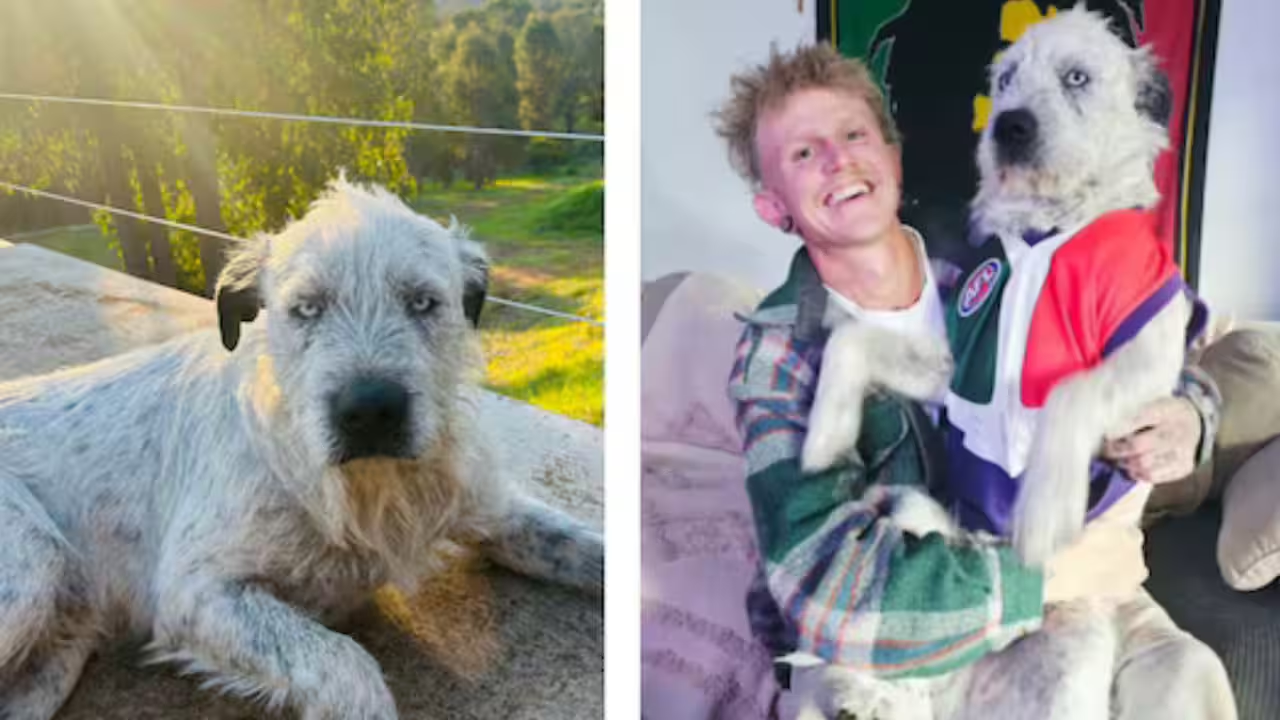
An Australian man searching desperately for his missing dog offered a A$10,000 reward for its safe return, hoping someone would help bring his beloved pet home. Instead, he received a message from a stranger claiming to have found the animal, followed by a photograph that appeared to show the dog inside a cage. The promise briefly raised his hopes, but the stranger never arrived at the agreed meeting point. When the owner examined the photograph, he suspected it had been created using artificial intelligence, with an image he had previously shared online seemingly manipulated to make the dog appear inside a crate. The incident has highlighted how scammers can exploit the emotional distress of people searching for missing pets.How Bundy went missing in Western AustraliaWestyn Ruyter's 18-month-old dog, Bundy, an Irish wolfhound and blue heeler cross, disappeared on October 9 near Southampton Road in Balingup, a town in Western Australia's South West region, approximately 240 kilometres south of Perth.Ruyter had let Bundy and his two other dogs, Winnie and Runt, out on his rural property, where he was building a house. The dogs usually ran around the property before following him back.Winnie returned that evening, but Bundy and Runt remained missing. At around 1.30 am, Runt eventually returned alone. According to Ruyter, the dog appeared frightened, was shaking and seemed to have pain in his hind legs.Ruyter subsequently discovered that security cameras on the property had been stolen. However, no connection has been established between the missing cameras and Bundy's disappearance.A $10,000 reward brings a false leadAs the search continued without success, Ruyter appealed for help on social media and offered A$10,000 for Bundy's safe return.He also put up missing-dog posters and contacted veterinarians and rangers in surrounding areas. Bundy was particularly important to him because he had been with the family since birth. The dog was the puppy of Ruyter's other dog, Winnie.Ruyter described Bundy as gentle and well-behaved, saying he would do anything to bring him home.The reward attracted attention, but it also preceded an encounter that added to the owner's distress.A person contacted Ruyter claiming to have found Bundy and suggested meeting at a general store in Balingup. Believing the message could finally lead him to his dog, Ruyter arranged for his father to go to the meeting point.His father waited for approximately an hour and searched around the town, but nobody arrived with Bundy.The suspicious photograph that raised alarm bellsWhen Ruyter asked the person for further proof that Bundy had been found, the individual sent a photograph that purported to show the missing dog inside a cage.Ruyter quickly became suspicious. He said the image appeared to use the same photograph of Bundy that he had previously posted on Facebook, with a cage seemingly added around the animal.He also pointed to what he considered suspicious visual details, including an artificial-looking dog bowl and blurred cage bars in front of Bundy's face.Ruyter told ABC News that the image was obviously AI-generated. After sending it, the person stopped responding.The photograph appeared to offer evidence that Bundy had been found, but it did not establish that the sender had the dog. The available information does not identify the person behind the messages or independently establish which technology was used to create or manipulate the image. Nor does it confirm that Ruyter paid the person any money.Australian authorities warn about missing-pet scamsThe Australian Competition and Consumer Commission's National Anti-Scam Centre told ABC News that it was aware of scams targeting people searching for missing pets.According to the agency, scammers can use AI-generated images to make it appear that they have found an animal. They may then demand money, gift cards or cryptocurrency in exchange for returning the pet.The centre warned that scammers exploit situations that are urgent or emotionally distressing, making people searching for missing animals potential targets.Although this broader warning describes how missing-pet scams can operate, the available reporting does not establish that the person who contacted Ruyter demanded payment from him. His case centres on the false lead, the suspicious photograph and the sender's subsequent silence.How artificial intelligence can make scams more convincingPaul Haskell-Dowland, Professor of Cyber Security Practice at Edith Cowan University in Australia, told ABC News that scammers often search community groups for information they can use to target individuals.He explained that artificial intelligence and automated tools have made it easier for scammers to gather information, personalise messages and make fraudulent approaches appear more relevant to their targets.Missing-pet appeals can provide information such as an animal's name, appearance, location and photographs. While sharing these details can help owners reach people who might have seen their pets, the same information can potentially be misused.A manipulated photograph may appear convincing because it features the actual missing animal. However, recognising a pet in an image does not prove that the person sending it has found or possesses the animal.Haskell-Dowland advised people to be cautious about the information they share online, even when they are trying to resolve a distressing situation.The search for Bundy continuesDespite the suspected scam and the disappointment of the failed meeting, Ruyter continued to hope that Bundy would be found.His experience illustrates how a missing-pet appeal can become an opportunity for exploitation when someone uses an owner's public posts to create a convincing but misleading claim.Authorities have warned that scammers can use fabricated images to demand payment from people who are desperate to recover their animals. In Ruyter's case, the suspected deception compounded the distress of an already difficult search.You use AI every day. Now get your AI Quotient. Take the AIQ test.
Topics in this story
Gathered from external sources. Rights to this text belong to whoever originally published it.