Guernsey charity gives alcohol consumption scorecard to residents
The Health Improvement Commission says it is to help people get a clearer picture of their intake.
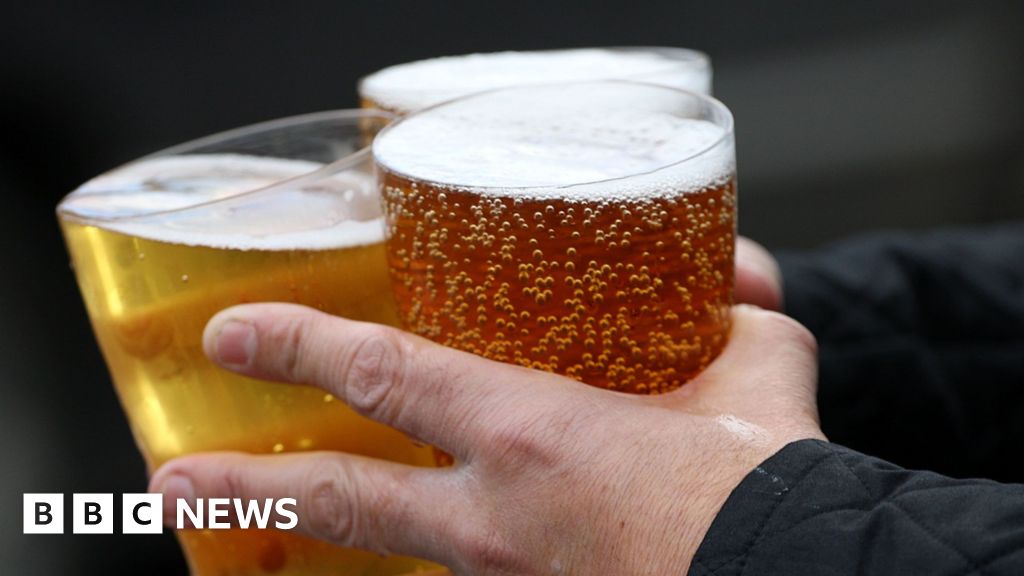
An alcohol consumption campaign with scorecards to monitor units, is aimed at helping islanders make informed decisions about their health.
The Rethink Your Drink scheme, set up by the Health Improvement Commission for Guernsey and Alderney, encourages residents to fill in scorecards noting their weekly alcohol intake and compare the results to the recommended guidelines.
The charity said islanders will receive a scorecard through their letterbox.
Andrea Nightingale, substance use lead at the Health Improvement Commission, said the scorecard was "a simple, interactive and engaging way to help people understand their intake".
The charity said the 2023 Wellbeing Survey found that 35.2% of adults aged 16 and over who drink alcohol reported consuming more than 14 units a week.
The UK Chief Medical Officers' low-risk drinking guidelines recommend men and women drink no more than 14 units per week, spread over three or more days, with at least two alcohol-free days each week.
The commission added alcohol units can be difficult to estimate, so the scorecard provides "a tried and tested tool" to help people calculate their weekly units and compare their results to the guidelines.
Nightingale said: "The scorecard is about helping people get a clearer picture of where they are today and giving them the confidence to think about where they would like to be tomorrow.
"Small changes really can add up to a big difference, and for many people, simply knowing their number could help them consider whether any changes might benefit their health and wellbeing."
Follow BBC Guernsey on X and Facebook and Instagram . Send your story ideas to channel.islands@bbc.co.uk .
Charity aims to make 'healthier behaviours easier'
Thousands of drink covers funded to tackle spiking
Substance use continuing to cause preventable harm
Topics in this story
Gathered from external sources. Rights to this text belong to whoever originally published it.