South African father and son duo built a drone that reached 510 km/h after their first model missed out on a world record, using a new carbon-fibre design and months of testing to achieve Guinness World Records recognition
A drone capable of travelling faster than 480 km/h is the result of months of design work, repeated testing and engineering adjustments by a father and
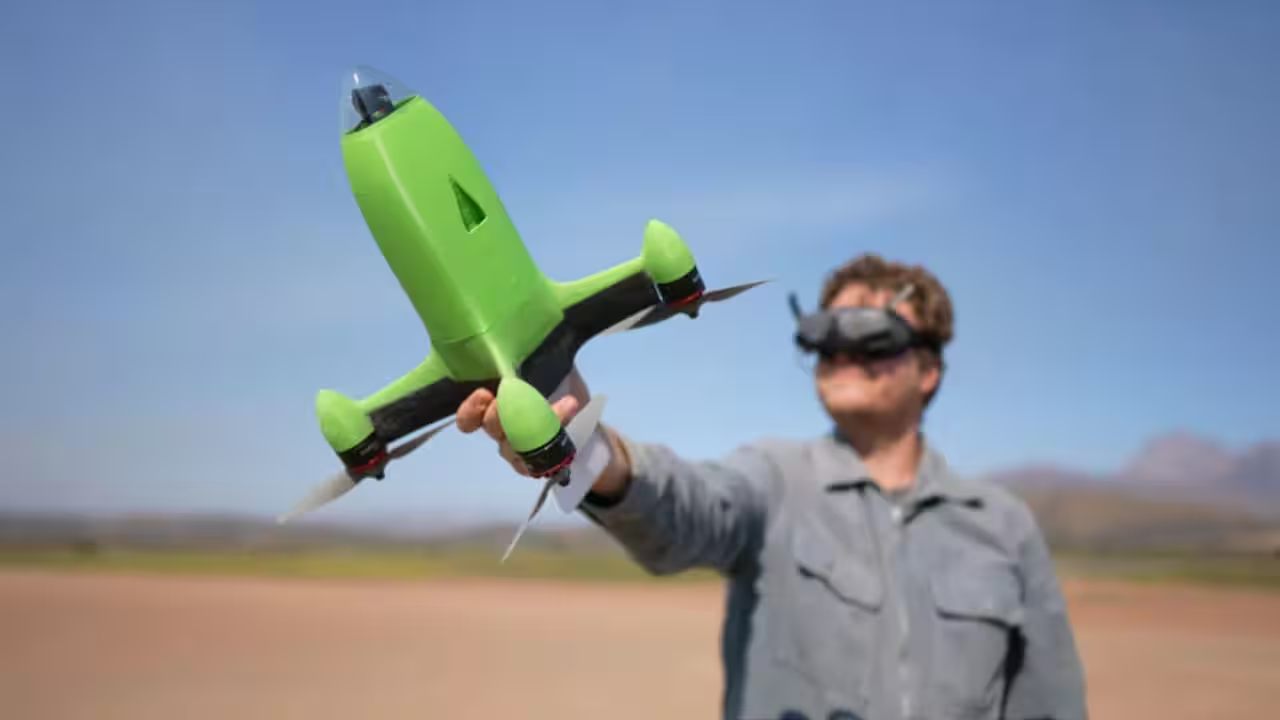
A drone capable of travelling faster than 480 km/h is the result of months of design work, repeated testing and engineering adjustments by a father and son in South Africa. Luke Bell and his father Mike developed a battery-powered quadcopter called Peregreen 2, which set a Guinness World Records title in 2024 for the fastest ground speed by a battery-powered remote-controlled quadcopter. Its officially recognised average speed was 480.23 km/h (298.47 mph), although the aircraft reached a peak measured speed of 510 km/h (317 mph) during the record attempts. The pair faced overheating components, electrical fires and several failed tests before the drone was ready for its official runs.How a father-son duo from South Africa created the world's fastest battery-powered droneThe project was based in South Africa's Western Cape, where Luke and Mike spent several months working on the quadcopter. Peregreen 2 was not their first attempt at building a high-speed drone. An earlier version, named Peregreen, had reached 397 km/h (247 mph), but that performance did not result in an officially recognised Guinness World Records title.The father-and-son team returned to the design with changes intended to improve its speed and flight performance. The development process involved more than simply fitting powerful motors. The shape, weight distribution and overall construction of the aircraft all needed attention, particularly because a quadcopter travelling at such speeds faces considerable aerodynamic resistance.Their revised machine eventually achieved an officially recorded average ground speed of 480.23 km/h. During the two record-setting runs, its onboard measurements also registered a maximum speed of 510 km/h (317 mph). At that pace, the drone can cover approximately 142 metres in a second, as reported by Guinness World Records.Technical setbacks to build a high-speed droneGetting Peregreen 2 into the air at high speed involved a number of technical setbacks. During testing, some of its electrical components struggled to cope with the demands placed on them. Wires and batteries became so hot that they caused electrical fires, forcing the team to address problems with the design before continuing.Its outer shell was made from carbon fibre, a lightweight material that helped keep the drone's weight down. The team also developed a redesigned shape that was 3D-printed at a workshop before being fitted with motors, batteries and other components. The new design was intended to improve aerodynamic performance, an important consideration for a quadcopter travelling at extremely high speeds.The body was reshaped to make it more aerodynamic. This mattered because air resistance becomes an increasingly significant obstacle as an aircraft accelerates. The Bells also received guidance from aerothermal engineer Chris Rosser, who helped them work through the challenges involved in controlling a quadcopter at such high speeds.Guinness World Records rules behind Peregreen 2's record-breaking drone speedA single high-speed run was not enough to establish the Guinness World Records achievement. The official rules required the drone to complete two successful flights in opposite directions. This method helps account for the effect of wind on the measured speed. A drone flying with a tailwind could record a higher ground speed, while a headwind could reduce the figure. Taking measurements in both directions allows the results to be assessed without giving either flight an advantage from prevailing wind conditions.Reportedly, Peregreen 2 completed the required runs, producing an average speed of 480.23 km/h. Its highest measured reading during the attempts was 510 km/h, but the average across the two flights was the figure used for the official record.The achievement was recognised under the specific category of fastest ground speed by a battery-powered remote-controlled quadcopter, distinguishing it from records involving other types of drones or aircraft.Mike and Luke Bell bring different experience to the projectMike Bell worked as an architect during his career and was involved in the design of Mbombela Stadium in South Africa. The stadium was one of the venues used during the 2010 FIFA World Cup, hosting four matches of the tournament. Luke, meanwhile, works as a content creator, producing material about drones and cameras for his YouTube and Instagram audiences. He is also an ambassador for Sony. His familiarity with camera equipment and drones provided a different perspective on the project, while his father's architectural background brought experience in design and construction.Peregreen 2 brought those interests together in a project that required both practical engineering and repeated experimentation. The record was not achieved in a single test session. It followed months of adjustments, including a complete redesign after the earlier Peregreen model failed to secure official recognition. By the time the second aircraft completed its record attempts, the team had produced a quadcopter capable of reaching speeds rarely associated with battery-powered remote-controlled machines.Disclaimer: This article is based on information published by Guinness World Records and other publicly available sources. The Times of India has not independently verified the technical details of the drone's construction or the record-setting attempts.You use AI every day. Now get your AI Quotient. Take the AIQ test.
Topics in this story
Gathered from external sources. Rights to this text belong to whoever originally published it.