New hurricane season record as 'historic' El Niño leaves Atlantic eerily quiet
The Atlantic hurricane season has reached its climatological peak, but a strong El Niño means no hurricanes have formed this year.
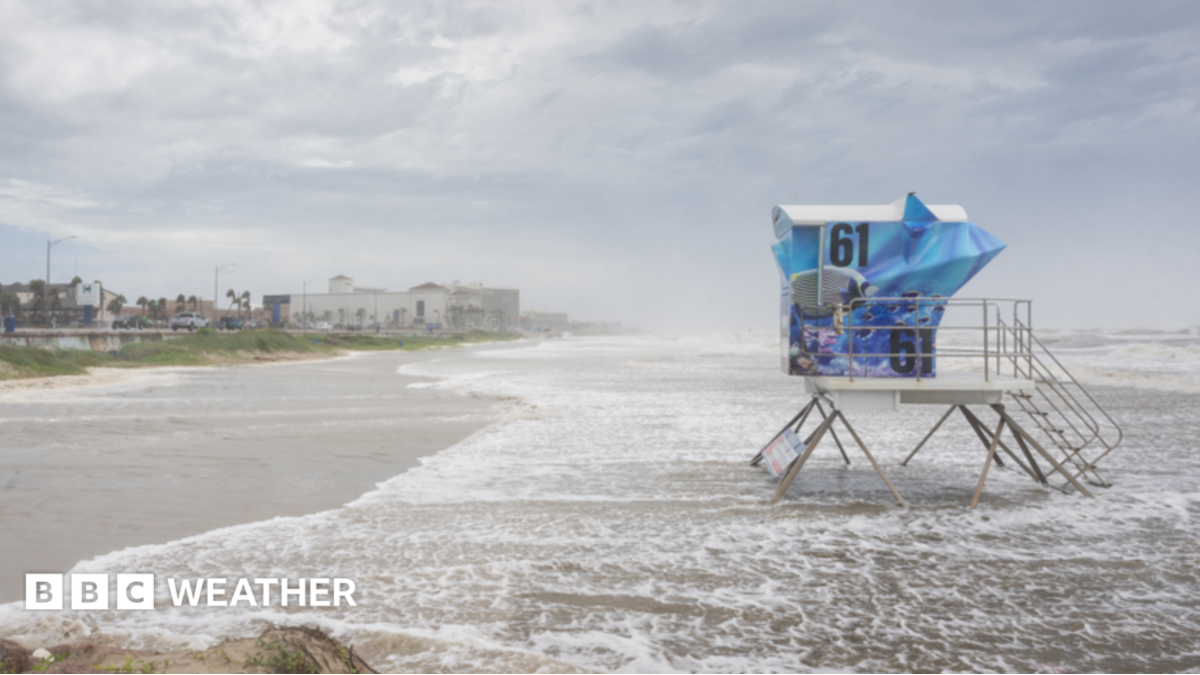
A new hurricane season record is likely to be set this week as a historic and still strengthening El Niño stifles tropical development in the Atlantic.
To date, no hurricanes have formed in the basin, despite this week marking the peak of the season on average - and there's no sign of development in the near future.
It means a new record is likely to be set for the latest date in the satellite era (1960s onward) without an Atlantic hurricane forming.
Currently, the record is 11 September, set in 2002 and 2013.
In an average season, there would have been eight named tropical storms and three hurricanes by this point.
This year, however, there have only been five tropical storms: Arthur, Bertha, Cristobal, Dolly and Edouard.
With few indications that there will be any development in the next week, this will mean the longest stretch into in a season where no hurricane has formed in the modern satellite era.
In the eastern Pacific, where El Nino tends to strengthen hurricane activity, it has been fairly active season so far.
There have been 13 named storms including five hurricanes, three of which were major.
This is close to the number that would typically develop in the whole of an average season.
The latest, major hurricane Lowell , hit Hawaii this week with damaging winds, flooding rain and high waves.
Forecasters predicted the Atlantic hurricane season would be quieter than average.
In May, the National Hurricane Center forecast a total of eight to 14 named storms, three to six of which would become hurricanes, including one to three major hurricanes.
The reason for this below-average forecast is El Niño.
While El Niño is the natural warming of the tropical Pacific, it can disrupt weather patterns around the globe.
In a typical hurricane season, upper winds over the Atlantic increase and this leads to more wind shear, where wind changes rapidly with height.
Increased wind shear rips apart thunderstorms, preventing them from growing into tropical storms or hurricanes.
El Niño is already on track to be one of the strongest on record, expected to peak in November or December.
The National Oceanographic and Atmospheric Administration has said this El Niño will most likely be 'historic', exceeding the strength of previous El Niño events dating back to 1950.
In addition to El Niño, Saharan dust has also helped suppress activity.
Over the last week, dust and sand whipped up by winds in the Sahara have been transported thousands of miles from Africa.
When this dry, dusty layer of air is directed across the Atlantic, it prevents storms from growing.
It is expected that this will continue to cause quieter conditions over the next week at least.
Atlantic hurricane season runs until 30 November.
Topics in this story
Gathered from external sources. Rights to this text belong to whoever originally published it.