China’s revised defense law paves way for AI and drones to become military assets
China amended its national defense mobilization law for the first time in 16 years, adding provisions to convert AI, drones, and other tech for war.
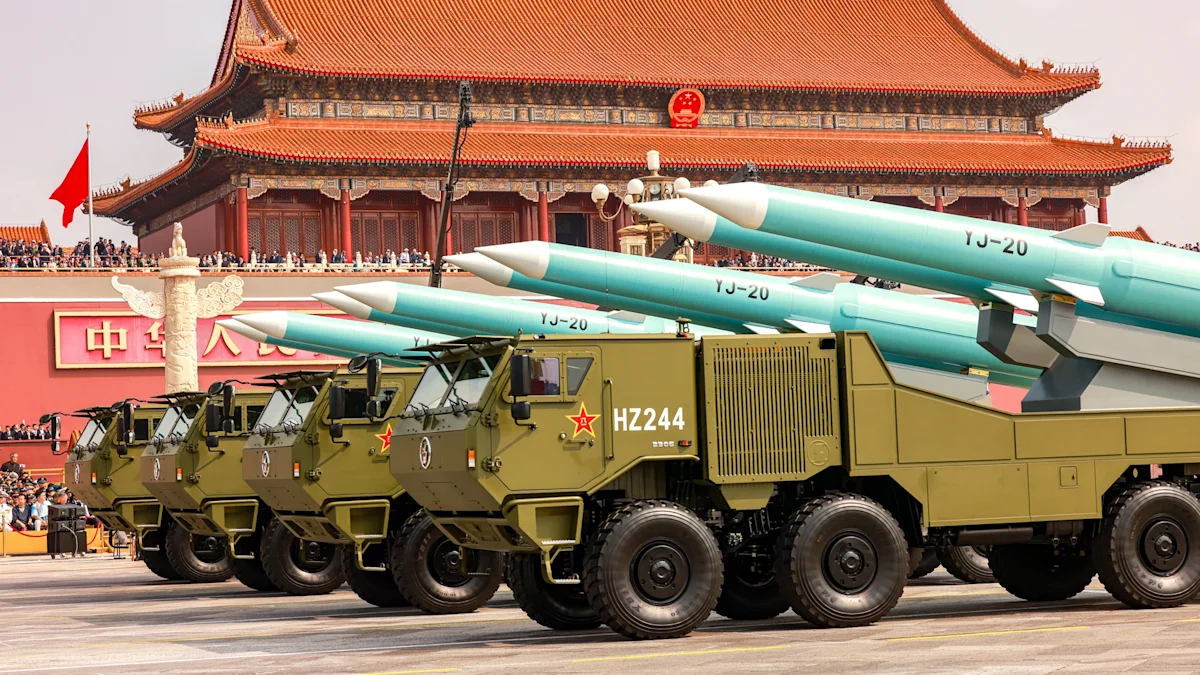
China has amended its wartime mobilization law to include advanced technologies like AI systems and drones, aiming to convert civilian infrastructure into military capability during a crisis.
The revised law, passed by China's top legislature, broadens the definition of advanced technologies to include cyberspace, AI, unmanned systems, biotechnology, and more, reflecting the evolving nature of modern warfare.
The amendment, influenced by lessons from the Russia-Ukraine conflict, creates a legal framework for China to rapidly mobilize emerging civilian technologies for defense purposes, highlighting the critical role of unmanned, intelligent, and cyber technologies in modern warfare.
China has rewritten a wartime mobilization law for the first time in 16 years. The amendment adds language specifically aimed at converting AI systems, drones, and other emerging technologies into military capability during a crisis. It passed China's top legislature on Friday and takes effect October 1.
The revised text, published by state news agency Xinhua, states that "the state promotes the application of advanced technologies in national defense mobilization and develops national defense mobilization forces in emerging fields." The law itself does not spell out exactly which technologies qualify as "advanced."
Beijing-based military law expert Xie Dan said the amendment refers to cyberspace, AI, and unmanned systems including drones. It also covers the electromagnetic spectrum, surveying and mapping navigation, biotechnology, and maritime, space, and quantum technologies . Xie said the update covers not just the technologies themselves but also the market entities and specialized talent working within these fields. That broader framing suggests the law is designed to reach well beyond hardware alone, extending into the companies and workers developing it.
Analysts said the inclusion would let Beijing rapidly convert emerging civilian and dual-use infrastructure , including AI systems and unmanned platforms, into defense capabilities during wartime. That kind of conversion mechanism did not exist in the law's previous form, which was last written 16 years ago under very different technological conditions.
Xie pointed directly to the Russia-Ukraine conflict as validation for the update. He said it "further validates the critical role of unmanned, intelligent and cyber technologies in modern warfare, reinforcing the necessity of this legislation." That war has repeatedly shown how cheap drones, AI-assisted targeting , and cyber operations can reshape a modern battlefield.
The amendment lands alongside separate research suggesting China's existing drone manufacturing base may struggle to meet wartime demand even with rapid mobilization. A recent study from the Beijing Institute of Technology found that Chinese factories could fulfill only around 60 percent of projected wartime drone orders. That held true even under an AI-optimized mobilization strategy, due to persistent supply chain constraints around core components.
The law's first version dates back 16 years, reflecting how significantly the technological landscape shaping modern warfare has shifted since then. Where the original law focused on mobilizing conventional industrial capacity, the amendment explicitly builds a legal bridge between China's fast-growing commercial technology sectors and its wartime military needs.
The update itself does not deploy any new weapon or capability on its own. Instead, it creates the legal groundwork China would use to convert existing AI models, drone manufacturing lines, and other emerging-technology infrastructure into defense assets if a large-scale conflict required it. Experts say that kind of formalized conversion process has become increasingly central to how modern militaries prepare for war.
Gathered from external sources. Rights to this text belong to whoever originally published it.