Trump says he does not think suspected Russian plague cases are a bioweapon
President Trump said Wednesday he does not think the suspected Russian plague cases are a bioweapon. “We don’t think so,” the president said in the Oval Office. He said Russia has said it has it “under control.” “They’re sharing it a little bit with our people,” Trump said. “I expect them to share it a…
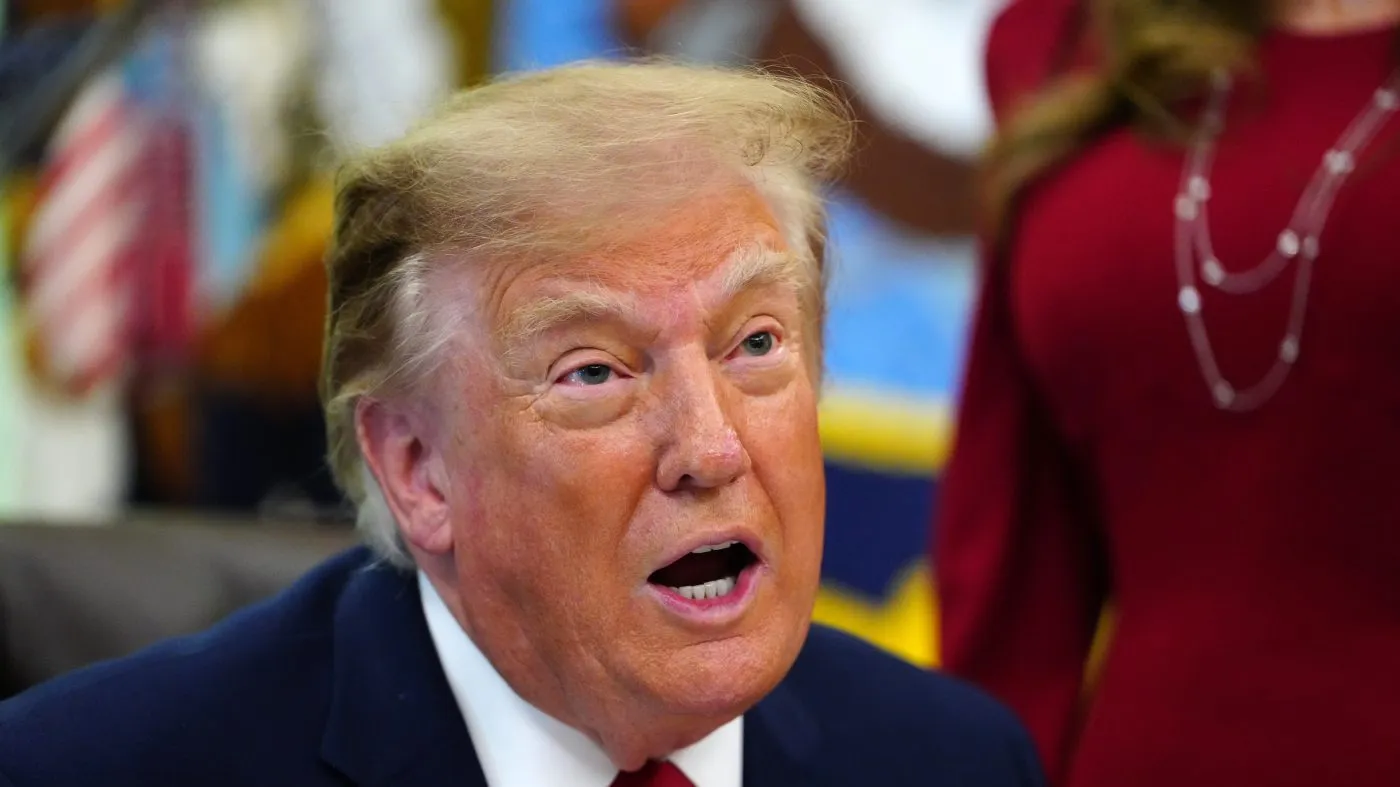
President Trump said Wednesday he does not think the suspected Russian plague cases are a bioweapon.
“We don’t think so,” the president said in the Oval Office.
He said Russia has said it has it “under control.”
“They’re sharing it a little bit with our people,” Trump said. “I expect them to share it a lot with our people.”
A source familiar told The Hill’s partner network NewsNation that the U.S. has sent a formal diplomatic complaint to the Russian government demanding more information regarding the death of a woman working at the anti-plague research facility in Siberia.
A State Department official told NewsNation, “We have officially requested additional information from the Russian government. We are also in official communication with other countries around the world to share information.”
Officials have said they’re monitoring the suspected pneumonic plague case in Irkutsk Oblast, Russia.
NBC News reported Monday that some 200 people were under medical observation in Siberia after a 28-year-old lab worker, who was possibly exposed to the pneumonic plague, died.
Pneumonic plague “is a rare and often fatal disease that can be transmitted by respiratory droplets from animals or persons infected with Yersinia pestis bacteria,” according to the Centers for Disease Control and Prevention. It is different from pneumonia, which is the term for inflammation of the lungs.
On Sunday, the Russian consumer welfare service said the 28-year-old, who worked at an institute combating the plague in Irkutsk, died from “pneumonia of unknown etiology,” the outlet reported.
Trump said Monday the U.S. will “help” Russia with the potential outbreak.
“I hate to see them having it,” Trump told reporters. “It’s a rough disease. We used to be able to control, but somehow those microbes have gotten stronger and smarter.”
“The germs have really become relatively stronger than they were, and things that used to work on pneumonia don’t work as well anymore,” he said.
Topics in this story
Gathered from external sources. Rights to this text belong to whoever originally published it.