UK engineers started with previously unwanted steel instead of a bridge design; they built the Tan House Footbridge around the available material to cut embodied carbon
A new footbridge in Wokingham, UK, was designed around steel that had already been used or was previously considered unwanted.
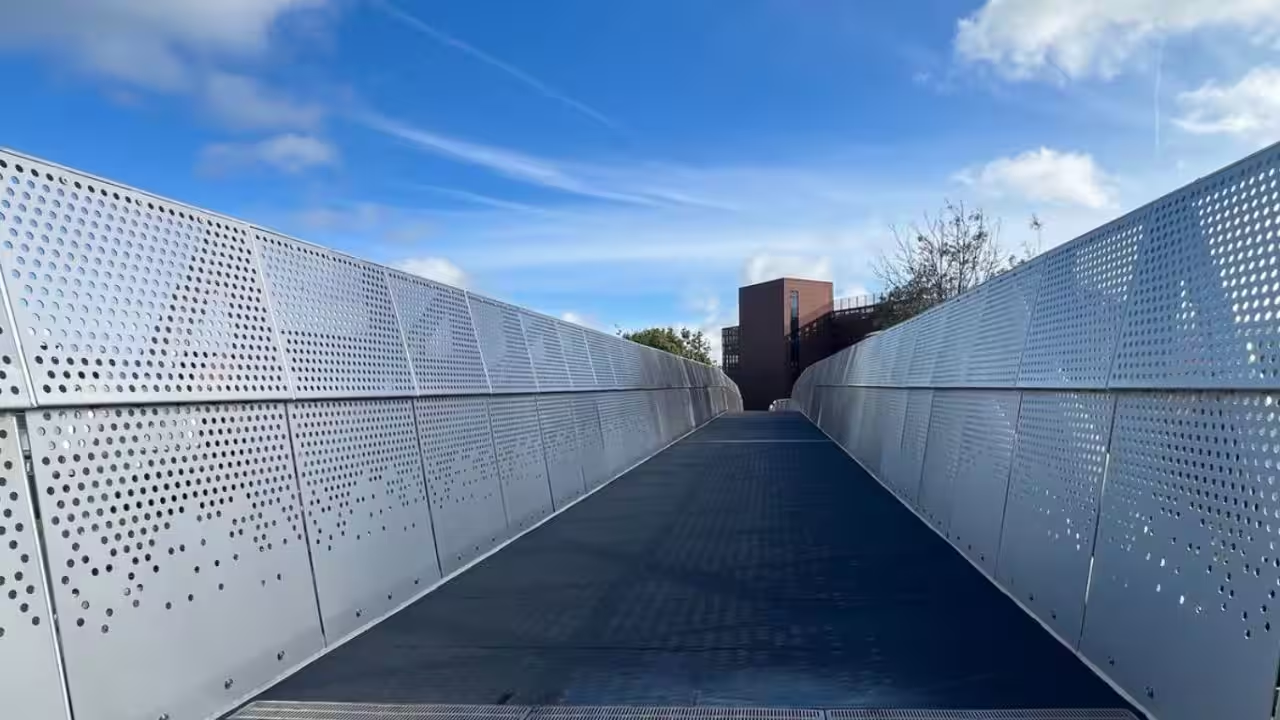
A new footbridge in Wokingham, UK, was designed around steel that had already been used or was previously considered unwanted. The approach allowed engineers to rethink the bridge design based on the material that was already available. According to the research published in The Structural Engineer, titled ‘Tan House Footbridge: Designing with repurposed steel, from early design stages to fabrication’, the bridge was designed, detailed and fabricated between February 2022 and October 2024. The team used digital design methods to test different options while tracking material use and embodied carbon savings throughout the design process. The project was delivered through a collaboration between Network Rail, WSP UK and Format Engineers.How repurposed steel shaped the Tan House Footbridge designRepurposed steel was central to the design of Tan House Footbridge. The team used creative digital techniques to adapt the bridge’s structural form to the available stock of previously unwanted steel. This allowed the material itself to influence the design from an early stage rather than being selected after the structure had been developed.Generative digital methods gave the team a flexible, iterative design process. Engineers could test different options, adjust the structure to suit available materials, and track potential savings in material use and embodied carbon at each stage leading to fabrication. This approach helped connect early design decisions with carbon reduction.Digital methods helped refine the bridge around repurposed steelThe engineers used generative digital methods to keep the design process flexible and test different options. These tools allowed the team to compare designs while tracking changes in material use and embodied carbon as the bridge developed.The design could then be reviewed and adjusted at each stage towards fabrication. Instead of settling on one design at the outset, the team could assess different possibilities and refine the structure as the available repurposed steel became clearer.This flexibility was important because the existing steel directly influenced the bridge’s structural form. Digital tools helped engineers match the design to the available material while continuing to assess the material and embodied carbon savings associated with each option.Tan House Footbridge combined bespoke design with lower embodied carbonTan House Footbridge was designed, detailed and fabricated between February 2022 and October 2024. The project focused on using repurposed or reclaimed material while still delivering a bespoke bridge suited to its site.The design process continued from the early stages through to fabrication. This allowed the team to assess material choices and their effects throughout the development of the bridge.The research states that the team believed Tan House had the lowest embodied carbon of any footbridge Network Rail had constructed on a live site at the time of writing.An internal Network Rail and design team study also found that Tan House had considerably lower CO₂ emissions than Network Rail's standard Series 400 steel rail bridge.How did the Tan House project reduce embodied carbonThe Tan House project also challenged the idea that a bespoke bridge must require higher capital expenditure or greater embodied carbon. The team found that a site-specific design could work with repurposed material while keeping carbon emissions lower.The project shows how the choice of materials can influence a structure before construction begins. By considering existing steel during the design process, the engineers were able to develop the bridge around material that was already available.The digital workflow also allowed the team to compare options and follow material and embodied carbon savings through fabrication. This made carbon reduction part of the design process rather than a consideration added at the end.You use AI every day. Now get your AI Quotient. Take the AIQ test.
Topics in this story
Gathered from external sources. Rights to this text belong to whoever originally published it.