Ukraine’s migration challenge won’t end with a peace deal
For many Ukrainians, the question will not be whether they love their country or miss home; it will be whether returning makes sense for their family.
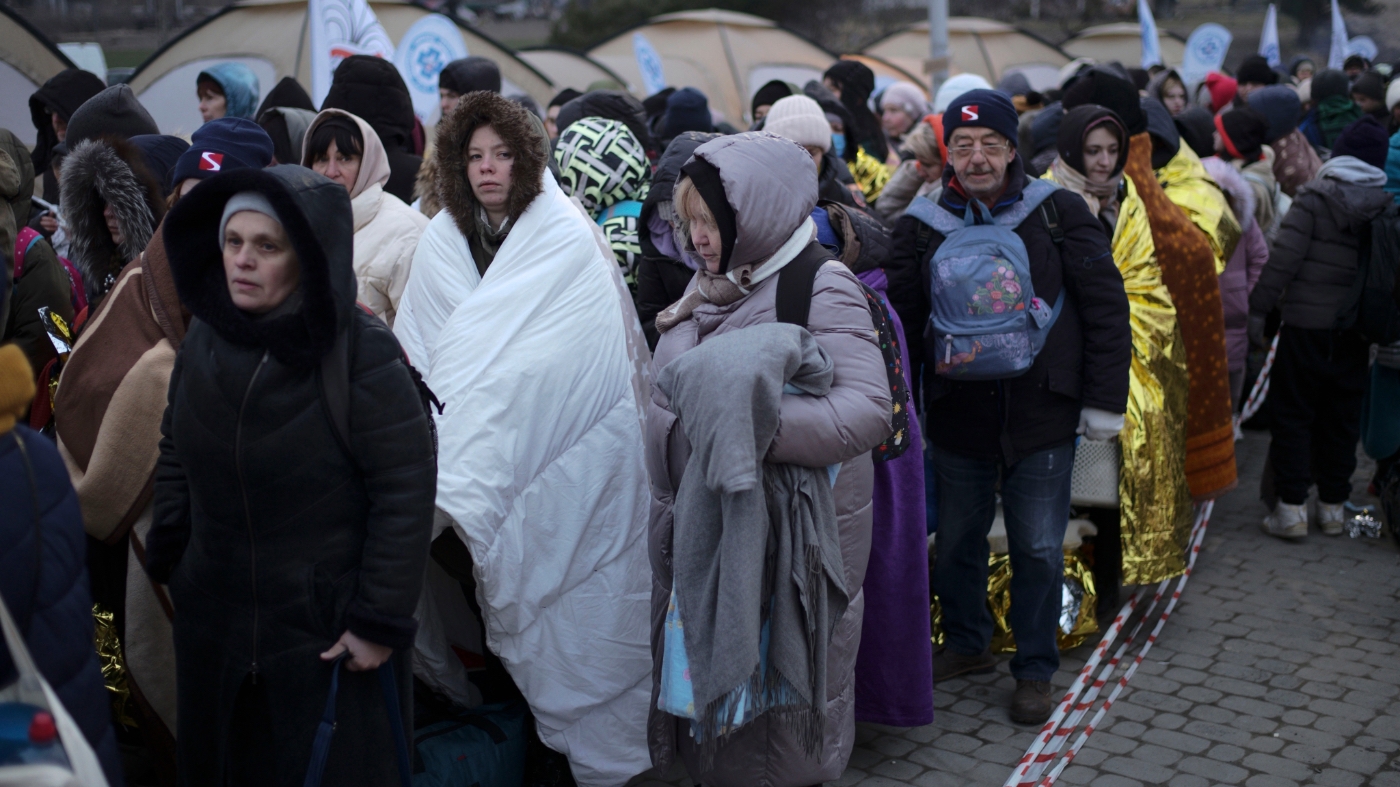
In 2022, millions of Ukrainians crossed the border carrying suitcases and hoping to return home within weeks or months. Four years later, many of them have built lives elsewhere.
That is why a peace agreement may end the war without ending Ukraine’s migration crisis.
Around 5.6 million Ukrainians remain abroad because of the full-scale war, according to the Center for Economic Strategy. More than 4.4 million people who fled Ukraine were under temporary protection in European Union countries as of July, according to Eurostat.
These numbers are not simply statistics about people waiting to go home. They represent millions of lives that have continued while the war has continued. Children have entered local schools. Parents have found jobs. Families have rented homes and built new social networks. Some have learned new languages and established careers. What began as temporary displacement has, for many, become an established life.
That does not mean Ukrainians no longer want to return. Research by the Center for Economic Strategy found that 43 percent of Ukrainian refugees plan to return to Ukraine, while 36 percent do not plan to return. Among those who intend to come back, nearly 80 percent say they would do so only after the war is definitively over, and security conditions improve.
The difference is important. For many Ukrainians, the question will not be whether they love their country or miss home; it will be whether returning makes sense for their family.
A mother may want to return, but her child may have spent four years in a foreign school and now speak the local language more confidently than Ukrainian. A parent may miss home but have a stable job abroad. A family may still own an apartment in Ukraine, but it may need major repairs — or no longer exist.
In 2022, returning home often meant going back to the life people had left behind. After several years abroad, it can mean starting over.
Time itself has become a migration factor. This is why the end of the war cannot be treated as an automatic solution to the refugee question. Peace is essential for return, but peace alone cannot recreate the lives people had before 2022. Housing, employment, schools, healthcare and security will all matter. So will something less tangible: whether people believe that their future is once again in Ukraine.
The most important group may be neither those who are certain they will return nor those who have decided to stay abroad. It may be the people who have not yet made up their minds. Their decision will be shaped by what Ukraine looks like when the war ends.
If they see safe communities, functioning schools, available housing and real employment opportunities, some may choose to come back. If they see uncertainty, destroyed housing and limited economic prospects, they may decide that the life they have built abroad is the more practical choice.
Ukraine also needs to prepare for another possibility: not everyone will return. That should not automatically be treated as a failure.
Ukrainians who remain abroad can still maintain strong connections with their country. They can send money to relatives, invest in Ukrainian businesses, return for visits, support communities and contribute professionally from abroad. Ukraine may emerge from the war not only with returnees, but with a much larger and more globally connected diaspora.
The government cannot order people home. Nor should it. It can, however, influence the conditions under which families make their decisions.
That means protecting property rights and providing credible compensation, expanding housing reconstruction and affordable rental and mortgage programs, creating jobs, supporting professional retraining and giving Ukrainians abroad reliable information about security, schools, healthcare and employment in their home communities.
The goal should not be to persuade every Ukrainian abroad to return. The goal should be to make returning a realistic choice.
For the United States and Ukraine’s European partners, this distinction matters. The future of Ukraine’s population will shape not only its recovery but also its economic strength, democratic resilience and long-term security.
Kateryna Odarchenko is president of the PolitA Institute for Democracy and Development, a political consultant, a partner of the SIC Group Ukraine and a member of the International Association of Political Consultants.
Topics in this story
Gathered from external sources. Rights to this text belong to whoever originally published it.