Meet Ronald Wayne, Apple’s 92-year-old third co-founder who sold his 10% stake for $800 just 12 days after signing its founding agreement with Steve Jobs and Steve Wozniak
In the spring of 1976, three men signed a document that would mark the beginning of one of the world's most valuable technology companies.
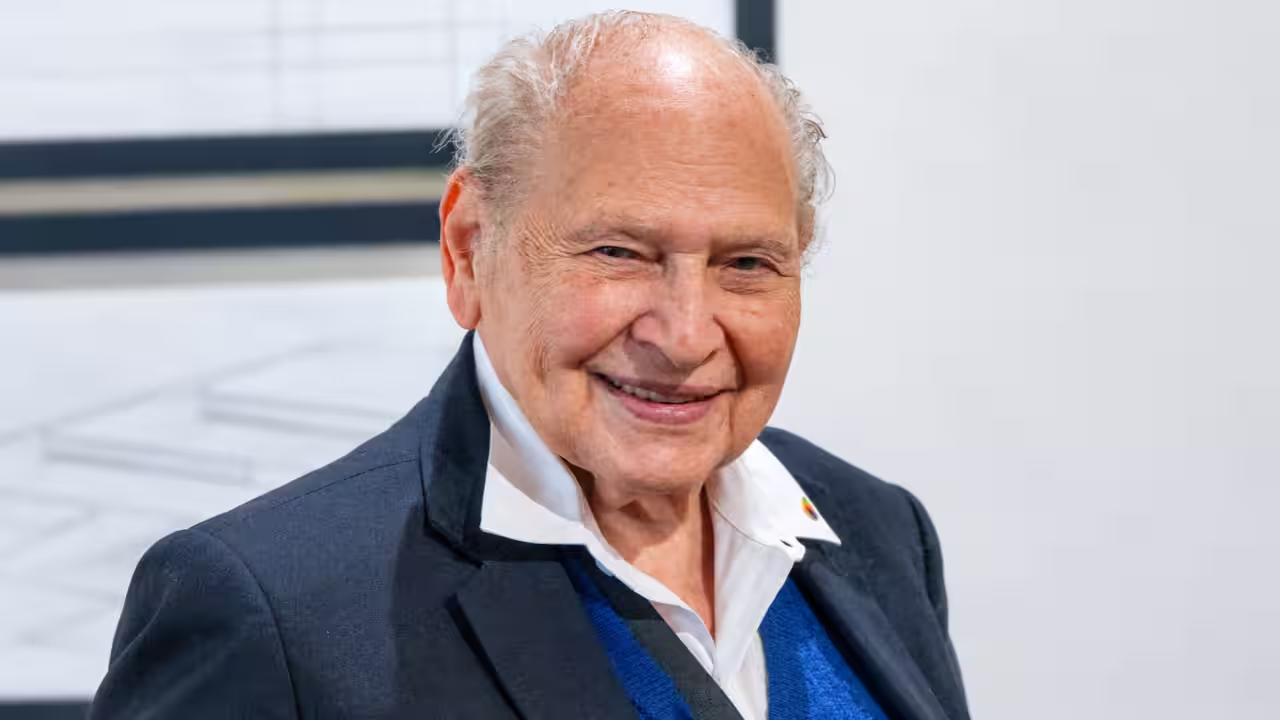
In the spring of 1976, three men signed a document that would mark the beginning of one of the world's most valuable technology companies. Two of them, Steve Jobs and Steve Wozniak, would go on to become familiar names in the history of computing. The third, Ronald Wayne, took a very different path. As reported by Fortune, just 12 days after Apple was established, the 41-year-old engineer gave up his 10% ownership in the fledgling business for $800. Half a century later, the company is worth close to $4 trillion, making that small share potentially worth hundreds of billions of dollars. Wayne, now 92, has spoken openly about the decision and why he does not consider it a mistake.The man who helped put Apple's first business agreement on paperApple's beginnings are often associated with Jobs and Wozniak, but Wayne was also part of the original arrangement. The three men signed a partnership agreement on April 1, 1976, formally setting up Apple Computer Company. Wayne had a 10% interest, while Jobs and Wozniak each held 45%. His involvement was not simply a matter of lending his name to the paperwork. Wayne prepared the original agreement and brought some business experience to a partnership between two much younger men. He had known Jobs through his work at Atari, where the two had crossed paths before Apple was formed.At the time, Wayne was 41, considerably older than Jobs and Wozniak. He had experience in engineering and business, while the other two were keen to turn their interest in computers into a commercial venture. His share reflected the part he was expected to play in the new company. That arrangement, however, lasted barely two weeks. Wayne withdrew from the partnership on April 12, 1976, surrendering his 10% interest for $800. As reported by Fortune, he later received another $1,500 in exchange for relinquishing any future claims against the company.The financial risk that pushed Wayne to leave AppleThe decision was closely connected to the financial risks facing the new business. Apple was not yet the established technology company it would eventually become. It was a young venture with limited resources, and its founders were trying to secure their first commercial orders.One particular transaction worried Wayne. Jobs had reportedly borrowed $15,000 to fulfil an order from the Byte Shop, a computer retailer interested in buying early Apple machines. Wayne was concerned about what would happen if the retailer failed to pay. The debt would still have to be settled, regardless of whether the business succeeded.In a 2017 interview with Business Insider, Wayne explained that his circumstances were different from those of his younger partners. He had a house, a car and money in the bank. Jobs and Wozniak had considerably less to lose financially, at least in terms of personal assets.Remaining in the partnership could have exposed his existing property and savings to the company's debts. He did not want to put what he already owned at risk for a venture whose commercial future was uncertain.The fear of being left behind in Apple's founding partnershipMoney was not the only consideration. Wayne believed Jobs and Wozniak had the energy and ability to take Apple forward, but he was less certain about the role he would have in that future. He later suggested that the age difference had influenced his thinking. The two younger founders were building something that could define their careers, while he feared he would gradually become a supporting figure rather than someone developing projects of his own.Wayne described his concern that he might end up spending years handling documentation and administrative responsibilities. He wanted to pursue work that gave him room to develop his own ideas rather than remain in the background of someone else's enterprise. He also expressed a similar sentiment in an interview with CNN, saying he believed that remaining with Apple could have left him extremely wealthy but without the opportunity to pursue his own ambitions. His departure was therefore tied to how he imagined his working life unfolding, not simply to a calculation about the company's immediate financial prospects.What his original Apple stake could be worth todayApple's growth has made Wayne's early decision a subject of continuing interest. The company, which began with a small founding team and a modest computer business, has grown into a technology giant with a market value approaching $4 trillion. Fortune reported, based on that valuation, an untouched 10% holding would have a theoretical value of around $400 billion. Some estimates put the potential figure lower, at approximately $360 billion, depending on the valuation used.Wayne's original ownership would almost certainly not have remained at 10% indefinitely. Apple brought in outside investors, expanded its ownership structure and eventually went public in December 1980. The interests of its original founders were diluted as the company grew and new shareholders came on board.Wayne's hypothetical fortune would therefore depend on how much of his holding he retained through those changes, as well as any shares he might have sold along the way. The frequently cited hundreds-of-billions figure is an estimate based on the original stake, not an amount he would necessarily have owned in the company's present-day structure.What life looks like for Apple's former third co-founderWayne did not go on to build a fortune comparable to those associated with Apple's other founders. He continued with his own pursuits and has spoken about living without the kind of wealth that might have come from holding on to the shares. In later interviews, he discussed relying on income from renting out part of his property and his monthly Social Security payments. He has also been candid about the difference between being financially comfortable and becoming extraordinarily wealthy.His comments suggest that he has made peace with the outcome, even while acknowledging that having more money would have made certain aspects of life easier. At 92, Wayne remains an unusual figure in Apple's history. His name appears alongside Jobs and Wozniak on the original founding agreement, a document that itself attracted considerable attention when it went under the hammer. In January 2026, the contract sold at a Christie's auction for approximately $2.4 million, according to the report, bringing renewed attention to the company's earliest days.Disclaimer: This article is based on information from publicly available reports. The Times of India has not independently verified all the details.Fearless legend or grounded realist? Rate yourself on 11 categories in the Great Indian Confidence Survey – find out in 3–6 min
Topics in this story
Gathered from external sources. Rights to this text belong to whoever originally published it.