Ten years after its 2016 peace deal, Colombia faces a return to conflict
Critics fear that a security crackdown under Abelardo de la Espriella could unravel gains made under the 2016 deal.
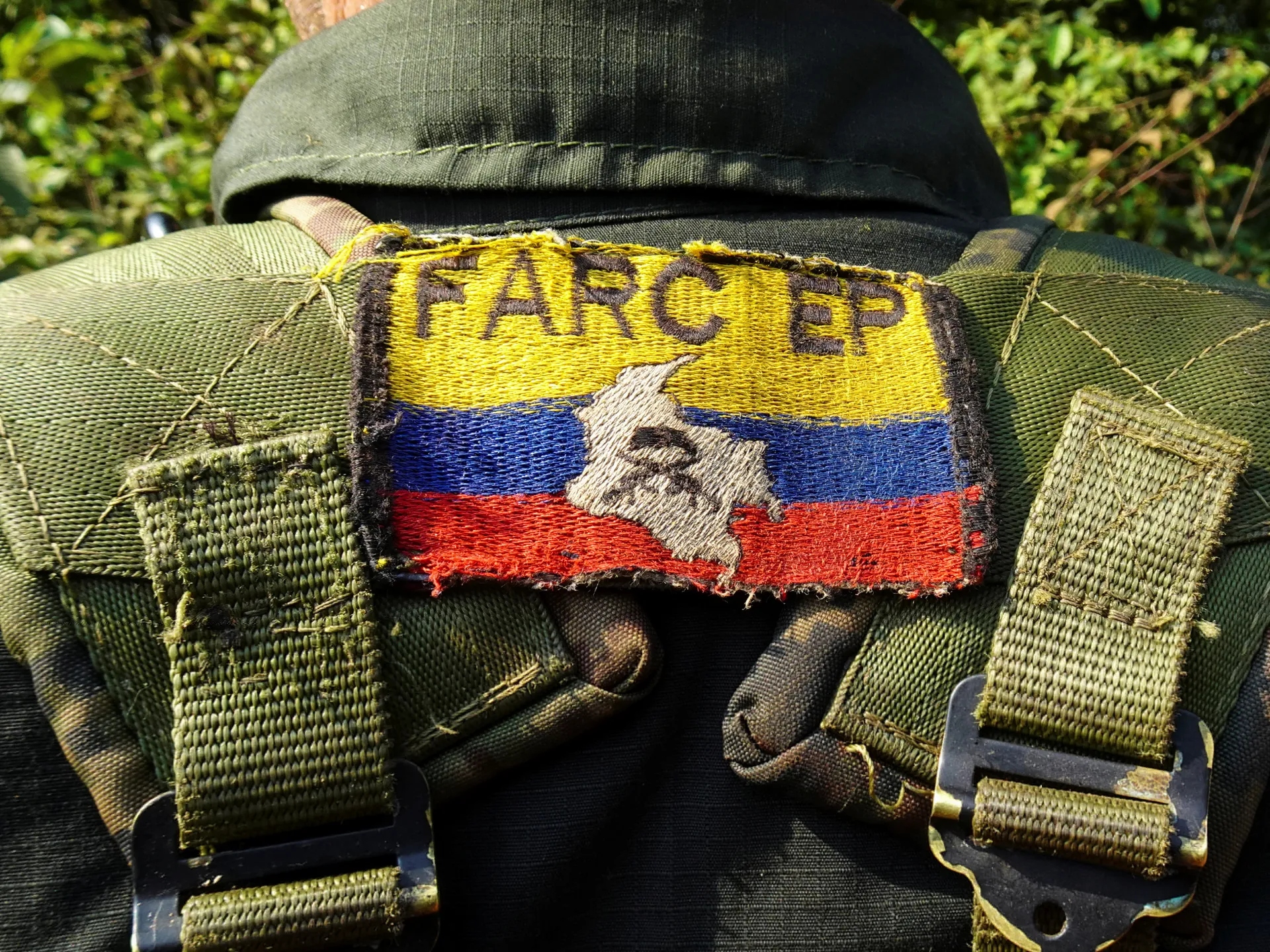
Bogota, Colombia – Ten years ago, Jorge Suarez and more than 13,000 other fighters agreed to a peace treaty with the Colombian government, paving the way for the disarmament of Latin America’s largest rebel group, the Revolutionary Armed Forces of Colombia (FARC).
“It was an agreement that I never thought would happen,” Suarez told Al Jazeera.
Born in a rebel camp, he had been fighting since the age of 15. But on November 24, 2016, an agreement signed paved the way for Suarez and other FARC members to lay down their arms.
The deal was historic. It was the culmination of more than four years of negotiations and earned Colombia's president at the time, Juan Manuel Santos, the Nobel Peace Prize for his efforts.
But Colombia's six-decade-long internal armed conflict has continued in the years since. Armed groups, new and old, have continued to clash with government forces. Illegal mining and a booming cocaine trade have fuelled the fighting.
Colombia has also turned away from negotiated solutions to the conflict.
In June, the country elected far-right President Abelardo de la Espriella, who pledged to restore security through military force rather than peace talks.
Now, on the 10th anniversary of the peace deal, those involved reflect on what went wrong, what worked, and whether the country can overcome its deep-seated divisions.
Topics in this story
Gathered from external sources. Rights to this text belong to whoever originally published it.