A powerful El Niño continues to strengthen ahead of Thanksgiving. Here’s what travelers need to know.
From wetter weather in Florida to potentially drier conditions in parts of the Caribbean, NOAA meteorologists explain what El Niño could mean for popular win...
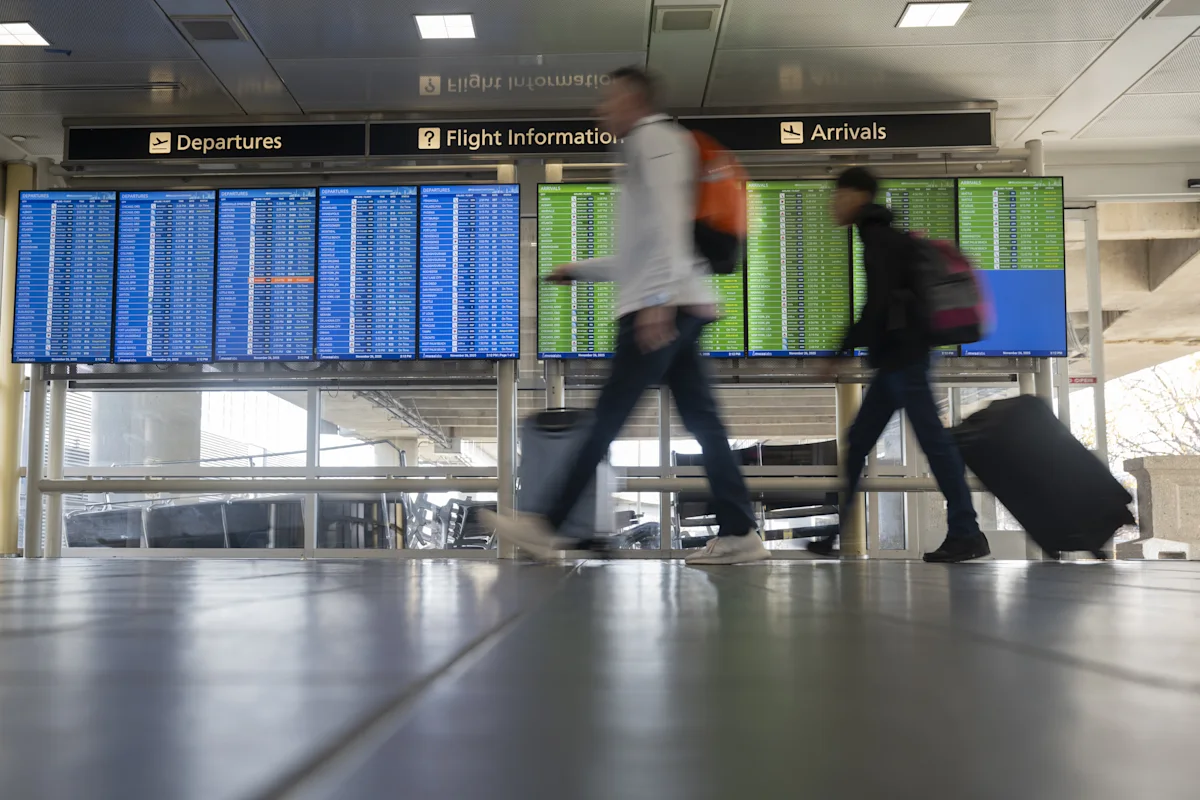
With Thanksgiving a week away and El Niño still strengthening , holiday travelers face increased odds of stormy weather in parts of the South, while the Caribbean may stay drier.
The climate pattern, which occurs when waters in the central and eastern tropical Pacific Ocean become unusually warm, can shift weather patterns across the country, potentially affecting popular winter getaways from Florida to the Caribbean.
NOAA's Climate Prediction Center said on Nov. 12 that El Niño is still strengthening, with a greater-than-79 % chance of a strong-to-very-strong event between January and March 2027. That's down from 83% in its October update, but it's still likely to produce adverse conditions, with wetter weather in the South and warmer weather in the North.
"El Niños are associated with more storminess across the southern tier of the country, and potentially more ice storms across the southern plains," Matthew Rosencrans, a meteorologist at NOAA's Weather Prediction Center, told Yahoo Travel in October.
Those conditions can significantly disrupt travel, the meteorologist said, but the effects will be far from uniform. El Niño winters are also often warmer, Rosencrans explains, which can sometimes benefit travel across the northern tier of the contiguous U.S.
Meanwhile, parts of the Caribbean may see drier weather, creating very different conditions for travelers depending on their destination.
NOAA's Climate Prediction Center outlook , released on Thursday, Nov. 19, said the strong El Niño will be the major influence on U.S. weather this winter, with wetter-than-normal conditions favored across the southern tier of the country and the Southeast. The outlook covers December through February rather than Thanksgiving week itself, but it points to a stormier backdrop for winter travel in the South.
Though slightly fewer people are expected to travel by car or plane for Thanksgiving this year, the AAA still expects 81.5 million people to travel at least 50 miles over the holiday. Bus, train and cruise travel is projected to increase.
No single storm is expected to disrupt travel nationwide before Thanksgiving, AccuWeather reports, but the most persistent wet weather will be in the Southeast, following heavy rain and flooding in Florida this week. Periods of rain and thunderstorms from the Gulf Coast into the Southeast early in the week could cause delays at major connecting hubs such as Atlanta and Charlotte, affecting travelers flying on to Florida and the Caribbean.
Return trips could be rougher, with conditions potentially becoming much stormier across much of the East right after the holiday.
Where winter travelers could feel the effects
Travelers heading to Florida this winter for a holiday getaway could face wetter-than-usual conditions, with El Niño increasing the likelihood of rainfall and severe weather across parts of the Southeast.
"For Florida, it often means a fairly robust secondary severe weather season in November and into December across the Southeast and Florida," Rosencrans says.
NOAA's outlook gives Florida, southern Georgia and the coastal Carolinas the greatest likelihood of a wetter-than-normal winter, with a greater than 70% chance of above-normal precipitation for December through February. Temperatures are expected to be near normal across parts of the Southeast, though forecasters note considerable uncertainty and say a shift in Atlantic air-pressure patterns, known as a negative North Atlantic Oscillation, could bring cooler spells.
That doesn't necessarily mean travelers need to rethink a Florida vacation, but those hoping for uninterrupted beach weather should keep an eye on the forecast.
While Florida could see a wetter winter, the Caribbean islands may see less rain, though it varies by island and time of year. Rosencrans said the Caribbean can often see drier weather during El Niño events, though the effect is strongest in summer.
The ABC islands (Aruba, Bonaire and Curaçao) are one example of where less rain is likely. Their main rainy season typically runs from October through January, with the dry season arriving later, from February through May. An El Niño suppresses that rainy season, according to the Meteorological Department of Curaçao .
While lower rainfall over the islands may sound appealing, Rosencrans says it can mean fewer thunderstorms and make days feel hotter "as there is less cloudiness and continuous sunshine."
How did El Niño affect hurricane season?
While El Niño suppressed Atlantic activity this year, the National Hurricane Center is now watching a possible late-season system off the Southeast coast this weekend, giving it a 60% chance of becoming a subtropical or tropical storm within seven days.
Lindsey Long, a meteorologist at NOAA's Weather Prediction Center, told Yahoo in October that, "in a typical year, we would expect about two additional hurricanes to develop between mid-October and Nov. 30."
The upcoming storm, which would be named Kyle, will affect the weather even if it doesn't develop further. Forecasters expect strong winds, dangerous surf and coastal flooding along parts of the Southeast and Mid-Atlantic coasts into the early part of Thanksgiving week.
Beyond this weekend's possible storm, the bigger risks for winter travelers are likely to be storms and delays rather than tropical systems.
NOAA's Climate Prediction Center expects El Niño to remain strong through the winter, peaking around the turn of the year, and to persist through spring before a shift to neutral conditions becomes more likely between April and June. The agency's next El Niño update is due on Dec. 10, with its next seasonal outlook following on Dec. 17.
Travelers heading to the South or the Caribbean may want to consider flexible booking options and check their travel insurance to see which weather-related disruptions are covered, including delays and cancellations caused by winter storms.
Topics in this story
Gathered from external sources. Rights to this text belong to whoever originally published it.