Yindjibarndi native title payout: Fortescue's A$150.3 million award faces three appeals
Native title compensation in Western Australia reached a record level when the Federal Court ordered Fortescue to pay the Yindjibarndi people A$150.3
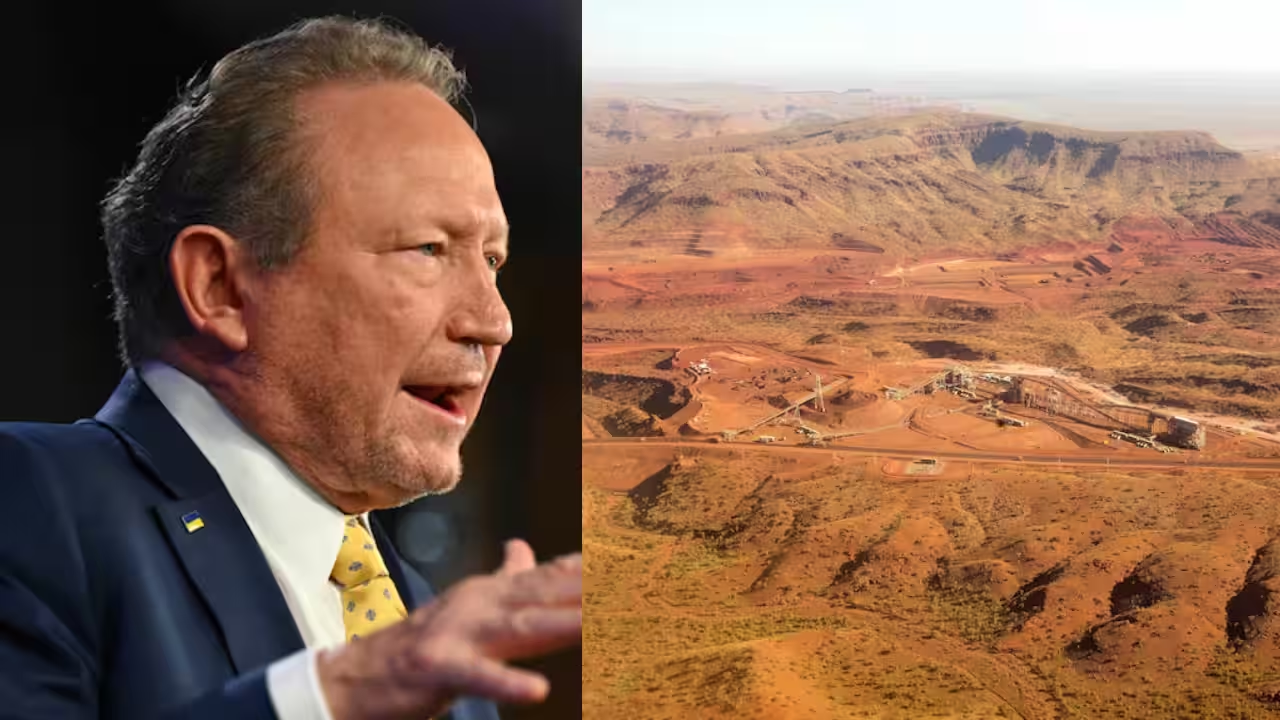
Native title compensation in Western Australia reached a record level when the Federal Court ordered Fortescue to pay the Yindjibarndi people A$150.3 million for mining their Pilbara country without agreement. The award, the largest in Australian history, covers cultural and economic loss at the Solomon Hub iron ore operation, which began production in 2013 on land where the Yindjibarndi hold exclusive native title. The Yindjibarndi Ngurra Aboriginal Corporation had originally sought A$1.8 billion, and the gap between that figure and the final orders has left traditional owners, lawyers and Indigenous leaders questioning how economic loss is valued under current law.Court awards A$150 million for cultural loss after 124 spiritually significant sites destroyedJustice Stephen Burley's judgment rested largely on cultural loss, according to ABC, which reported that the A$150 million award reflects the destruction of at least 124 spiritually significant sites. Solomon Hub covers around 135 square kilometres of Yindjibarndi land. Final orders made on 1 July 2026 added A$136,757 for economic loss and A$217,152 in compound interest on that economic amount, the Yindjibarndi Ngurra Aboriginal Corporation said in a media release.The case was only the third native title compensation claim the Federal Court has decided. It was preceded by a 2019 payout of A$2.5 million to the Ngaliwurru and Nungali peoples and a A$54 million award in February 2026, as per reports.Why the economic loss award fell far short of the claim; freehold land value and Timber CreekThe Yindjibarndi Ngurra Aboriginal Corporation launched its claim in 2022, seeking A$1 billion for cultural damage, A$678 million for economic loss, A$34.85 million for the destruction of sites and A$112.13 million for social disharmony, The Guardian reported. The economic award came to a small fraction of what was sought because the court valued the loss using freehold land value, following the 2019 High Court decision at Timber Creek in the Northern Territory, the case behind the earlier payout to the Ngaliwurru and Nungali peoples.The corporation had argued for a benchmark based on the royalties that mining companies pay under native title agreements in the region. Chief executive Michael Woodley told the media in a statement that the headline amount was unsatisfactory given what has been lost. The mine has generated an estimated A$80 billion in revenue since operations began, yet it was approved by the Western Australian government without the permission of the traditional owners.Fortescue and the Western Australian government argued for far lower compensation figuresFortescue sought to cap compensation at about A$8 million, while the Western Australian government argued that between A$5 million and A$10 million would be appropriate. After the judgment, the company said it would review the court's reasons once they were available.Executive chair Andrew Forrest told Guardian Australia that Fortescue has always accepted fair and proper compensation for the Yindjibarndi people and pays traditional owners across the Pilbara under seven native title agreements. "We will pay the compensation tomorrow if given the opportunity," he said.Woodley told the media he was disappointed that the Western Australian government sided with the mining company. He said the state could have stayed neutral on the amount and left the other parties to argue it out in court.Yindjibarndi people lodge appeal after unanimous vote, targeting cultural and economic rulingsNative title holders voted unanimously to appeal at a large meeting in Roebourne on 30 July 2026, the corporation said in the same release. The meeting lasted several hours, and legal representatives advised members on the available appeal pathways before every attendee, in person and online, voted in favour. Woodley told the media in the release that members had decided "the only option was to keep fighting".The corporation lodged its appeal in late August, ABC reported. Woodley had told the media that its lawyers would challenge both the cultural loss and economic loss rulings. A successful appeal could push the compensation figure closer to the original claim, using what the corporation describes as an industry-standard royalty rate. The corporation also intends to renew its argument that Fortescue systematically divided the Yindjibarndi people by funding a breakaway native title group and harmed their ability to practise traditional ceremonies.The release also noted that Fortescue has mined Yindjibarndi land since 2012 without an Indigenous Land Use Agreement or any other agreement with the corporation, which is the registered native title body corporate. The mine is expected to operate until 2045. Under current legislation, Fortescue does not have to consult the corporation or obtain its agreement while its activities stay within existing mining leases.Western Australian government and Fortescue file their own appeals as legal fight widensThe Western Australian government lodged its own appeal in quick succession. Documents filed with the Federal Court show that it follows similar grounds to the state's original case. It disputes nearly every dimension of Justice Burley's judgment and calls the cultural loss award "manifestly excessive". The State Solicitor's office wrote that the judge failed to give adequate reasons for a sum nearly three times the February award to Northern Territory traditional owners. Attorney-General Tony Buti told the media at the time that the appeal sought clarity on the law, although one critic accused the government of trying to appear business friendly.Fortescue then became the third party to appeal, filing a cross-appeal. A company spokesperson told ABC that it restates positions put forward at trial and seeks clarity on aspects of the judgment that the company believes are inconsistent with existing legal principles and precedent. The spokesperson said Fortescue felt forced to respond to the other two appeals to protect its legal position. The spokesperson added that paying the full award within 24 hours, so the money reached the Yindjibarndi community quickly, had not ended the matter.Woodley told the media in a statement that both appeals were disappointing, even if consistent with the positions held during the case. He said the Yindjibarndi people expect any company working on their country to respect Yindjibarndi laws. A date for the appeals to be heard has not been set.Native title lawyers and commentators call for reform as the ruling sets a precedentNational Native Title Council chair Kado Muir told the media in May that the compensation formula is flawed, saying the economic figure "wouldn't buy you a front porch". Native title lawyer Greg McIntyre, who worked on the Mabo case, told the same outlet that the decision is a watershed likely to be followed in Western Australia, Queensland and other mining regions. He said it shows native title carries a value tied to spiritual connection, not just real estate.Resources journalist Paul Cleary, author of the book Title Fight, told the broadcaster that the corporation should appeal and that legislation needs reform. He argued the state should be accountable for approving mining licences where companies have no agreement with native title holders. Under the Western Australian Mining Act, compensation liability passes to the tenement holder once the state approves a tenement. Justice Burley affirmed that position, leaving the state government without financial consequence.You use AI every day. Now get your AI Quotient. Take the AIQ test.
Topics in this story
Gathered from external sources. Rights to this text belong to whoever originally published it.