In 1973, a North Dakota couple bought a 4,800-acre ranch getting just 10 inches of rain a year; 53 years later, beavers are back and 270 acres are being restored to native grass
US News: In one of North Dakota’s driest corners, where annual rainfall averages just 10 inches, John Lee and Ellen Njos have spent more than five decades show.
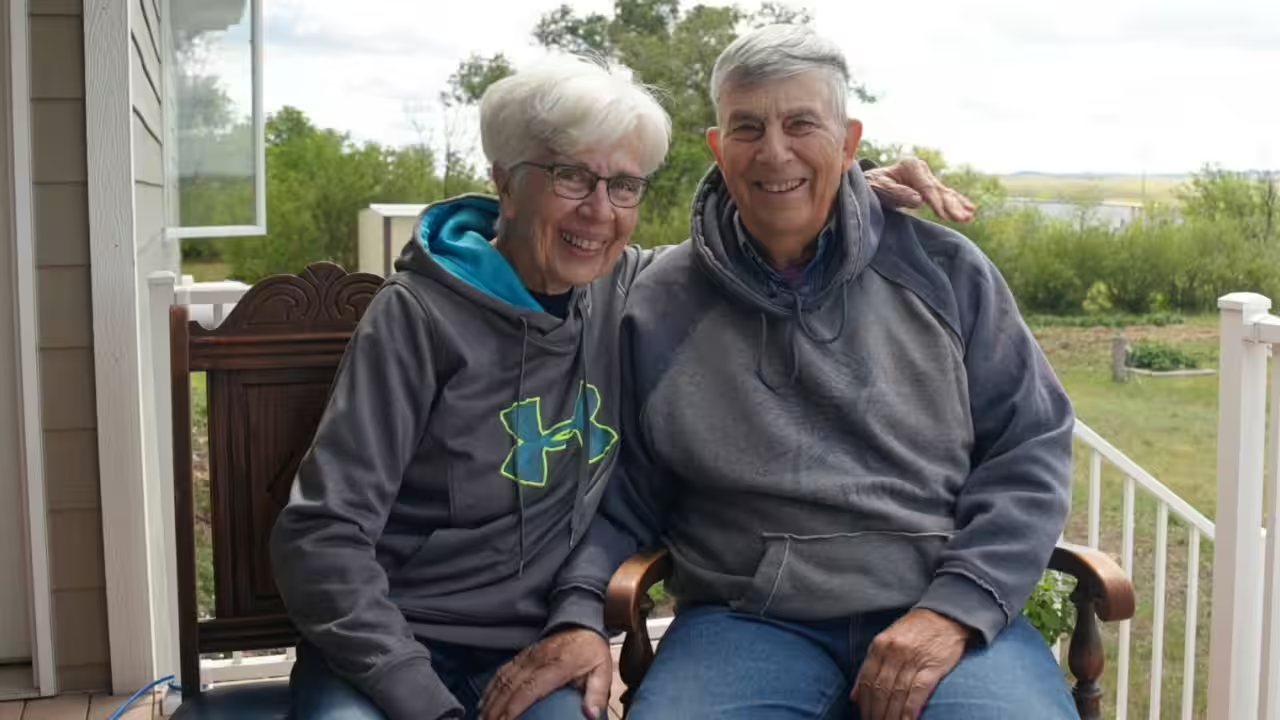
In one of North Dakota’s driest corners, where annual rainfall averages just 10 inches, John Lee and Ellen Njos have spent more than five decades showing that working land and conservation can go forward together. Since buying the 4,800-acre Coyote Creek Ranch near Rhame in Bowman County in 1973, the couple has gradually changed how they graze, water and manage their land. The family has now been awarded the 2026 North Dakota Leopold Conservation Award for their efforts, which recognize landowners who make exceptional contributions to soil health, water quality and wildlife habitat. The Njoses will receive the $10,000 in December, states Morning AgClips report. Survival on the ranch has often been a matter of doing something out of the ordinary. John Lee’s philosophy of conservation was taking shape when he joined his local soil conservation district board in 1986. So the district sent him to a holistic grazing course taught by Allan Savory. It opened his eyes to new ways of using fences and moving livestock to encourage grass growth and help soil absorb more water. He took those lessons home and began experimenting. One of the first decisions was to install cross-fencing, despite the skepticism of others in the ranching community. The results were impressive, showing that well managed grazing could improve both the landscape and the productivity of the ranch. The experience formed the bedrock for decades of experimentation and education.Water management restores wildlifeIn a world in which water is scarce, controlling its movement and availability has been at the heart of the Njoses’ conservation work. The family developed water infrastructure, including buried pipelines, solar wells and strategically placed dams. The projects helped to spread livestock more evenly and reduced pressure on sensitive riparian areas and improved water quality. They also created an unexpected ecological benefit: beavers returned to stretches of Coyote Creek. John Lee has maintained careful rainfall records for the two parcels of the ranch for 35 years, providing a long-term record of conditions in one of the most challenging environments in the region.Building soil from the ground upThe family’s conservation work isn’t just about grazing. Decades ago, John Lee planted strips of tall wheatgrass across fields to help fight wind erosion. More recently, the family adopted bale grazing as a strategy to add organic matter and carbon to nutrient-poor soils, and to reduce machinery use, fuel consumption and emissions. Cover crops are also planted on degraded cropland. The different plantings help rebuild soil structure, support microbial activity, reduce erosion, and provide additional forage for cattle and wildlife.Making habitat for birdsThe Njoses have also incorporated wildlife conservation into their working ranch approach. They have worked with the Bird Conservancy of the Rockies, Ducks Unlimited, North Dakota Game & Fish and Audubon on bird inventories, migration research and grassland bird capture and tagging. The family is restoring 270 acres with a variety of native grasses and forbs through Audubon’s Conservation Forage Program. Their participation in the third-party verified Bird Friendly Beef program suggests that their grazing practices are intended to benefit grassland bird populations. The family has also been instrumental in assembling landowners in sage grouse management to develop workable conservation strategies benefiting wildlife and ranching.A legacy of knowledge sharingToday John Lee and Ellen farm with their daughter Angie and her husband, Luke Rodakowski. Their son Chad, who runs a nearby ranch, takes a similar approach to conservation. John Lee's influence reaches well beyond his own acreage. He has worked with other ranchers over the years, helped start the North Dakota Grazing Lands Coalition and been involved in regional and national conservation efforts. The Leopold Conservation Award is given by the Sand County Foundation and American Farmland Trust in conjunction with North Dakota agricultural and conservation groups to honor landowners whose practices reflect a long-term commitment to land health. At Coyote Creek Ranch, that commitment has been measured not just in acres or infrastructure, but in healthier grass, improved water management, returning wildlife, and a willingness to share hard-earned lessons with the next generation of land stewards.Catch the latest World News and Live updates. Download the TOI app.
Topics in this story
Gathered from external sources. Rights to this text belong to whoever originally published it.