Will King Charles apologise for slavery? Antigua speech puts Britain's past in spotlight
King Charles III is set to address the lasting pain caused by the transatlantic slave trade during a speech to Commonwealth leaders in Antigua on Tuesday.
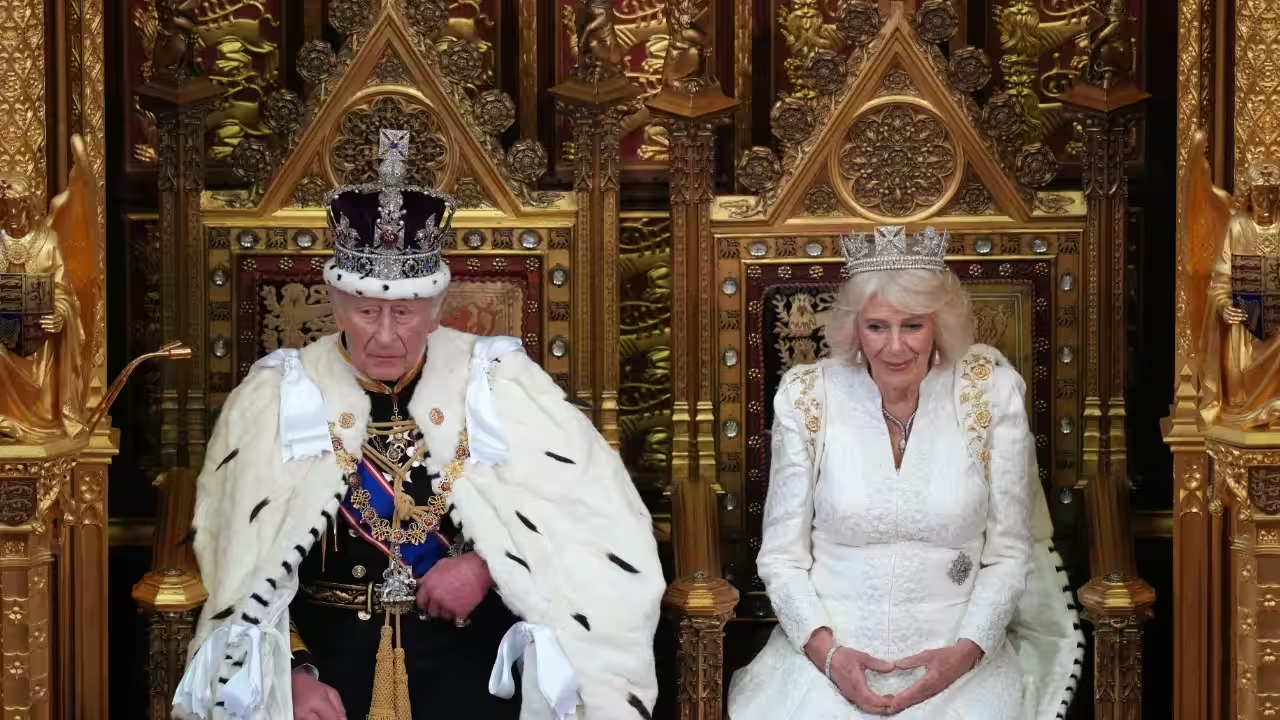
King Charles III is set to address the lasting pain caused by the transatlantic slave trade during a speech to Commonwealth leaders in Antigua on Tuesday. His visit and address come as fresh calls grow for Britain to formally apologise for its role in slavery.Buckingham Palace said the King would speak with "unflinching honesty" and "sincere sorrow", although it stopped short of indicating whether he would offer an apology on behalf of the UK.The speech will come during the final leg of the King's nine-day Caribbean tour, at the Commonwealth Heads of Government Meeting (CHOGM). His remarks come amid a shift in the government's position, with Prime Minister Andy Burnham saying he was "open" to the possibility of Britain formally apologising for its role in slavery.Burnham made the comments in an opinion piece for The Guardian on Friday night, describing the transatlantic slave trade as a "brutal and barbaric violation" and saying Britain "must face up to the past". It is understood Buckingham Palace was informed of his remarks in advance. However, the King has not changed his speech in response to the prime minister's comments.A Palace spokesperson said the King "will not shy away from confronting the most shameful aspects of the past during this visit"."You may therefore expect him to address them in his speech with unflinching honesty, sincere sorrow, and respect for the wider discussions that will be taking place between relevant governments on this issue at CHOGM and beyond."The spokesperson also made clear that the King would not comment on the government's position on a formal apology. Royal sources stressed that any decision to apologise or consider reparations rested with the government, not the Palace.The UK has never formally apologised for its role in slavery or offered reparations. Burnham has previously maintained the position of his predecessors and stopped short of supporting compensation payments.However, his latest remarks have drawn a sharp response from Conservative Party leader Kemi Badenoch. She described "endless talk about apologies" as a "distraction" from addressing present-day problems.Speaking to BBC Sunday with Laura Kuenssberg, Badenoch said: "The transatlantic slave trade happened centuries ago. It is time for the Commonwealth to start looking forwards, not endlessly backwards."The King's Caribbean tour has brought Britain's colonial past and its legacy back into focus. During his first stop in the Bahamas, he spoke of the "suffering of the past". In Guyana, he visited the site of the 1823 Demerara Slave Rebellion, where hundreds of enslaved people were killed.The King also visited Independence Park, which marks the site of public executions following the rebellion. Buckingham Palace described the visit as an opportunity for him to learn more about the history of slavery and resistance in the region.The engagements have also focused on environmental issues, opportunities for young people and trade ties with Britain. Queen Camilla, who is accompanying the King in Antigua, attended a church service with him on Sunday ahead of celebrations marking the island's Independence Day.A senior royal aide said the King was accustomed to navigating difficult diplomatic issues during overseas visits."His Majesty is well practised on the diplomatic tightrope," the aide said. "He is up for challenging visits with complex issues and relationships in play. He sees it as his role to 'bat for Britain', the Realms and wider Commonwealth."The King has also been keen to strengthen the Commonwealth, which brings together 56 countries. Buckingham Palace said he viewed the organisation as an important platform for cooperation at a time when institutions were under strain across the world.You use AI every day. Now get your AI Quotient. Take the AIQ test.
Topics in this story
Gathered from external sources. Rights to this text belong to whoever originally published it.