How the ICC can be saved
Hoping for ‘dialogue’ with the US over its sanctions on the ICC is meaningless. Action is needed to protect the court.
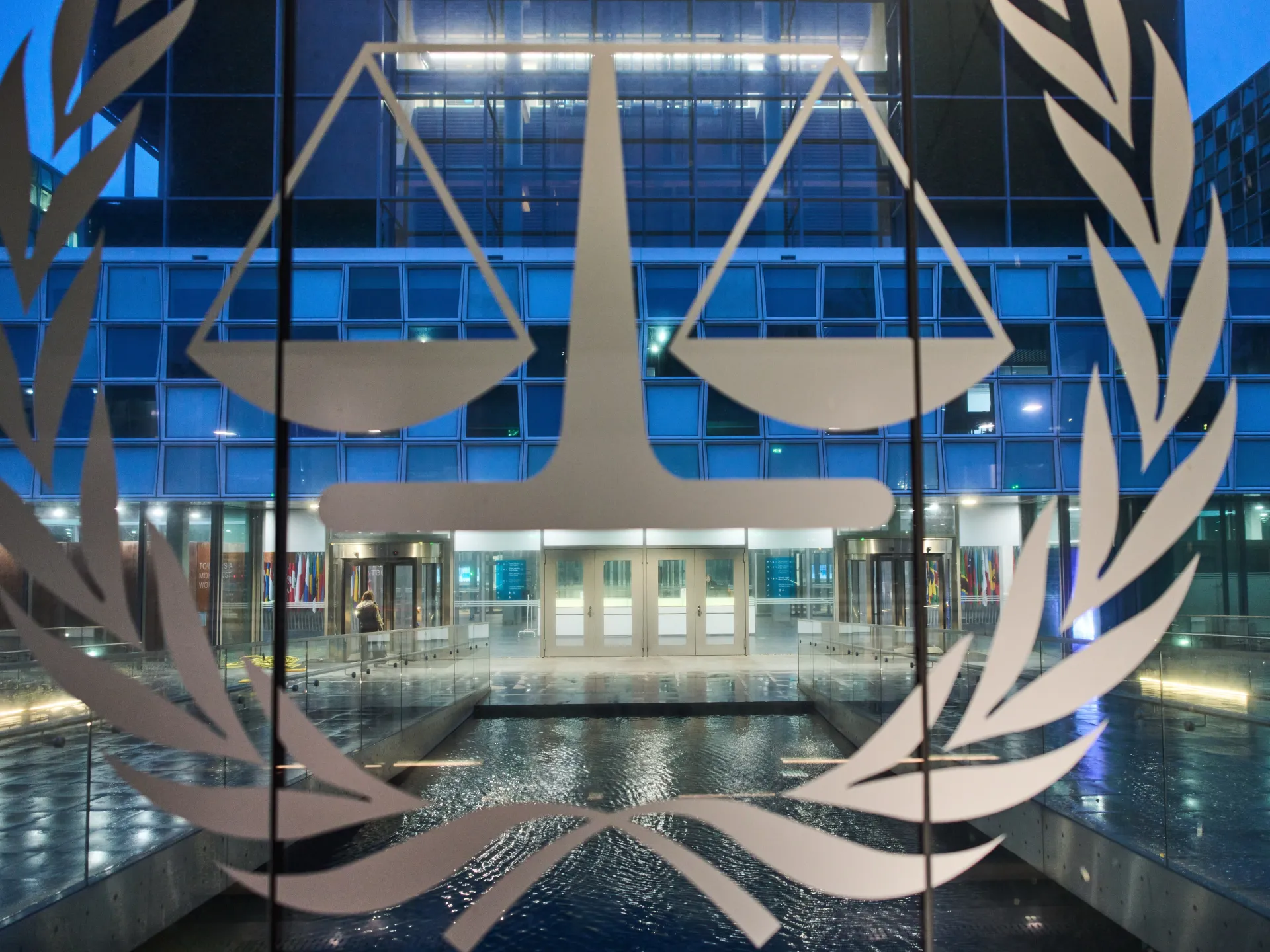
The sanctions the United States has imposed on the International Criminal Court threaten to degrade its capacity to function, leaving it to die a slow institutional death. Its continued operation as an international organisation, let alone a court of law, would become impossible.
The international community has responded with weak statements of condemnation. States Parties have had more than 20 months since US President Donald Trump came to power to prepare for this move. Efforts should have been made to strengthen the court’s institutional resilience.
Still, it is not too late to act. The grace period offered by the US should be used not to engage in fruitless negotiations, but to undertake immediate measures to protect the court.
The sanctions block the ICC’s assets and other property interests in the US or in the possession or control of US persons. Subject to exemptions and licences issued by the US Department of the Treasury, US individuals and companies are prohibited from doing business with the court.
US banks, insurers, IT firms, and other businesses cannot supply the ICC with goods or services or receive payments from it without risking penalties. Many non-US businesses will overcomply and withhold their services out of fear of being sanctioned themselves.
Cutting the court off from suppliers and service providers could paralyse its investigative and prosecutorial activities across all situations.
The sanctions, however, come with a “grace period” of 180 days to allow for maintaining or winding down the ICC operations. This covers States Parties’ payments to the ICC, salary payments, health insurance, and medical services for its employees or contractors, and payments for rent, utilities, and routine services. Separate licences permit the provision of certain telecommunication, cloud and software services, the processing of ICC pension payments, and services needed for the benefit of specified ICC detainees.
Washington has presented the “grace period” as an opportunity for States Parties “to demonstrate meaningful progress on diplomatic and legal resolutions” addressing US objections. Yet, in essence, it is an instrument of overt political coercion designed to force States Parties into compliance.
After the sanctions announcement, numerous States Parties once again reaffirmed their support for the court and criticised the US. At this point, however, the ICC cannot be defended with statements alone.
Performative support rings hollow unless accompanied by a coherent, coordinated strategy for countering US coercion and protecting the ICC’s independence. Declarations will not prevent banks from closing ICC accounts, insurers from withdrawing coverage, tech companies from discontinuing their services, or other businesses from abandoning the court out of fear of US retaliation.
The European Union has repeatedly affirmed that the ICC is a cornerstone of international justice and that its independence from external pressure must be protected. On October 10, EU High Representative Kaja Kallas reiterated this position, calling attacks or threats against the court, its officials, and those cooperating with it “not acceptable”.
Beyond these statements, however, the EU has remained passive, seemingly out of fear of further antagonising Trump and triggering US tariffs.
It is troubling that some States Parties and the EU have welcomed the humiliating “grace period” as creating “scope for dialogue” and “space for diplomacy” with Washington. What meaningful compromise is possible when the US objective, stated in unequivocal terms, is to destroy the court?
Over the past 20 months, the US has steadily escalated its war on the ICC. For States Parties and the EU to expect a different outcome now is an exercise in self-deception that betrays, in equal measure, obsequious deference to Washington and a lack of self-respect. Appeasing bullies only emboldens them.
Dialogue under such coercive conditions opens the door to pressure on the ICC to retreat from its mandate in Palestine in exchange for sanctions relief. Accepting US demands, in particular sacrificing the Palestine investigation to appease the rogue regime in Washington, would destroy the court as an independent and impartial institution.
It would reinforce the perception that international justice operates selectively, depending on the political power of those within its purview. Betraying the ICC’s mandate and victims’ pursuit of justice would mean an intolerable loss of legitimacy for the court and discredit the very idea that no one is above the law.
Meaningful action is long overdue, but it is not too late for it. States Parties must now make a principled choice and stick to it. They must defend the ICC and secure its ability to function – not pursue fruitless dialogue with a hostile non-party state, beg it for mercy, and offer concessions neither they nor the court can afford.
They must publicly commit to increasing the ICC’s budget and provide it with the resources and facilities it needs to withstand political and economic pressure. They must adopt effective legal measures, blocking legislation and safeguards against financial de-risking, to shield the court, its officials, and those cooperating with it from the extraterritorial effects of US sanctions. These protections must extend equally to Palestinian civil society organisations, targeted for supporting the court’s investigations.
The EU should immediately activate its Blocking Statute to prohibit EU operators from complying with US sanctions. Although no silver bullet, this measure would go some way towards shielding the ICC. A growing number of Member States and MEPs have called on the European Commission to extend this legislation to the anti-ICC sanctions and ensure that protections would be in place in the event of court-wide sanctions. This step can no longer be postponed.
In parallel, States Parties must urgently finalise arrangements for alternative banking, payment and digital infrastructure to ensure the court’s uninterrupted access to essential services. The measures must form a coordinated, structural response, going beyond declarations of solidarity and temporary fixes.
If the international community stands by as the US dismantles the ICC, the ability of any international court — or even any national court — to operate without fear or favour will become impossible.
The views expressed in this article are the authors’ own and do not necessarily reflect Al Jazeera’s editorial stance.
Topics in this story
Gathered from external sources. Rights to this text belong to whoever originally published it.