This is how to use a neti pot the right way, according to ear, nose and throat doctors
Ear, nose and throat doctors explain whether neti pots are safe, how to use and clean one, and who should avoid them. Plus, shop highly-rated neti pots for cold season.
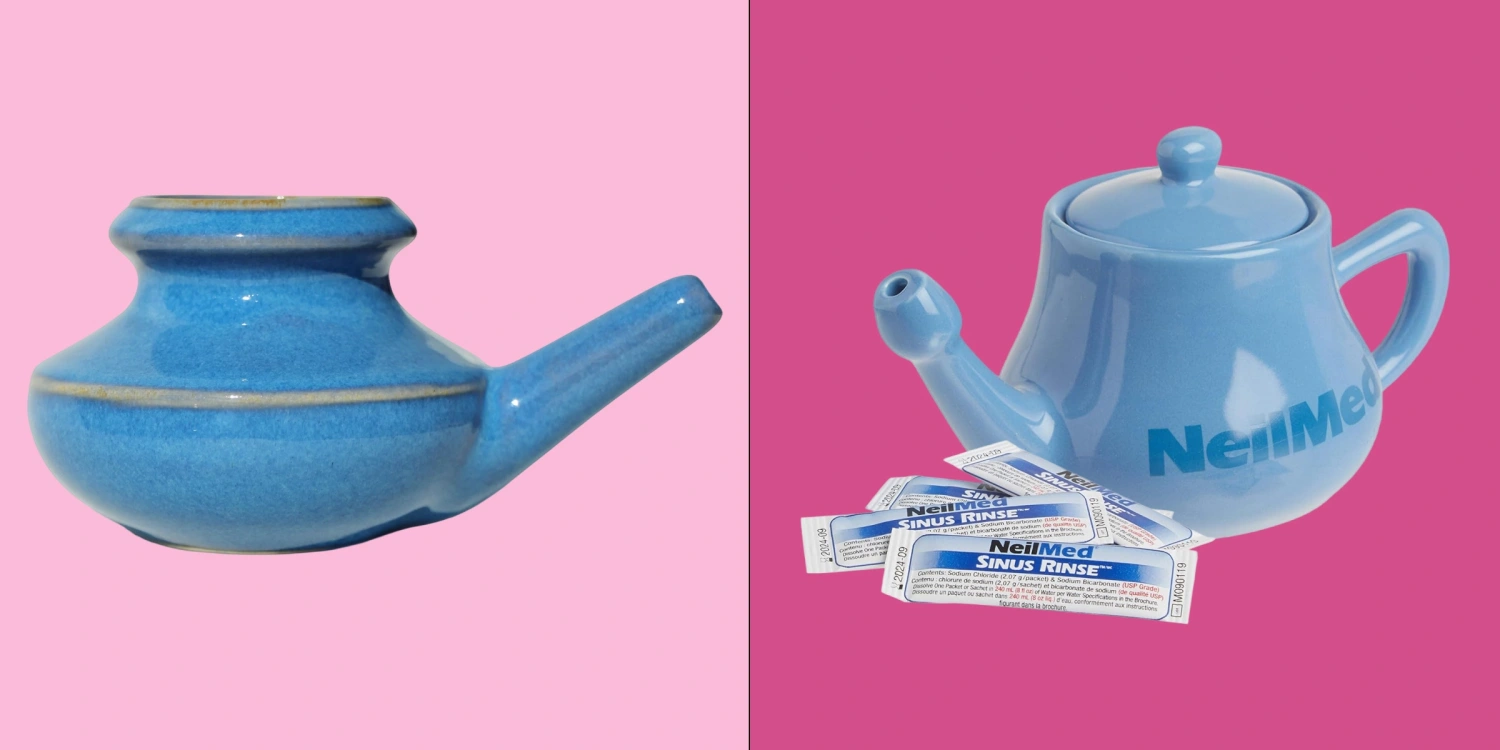
With cold and flu season here, you may be looking for ways to ease a stuffy nose without reaching for medication. Neti pots, the small teapot-shaped devices that rinse your nasal passages with a saline solution, are a popular option. They can help flush out mucus and irritants, but if you’ve never used one, pouring water into one nostril and out the other can feel odd or even a little intimidating. To find out whether neti pots are safe for everyone and how to use one correctly, I asked two ear, nose and throat (ENT) doctors to walk me through it. Below, they explain what to know before you start and the steps to follow for a comfortable rinse. I also rounded up highly-rated neti pots to shop if you want to add one to your cold-season routine. Are neti pots safe to use? “A neti pot is a container [typically] shaped like a small teapot, used to flush out the nose and sinuses,” says Dr. Ryan Salvador, an ENT surgeon at Sinus and Snoring Specialists in Austin. If you’re nervous about trying one, the experts say there’s no need to be. “Neti pots are safe and effective when used correctly,” says Dr. Madeleine Herman, an ENT physician and president of the Sinus Center and ENT Specialists of Houston. “They help rinse away thick mucus, allergens and other debris from the nose and can provide relief from congestion associated with colds, allergies and sinus problems.” That said, there’s one rule you should never skip. “The quality of your water is the biggest safety concern,” says Herman. “Never use straight tap water in a neti pot. Use distilled or sterile water, or tap water that has been boiled and then cooled. This is important because organisms that may be harmless when swallowed can cause serious infections if they enter the nose.” The best neti pots in 2026 Before you can use a neti pot, you need one. To put together a list of the best ones, I relied on guidance from experts on what to look for when shopping. Based on what they said, I sourced highly-rated options that have at least a four-star average rating from thousands of reviews. Just note: Neti pots should never be used with water straight from the tap, and you’ll need some sort of saline solution — almost all of the picks below come with saline packets. Developed by a physician, this neti pot has a soft tip that creates a gentle seal against your nostril for a more comfortable rinse. It comes with 30 premixed saline packets, so you don’t have to measure salt yourself. The clear, BPA-free plastic helps you easily see when it’s clean, and it’s top-rack dishwasher safe, which makes cleanup simple. I’ve been using this neti pot for a few years and find it is easy to use, comfortable and small enough that it doesn’t take up much space in my medicine cabinet. If you’d rather not use plastic, this porcelain neti pot is a sturdy, classic option built to last. A lid keeps the solution from spilling (though some shoppers say it leaks a bit), and a small hole on top lets you control the flow as you pour. It includes 50 premixed saline packets, and you can use two at once for a stronger rinse when you’re especially congested. Some shoppers do note that water comes out of the lid if you’re not careful when you tip the pot up to use it. This BPA-free, bottle-style rinse is an easy alternative to a traditional neti pot. Instead of tilting and pouring, you flip it upside down and press a button to start a gentle, steady stream, no squeezing required. It holds 300 milliliters, comes with 30 saline packets and includes a sticker thermometer to help you check that the water isn’t too hot. If you want a more hands-off rinse, try Navage. It’s a battery-powered device that uses gentle suction to pull saline through your nose at the touch of a button. It comes with 30 pre-measured saline pods, which means no measuring or mixing on your own. Just know it only works with Navage’s own pods, so you’ll need to keep buying proprietary refills. This ceramic pot is pretty enough to leave out on your bathroom counter. Each is hand-glazed with lead-free, food-grade glazes and comes in a range of colors. It holds 10 ounces and is dishwasher safe for easy cleaning. It also makes a thoughtful gift. It doesn’t come with saline though, so that’s something you’ll have to purchase separately. These packets make nasal irrigation simple: just mix one packet with 8 ounces of distilled or boiled water. Each box holds 100 premixed packets of sodium chloride and sodium bicarbonate that help you create a saline solution to use in your neti pot. NBC Selected senior editor Shalwah Evans buys these for her neti pot after her doctor recommended them. “Depending on how often you rinse, this pack can last a really long time,” she says. “I feel like I haven’t had tore-up in forever.” How to use a neti pot Using a neti pot for the first time can feel awkward, but the process is simple once you know the steps. Herman outlines how to use one safely below. Wash your hands first. Start with clean hands to avoid introducing germs to the device or your nose.Use the right water. Fill the neti pot with distilled, room temperature water, sterile water, or tap water that has been properly boiled and then cooled. Most neti pots on the market have a fill line to help prevent you from over-filling, if yours doesn’t, you should read the directions to determine how much water to add. Mix in the saline. Add the salt packet that comes with your neti pot to the water to create a safe-to-use saline solution. According to experts, if you don’t have ready made saline, you can mix together 1 cup of water with one quarter teaspoon of non-iodized salt (like kosher or canning salt).Get into position. Lean over the sink and tilt your head to the side.Rinse gently. Let the saline solution flow gently into one nostril and out the other. How the solution flows will depend on the device you are using. If your neti pot resembles a tea pot, you’ll need to tip it back to let the water pour out the spout. If you’re using a squeeze bottle, you can gently apply pressure. Or, if you are using an electric model, there should be a button for you to push.Clean up afterward. Wash the device and let it dry completely after each use. Note: If your nose is completely blocked or the process is painful, don’t try to force the water through. Stop and consult with your doctor about other solutions to relieve congestion. How to shop for a neti pot Many neti pots look similar at first glance, but a few details make a big difference in how comfortable and easy one is to use. Design also comes down to personal preference. The features below can help you figure out what works best for you. Material that’s easy to clean. Neti pots mostly come in ceramic and BPA-free plastic. Ceramic lasts longer and holds up to washing, while plastic is lighter and tends to be less expensive. Whatever you choose, make sure you can clean every surface, since you’ll need to wash and dry the pot thoroughly after each use.A comfortable, well-shaped spout. The tip should be smooth and tapered so it fits snugly against your nostril without going in too far. A good seal keeps the saline flowing into your nose rather than dripping down your face, and a gentle, rounded tip is more comfortable for sensitive noses.The right capacity. Most adults do best with a pot that holds about 8 ounces, enough to rinse both nostrils in one fill, according to experts. Many kits come with premixed saline packets, which take the guesswork out of measuring. Just remember to mix them with distilled, sterile or previously boiled and cooled water, never water straight from the tap. Is there anyone who should not use a neti pot? Neti pots aren’t for everyone, and Salvador says a few groups should avoid them or check with a doctor first. People who’ve recently had ear or sinus surgery, or neurosurgical procedures performed through the ears or sinuses should skip them since the rinse can disrupt tissue healing and raise the risk of infection. He also says those with a history of ear infections may develop fluid behind the ears from using a neti pot. Finally, Salvador says people with weakened immune systems face a higher risk of serious infection from improperly prepared water or a neti pot that hasn’t been cleaned well. Want more from NBC Selected? Sign up for our newsletter, The Selection, and shop smarter. Meet our ENTs At NBC Selected, we work with experts with specialized knowledge and authority based on relevant training and/or experience. We also ensure all expert advice and recommendations are made independently and without undisclosed financial conflicts of interest. Dr. Madeleine Herman is an ENT physician and president of the Sinus Center and ENT Specialists of Houston. Dr. Ryan Salvador is an ENT Surgeon at Sinus and Snoring Specialists in Austin Why trust NBC Selected? I am a commerce editor at NBC Selected and a journalist who regularly covers wellness, beauty, home and lifestyle. I have written about snow boots with arch support, the best bath towels on Amazon and more. For this story, I interviewed two ENTs about how to use a neti pot and how to find the best one for your needs. Catch up on NBC Selected’s in-depth coverage of tech and tools, wellness and more, and follow us on Facebook, Instagram, X and TikTok to stay up to date.
Topics in this story
Gathered from external sources. Rights to this text belong to whoever originally published it.