In 1989, Exxon Valdez spilled 11 million gallons off Alaska; 15 of 22 AT1 killer whales disappeared, and 37 years later, just seven remain
In 1989, the Exxon Valdez oil spill off Alaska led to the decline of the AT1 killer whale population, from 22 to just 7 individuals by 2019, revealing long-term ecological consequences and the ongoing struggle for marine mammal recovery.
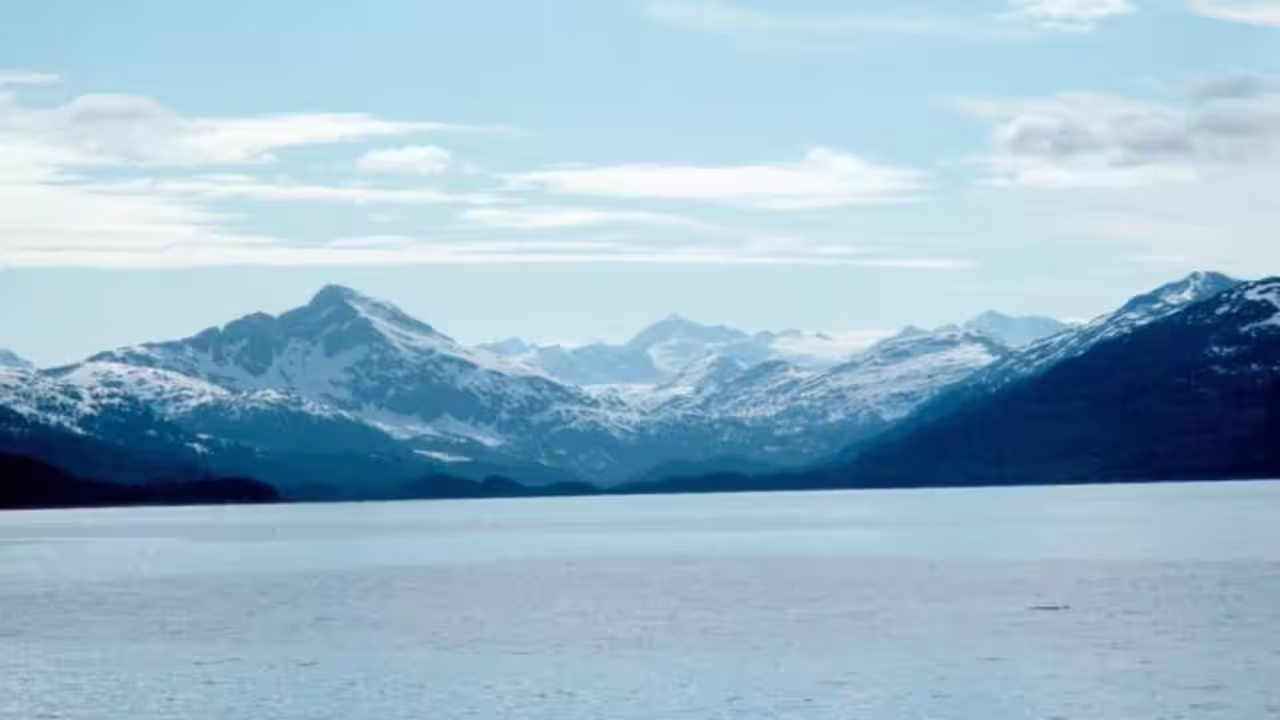
Prince William Sound, on Alaska's southern coast, is a maze of fjords, islands and glacier-fed bays where harbor seals rest on shoreline rocks and floating ice. However, the mammal-eating orcas are called transients and biologists track individuals by the shapes and patterns on their dorsal fins and the white saddle patches behind them. Photographs taken during summer seasons produced catalogues detailed enough for scientists to determine which whales were alive in a given year.The small group of such transients, called AT1 by scientists, stays almost all the time in the Sound or in the adjacent Kenai Fjords. Because the group rarely leaves the region, most whales can be found each year, making the records more precise than estimates. Such a record became one of the most studied examples of consequences of the single technological disaster on the slow-reproducing marine mammal population.The 22 AT1 whales counted in 1984 and the spill in spring 1989The federal report Alaska Marine Mammal Stock Assessments 2020, prepared by NOAA scientists as technical memorandum NOAA-TM-AFSC-421, records that all 22 AT1 whales were counted for the first time in 1984 and were then seen every year through 1988, within a known range of about 200 miles that includes only Prince William Sound, the Kenai Fjords and adjacent offshore waters. In 1989, the Exxon Valdez ran aground on an underwater reef in the Sound and released about 11 million gallons of crude oil and Science News Explores notes that two killer whale groups were in the area at the time, AT1 being the first of them. AT1 is a distinct transient orca population, genetically different from resident killer whales and identified by a separate dialect. The spill’s effects piled onto an already stressed group: nine whales died in 1989, no calves have been documented since 1984 and the surviving males have been thinning out as they age.Nine whales missing after 1989 and 15 presumed dead by 2003In addition, it is stated that nine AT1 whales were last seen in 1989 and have not been seen since 1990, while two additional whales have been missing since 1992, having last been seen in 1990 and 1991. Three of the missing whales, identified as AT5, AT7 and AT8, were among four members of the AT1 group photographed swimming near the Exxon Valdez tanker less than 24 hours after the oil spill, as documented in the research paper published in Human and Ecological Risk Assessment. Two carcasses found in 1989 and 1990 were genetically determined to belong to the AT1 population. This was followed by four older males, with one whale being found stranded in 2000, two whales being missing in 2002 and one whale being missing in 2003. All AT1 whales missing for at least four years have never been resighted, which is why NOAA considers all 15 missing whales to be dead. It is added that the majority of deaths occurred in 1989 and 1990.Photo-identification from 1984 to 2010 and a survival dip in 1989 and 1990The second study, Contrasting abundance and residency patterns of two sympatric populations of transient killer whales in the northern Gulf of Alaska, appeared in Fishery Bulletin in 2012. These researchers identified whales through photographs taken over a period of 27 years from 1984 to 2010 and made 203 sightings of AT1 whales.According to their mark-recapture analyses, survival between 1989 and 1990 decreased to a median of 0.68, which is in contrast to the overall survival rate of 0.99 for the whole research period and abundance fell dramatically from the 22 whales present before the spill in 1989 to just seven whales at the end of the study period in 2010, the same seven that remained after the last disappearance in 2003. 97% of posterior probability was assigned to the period of abundance change within five years following 1989. The researchers concluded that the decline reflected deaths rather than departures, since AT1 whales rarely left the study site, which is consistent with NOAA’s presumption that the missing whales are dead.Depleted status since June 2004 and seven whales photographed in 2019As noted above, the AT1 stock was declared depleted under the Marine Mammal Protection Act on June 3, 2004. The Exxon Valdez Oil Spill Trustee Council’s long-term killer whale monitoring project confirmed through surveys and contributed photographs that all seven remaining AT1 whales had survived to 2019. The decrease from 22 whales recorded in 1989 to seven works out to a 68.2% decline. No new births have been documented since 1984 and it is determined that the recovery of the stock is unlikely. It should be emphasized that the spill is not considered to be the sole reason for the depletion. As noted above, the 2012 study identifies AT1 as a remnant stock whose path toward extinction has been accelerated by the losses caused by the spill. In addition, its authors indicate that harbor seals, which were the main food source, decreased significantly in number in the study area during this time frame, although no numbers are provided.You use AI every day. Now get your AI Quotient. Take the AIQ test.
Topics in this story
Gathered from external sources. Rights to this text belong to whoever originally published it.