Trump administration rejects UN pandemic preparedness declaration
The U.S. rejected a nonbinding United Nations declaration pledging international collaboration to improve pandemic preparedness and prevention, joining the European Union in objecting to the parts of the statement. Erica Schwartz, director of the Centers for Disease Control and Prevention (CDC), in a speech Friday at a high-level United Nations meeting on pandemic preparedness said the…
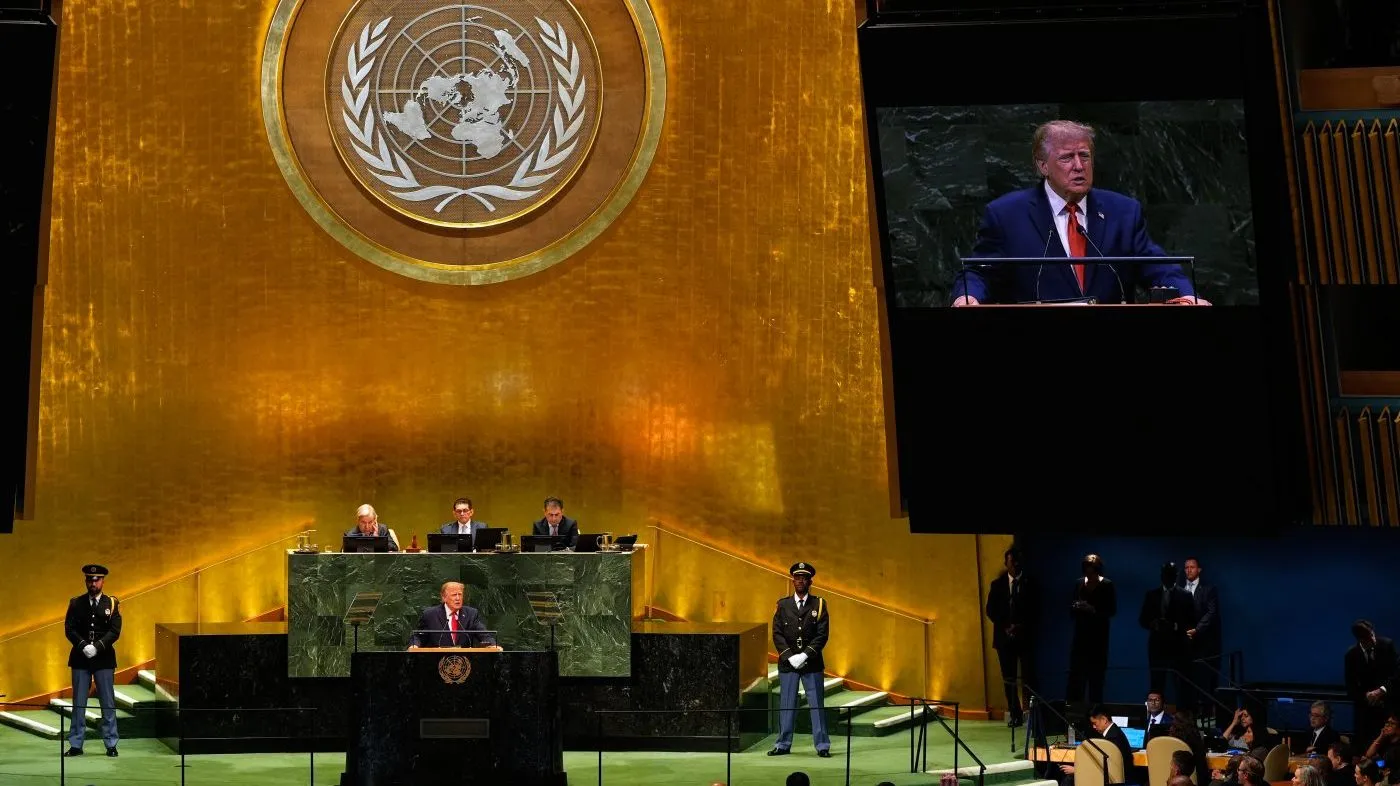
The U.S. rejected a nonbinding United Nations declaration pledging international collaboration to improve pandemic preparedness and prevention, joining the European Union in objecting to the parts of the statement.
Erica Schwartz, director of the Centers for Disease Control and Prevention (CDC), in a speech Friday at a high-level United Nations meeting on pandemic preparedness said the U.S. had ideological concerns with the document and — despite negotiations — “critical issues remain unresolved.”
“The United States is not in a position to support this text in full,” Schwartz said, citing “the inclusion of divisive ideologies that lack definitional consensus” as well as “references to an unfinished negotiation on pathogen access and benefit sharing.”
Schwartz did not specify the ideologies she was referring to, though a draft of the declaration called for prioritizing “mainstream gender equality into all policies and programs” as well as ensuring “universal access to sexual and reproductive health care services,” which could have been construed to include abortion.
The EU in a statement said there were several elements of the document that “represent explicit red lines,” such as technology transfer and international financing obligations.
The document is not legally binding. While it called for international collaboration, there were no set rules for how countries should prepare and respond to pandemics.
Last year, Health and Human Services (HHS) Secretary Robert F. Kennedy Jr. rejected a U.N. political declaration about combatting chronic disease and promoting mental health because the body was exceeding its “proper role” and the declaration promoted abortion and “radical gender ideology.”
In her speech Friday, Schwartz also urged other countries to follow the U.S.’s lead and ban funding for controversial “gain-of-function” research, which the administration has labeled as dangerous.
“We can advance scientific discovery and medical innovation, while protecting public health and national security, and we encourage all member states to join us in this key initiative,” Schwartz said.
Last summer, the administration banned federal funding for any research that could make a pathogen more virulent; render vaccination against the pathogen ineffective; or make a pathogen easier to transmit to people, animals or plants.
The administration has long blamed such research for the COVID-19 pandemic, asserting that a supercharged virus leaked from a lab in Wuhan, China.
Topics in this story
Gathered from external sources. Rights to this text belong to whoever originally published it.