Neanderthals made three-ply cord by twisting tree bark fibres, a tiny fragment found on a stone tool in France reveals
A fragment of cord found on a stone tool in a rock shelter has provided evidence that Neanderthals made fibre-based materials during the Middle
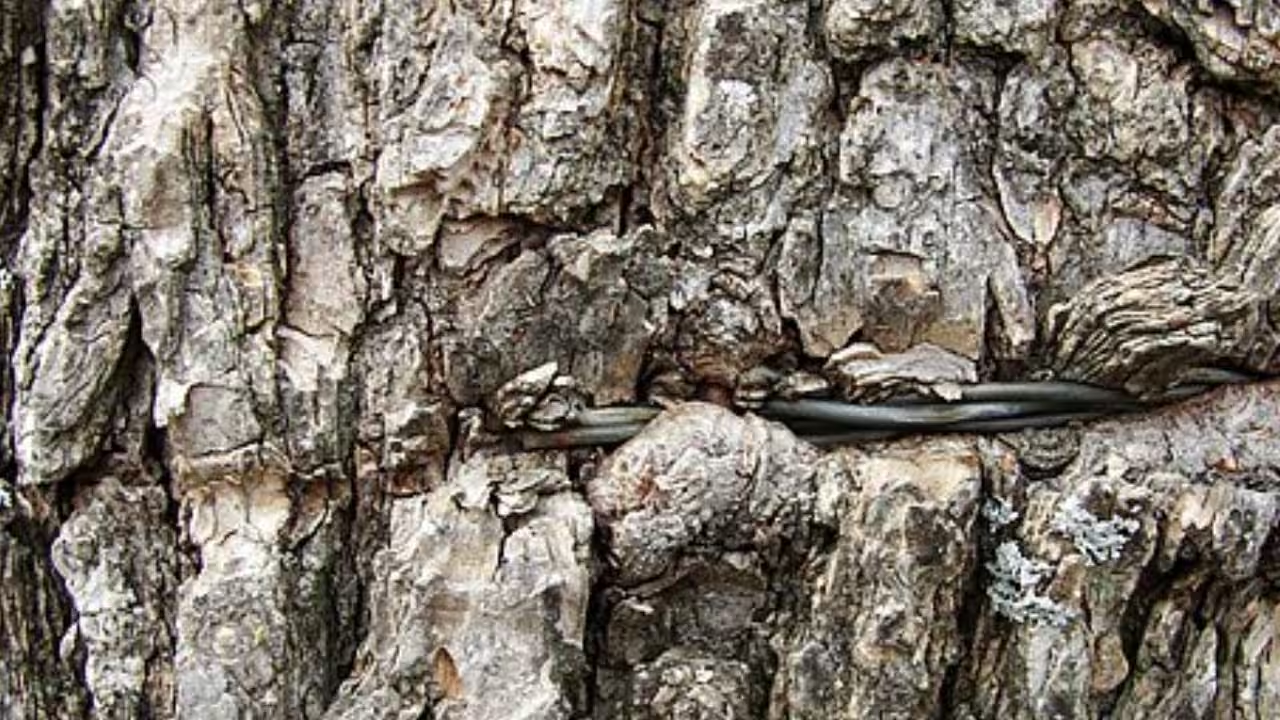
A fragment of cord found on a stone tool in a rock shelter has provided evidence that Neanderthals made fibre-based materials during the Middle Palaeolithic. Researchers identified the remains as a three-ply cord made from inner bark fibres. It was attached to a stone flake recovered at Abri du Maras in south-eastern France.According to research published in Scientific Reports titled ‘Direct evidence of Neanderthal fibre technology and its cognitive and behavioral implications’, the cord was formed from bundles of twisted plant fibres. The researchers said twisted fibres could have been used to make clothing, rope, bags, nets, mats and boats.Ancient cord fragment found beneath the surface at a French rock shelterThe cord fragment was discovered on the underside of a Levallois flake known as G8 128. The stone tool came from archaeological level 4.2 at Abri du Maras, a rock shelter in south-eastern France. It was found in place, about three metres below the modern surface. The researchers said the cord entered the deposit at the same time as, or before, the flake.The surrounding sediment and breccia covered the artefact. The excavation team kept it unwashed in a plastic bag until it could be examined under a microscope. This handling helped rule out modern contamination. The cord measured about 6.2 millimetres long and 0.5 millimetres wide. Unit 4 contained more than 4,000 artefacts longer than 15 mm across its two archaeological levels.How did researchers identify the source of the ancient fibresResearchers examined the fragment using reflected-light microscopy, scanning electron microscopy and a digital microscope. The images showed three bundles of fibres twisted in an S direction. These bundles were then combined with a Z twist to form a three-ply cord. The structure closely resembled replica cords made using modern materials.The team also examined the fibres' microscopic features to identify their source. Bordered pits with torus-margo membranes appeared in parallel lines, a pattern associated with conifer wood. The researchers noted that the fibres likely came from the inner bark of a conifer. Pine was present at Abri du Maras, according to pollen and charcoal evidence from the site. None of the 18 modern fibre samples collected matched the ancient material.What the cord reveals about Neanderthal behaviourThe authors said making the cord would have involved more than twisting plant material. It required combining several fibres and strands in a set arrangement. They argued that understanding and using twisted fibres involved complex, multi-component technology. The process also implied an understanding of pairs, sets and numbers.The researchers suggested that such knowledge may have been needed to produce cordage and make objects from it. The study adds to evidence about Neanderthal behaviour alongside discoveries of birch bark tar, art and shell beads.Significance of the ancient cord fragmentThe researchers said twisted fibres form the basis of many objects, including clothing, rope, bags, nets, mats and boats. These materials can be made from plant fibres, but they rarely survive in archaeological deposits. As a result, the material record from Palaeolithic sites often contains stone tools and animal remains while perishable objects are missing. Earlier work at Abri du Maras had identified individual twisted fibres on stone tools.However, those remains were too fragmentary to confirm that they came from cordage. The newly identified fragment was different because it preserved a clear structure of multiple plies. The authors described it as direct evidence of fibre technology among Neanderthals.You use AI every day. Now get your AI Quotient. Take the AIQ test.
Topics in this story
Gathered from external sources. Rights to this text belong to whoever originally published it.