History of heartbreak exhibition opens in Oxford
A new exhibition in Oxford attempts to chart the history of loves lost through various art mediums.
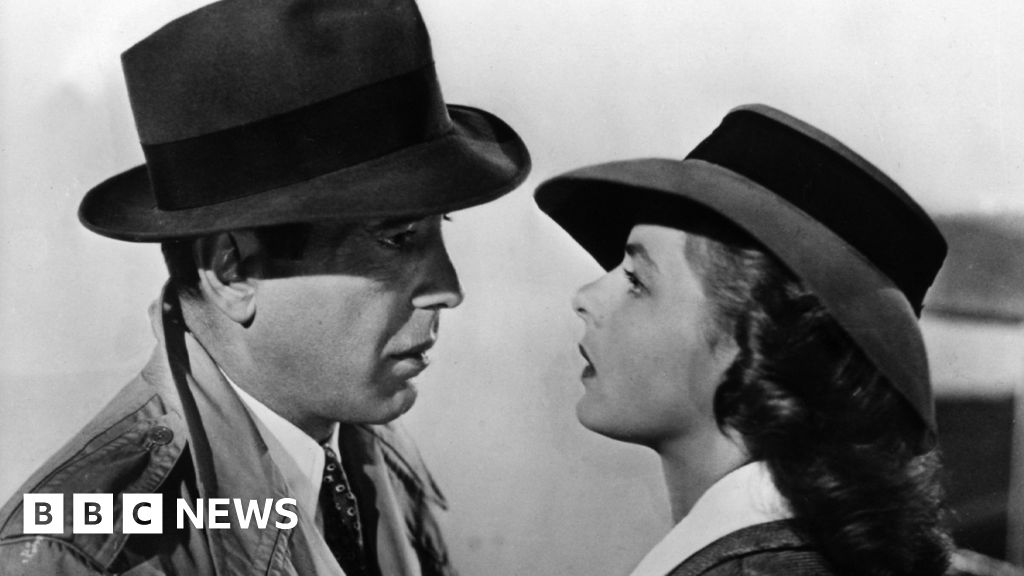
From Rick and Ilsa's final farewell in Casablanca to Adele singing Someone Like You - heartbreak has been at the heart of popular culture for much of the last century.
But the pain is just about as old as human's themselves. For thousands of years it has provided inspiration for tales of woe and even cause for medical enquiries.
A new exhibition in Oxford is attempting to chart some of that history - tracing back to uncover how people in the past valued, expressed, and tried to recover from the anguish of heartbreak.
After Love, at the OVADA Gallery in the city centre, has been compiled and organised by Sally Holloway, who is a a historian of emotions at the University of Warwick.
"It's something that as a society, we need to be talking about more and we need to be taking it much more seriously," Holloway said of the exhibition's subject matter.
"What I really want to convey with this project is that heartbreak wasn't just a sort of serious physical threat for people in the past, but it can be today too."
The exhibition in Oxford charts the evolution of lost love over the past 400 years, and what that now looks like in 2026.
"I started planning out my next book project and thinking about perhaps I could do something on heartbreak," Holloway said of her latest work.
"As soon as I decided this, I felt like I became the repository for other people's stories of heartbreak - suddenly everybody was coming to me with their own individual story of a breakup, a romantic loss."
"I realised then that I was onto something that happened in the past which had real resonance for people in the present."
The gallery features more than a hundred different works in a various mediums, including film, sculpture and collage.
"I'm starting in early modern England and tracing the changing ways that heartbreak was experienced and understood and valued right through to the present day," Holloway explained.
She said the project was "thinking about all the different feelings involved to show really that heartbreak was more than grief".
"For early modern people, the healthy body was a body that was was balanced - so if you were heartbroken you might be experiencing an excess of sadness."
"[It was thought] that sort of degree of emotional strain could cause your heartstrings to literally snap."
"Whereas, by the 18th century heartbroken people spoke of heartbreak more in terms of it was sort of the loss of the meaning of their life."
"Then in the 19th century, people increasingly figured their heartbreak in terms of things like misery and trouble and feelings of shame."
The After Love exhibition at Oxford's OVADA Gallery opened this week, and runs every Thursday to Sunday until 18 October.
Holloway said she had "learned a lot" from working with the more than 50 artists artists involved in the presentation.
"In some ways, heartbreak is an opportunity because it's such a great rupture with the past that it provides that opportunity to look ahead at your own future and ask 'who am I now and what should I do next?'," she added.
Topics in this story
Gathered from external sources. Rights to this text belong to whoever originally published it.