Federal judge temporarily blocks Trump plan to deport detained Afghans to Afghanistan
The order, which expires Saturday, forbids ICE to deport Afghan nationals to Pakistan or Taliban-ruled Afghanistan, which critics say could put their lives at risk.
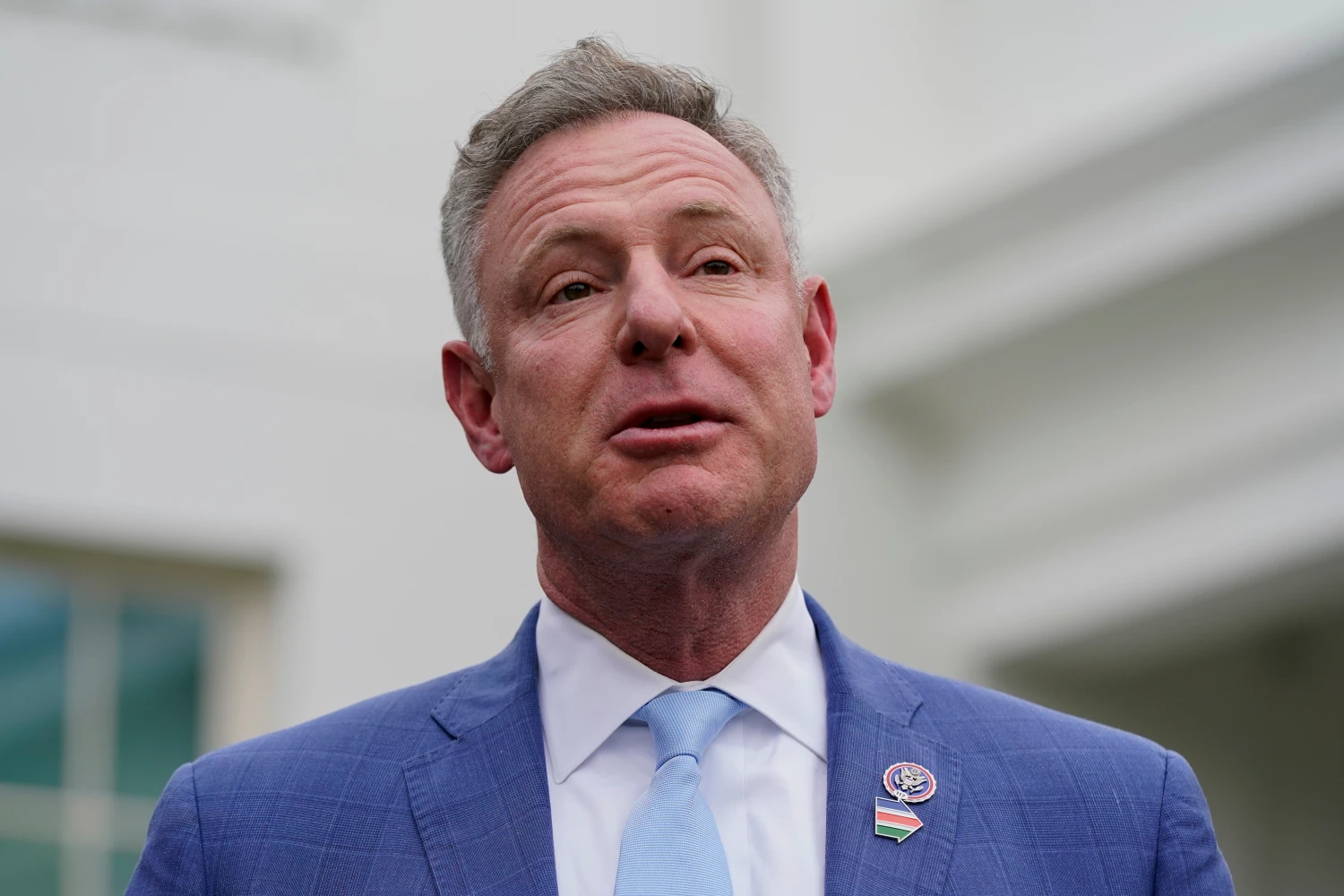
MIAMI — A federal judge on Tuesday temporarily blocked the Trump administration’s plans to deport Afghans detained in the United States to Afghanistan or Pakistan, after advocates and dozens of members of Congress warned that their lives would be at risk. The government told the court that Immigration and Customs Enforcement had no chartered or commercial flights for deporting Afghan nationals to Afghanistan or Pakistan at least before the end of the week. Judge Valerie Caproni’s order, which expires Saturday, asks all officials to adhere to that. ICE books the flights weeks in advance. A letter led by California Democratic Rep. Scott Peters and signed by 65 other members of the House and Senate said they were “extremely concerned that sending vulnerable people” would expose them to “persecution, torture, or even death.” The letter was sent Monday to Secretary of State Marco Rubio and Homeland Security Secretary Markwayne Mullin. Immigrant rights organizations have also warned that those deported could face retaliation from the Taliban. Thousands of Afghans fled persecution and feared for their lives after helping the U.S. military and aid groups in Afghanistan. According to court documents obtained by The Associated Press, the U.S. planned to deport Afghan immigrants on Monday on flights from Louisiana, where ICE has immigrant detention and processing facilities, to Pakistan. President Donald Trump’s administration has deported thousands of immigrants to countries other than their own. In some cases, it has resorted to third-country deportations when removal to their countries of origin was not possible, like when formal diplomatic relations were absent, as is the case with Afghanistan’s Taliban government. In other instances, third-country deportations have been used as a deterrent. Advocates and attorneys said that more than 80 detained Afghans had contacted them after ICE notified them that they could be deported this week via Pakistan. Among them are women, a police officer, members of religious minorities and people whose family members served in the U.S. military. Most fled Afghanistan because of persecution and do not have legal representation, according to Human Rights First and AfghanEvac, a nonprofit organization that advocates for immigrants. Before the judge signed her order, Zia Ahmad Takal, deputy spokesperson for the Afghan foreign ministry, said “the Islamic Emirate of Afghanistan expresses its serious concern” about the reports that the U.S. plans to transfer Afghans to Pakistan. Takal called on the U.S. to make sure that decisions or actions are based on rights and “legitimate demands” of those involved, and said “third-party countries should not engage in dealings concerning the fate of another nation’s citizens.” “Today is a good day,” Shawn VanDiver, president at AfghanEvac, said at a news conference. “But I want to be honest with you, this is a reprieve, not a resolution. We haven’t stopped this fight forever. This is just a pause.” Savitri Arvey, director of policy, refugee and immigrant rights for Human Rights First, said individuals returned to Afghanistan “face grave, systematic dangers,” including arbitrary detentions, executions, public flogging and retaliatory violence. “The stakes were very, very high,” she said, noting that women and girls face severe restrictions in Afghanistan, including systematic denials of education, employment and public speech. Advocates expressed their concern about the role of the Pakistani government in facilitating the returns to Afghanistan and the fact that there is no information about the arrangements that the U.S. has made with Pakistan. “We celebrate today, but we’re getting right back to work tomorrow, continuing to make sure through our flight tracking that none of these flights are taking off,” Arvey said.
Topics in this story
Gathered from external sources. Rights to this text belong to whoever originally published it.