In 2019, Los Angeles tested a road mix made from old asphalt and recycled plastic bottles, aiming to repave streets without adding new asphalt
In 2019, Los Angeles tested a groundbreaking road recycling method utilizing old asphalt and recycled plastic bottles to pave its streets more sustainably. Learn about this innovative procedure that could revolutionize road construction and reduce emissions.
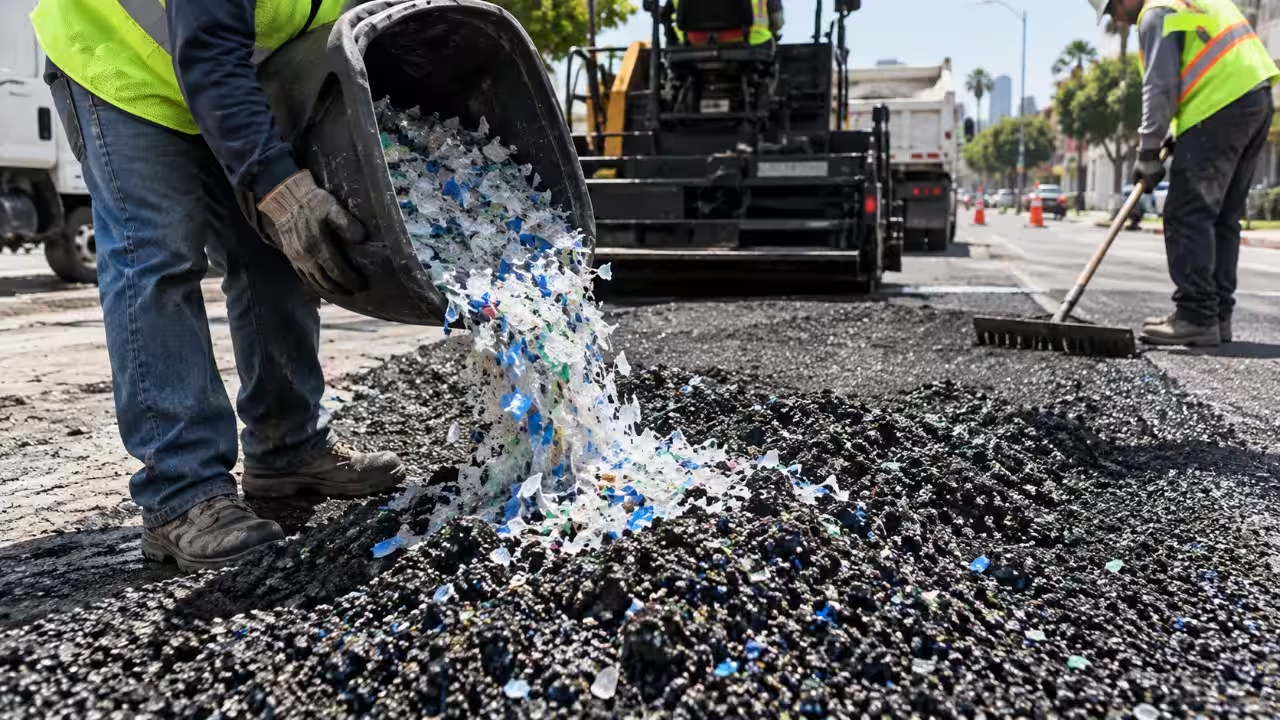
A road rebuilt largely from the material already beneath it sounds straightforward, but conventional resurfacing often involves removing old material, hauling it away and bringing in fresh asphalt. According to Fast Company, in 2019, Los Angeles began testing a different approach: grind up the existing road, add a synthetic binder made partly from recycled plastic bottles and lay the material back down.The pilot was based on a simple idea. Instead of treating the old road as waste and relying on new petroleum-based bitumen to bind recycled pavement, the existing asphalt could be processed in place and held together with a binder derived from recycled polyethene terephthalate, or PET. The proposed system therefore combined two waste materials, old pavement and discarded plastic bottles, in one road-recycling process.Turning old asphalt and bottles into a new roadThis approach, which was developed by TechniSoil Industrial, involved the use of what the company referred to as a continuous recycling train. First, the equipment mills the surface of the old road and crushes the asphalt to the required size. It was then mixed with a liquid synthetic binder, which had been produced using recycled PET and laid down on the road again. This method differs from conventional resurfacing because the top layer of the old road can be recycled without being removed and replaced with new hot-mix asphalt.According to Construction and Building Materials, research on plastic-modified asphalt has found that the behaviour of the finished pavement depends on factors such as the type of plastic, the amount used and the way it is incorporated. PET is among the plastics investigated for improving properties such as stability, although researchers also note that high plastic contents can affect other characteristics of an asphalt mixture. The Los Angeles experiment was therefore not simply a matter of mixing shredded bottles into ordinary asphalt. The plastic was processed into a synthetic binder that served a different function in the road material.A pilot designed to cut out new materialThe system’s appeal was that it could reduce the amount of material moved for road construction. With the traditional method, crews would have to mill and haul away the pavement, then bring new material to the construction site. This system was designed to carry out those steps continuously on site. Fast Company also noted that in October 2019, the city of Los Angeles wanted to conduct tests on two different areas of road in December. The duration of the trial run would be one to two years.The environmental benefit also depended on the process temperature. Unlike traditional hot-mix asphalt paving, the technology worked at normal temperatures and avoided transporting both the old material and the replacement material. The company projected that the process would greatly reduce emissions, but these figures were estimates rather than measurements from the completed roadway. Los Angeles had also been increasing its use of reclaimed asphalt pavement, with Asphalt Plant No. 1 expected to raise the share of recycled asphalt pavement in its hot-mix asphalt from 20% to 50%. This broader effort provided context for the trial, as the city was exploring ways to keep more pavement material in use rather than sending it to waste.Testing plastic roads in the real worldThe idea attracted attention partly because the company said laboratory tests suggest plastic-based roads could last eight to 13 times longer than conventional asphalt. Research published in the Journal of Traffic and Transportation Engineering similarly shows that recycled plastics can influence asphalt's mechanical and thermal properties, but stresses that compatibility, storage stability, processing methods and long-term performance remain important considerations.This trial mattered because it was a real-world application, though it did not prove that plastic roads could replace conventional roads everywhere. It aimed to combine recycled PET and asphalt in a way that reduced the amount of binder needed and cut transportation of materials. It also suggested a model in which road repairs become a recycling process, with the old road forming much of the new one.You use AI every day. Now get your AI Quotient. Take the AIQ test.
Topics in this story
Gathered from external sources. Rights to this text belong to whoever originally published it.