I finally visited this rugged Canadian island. Coastal hikes and live music were just the start.
Beyond its dramatic views, Cape Breton Island delivers fresh seafood, live music, breathtaking hikes and so much more.
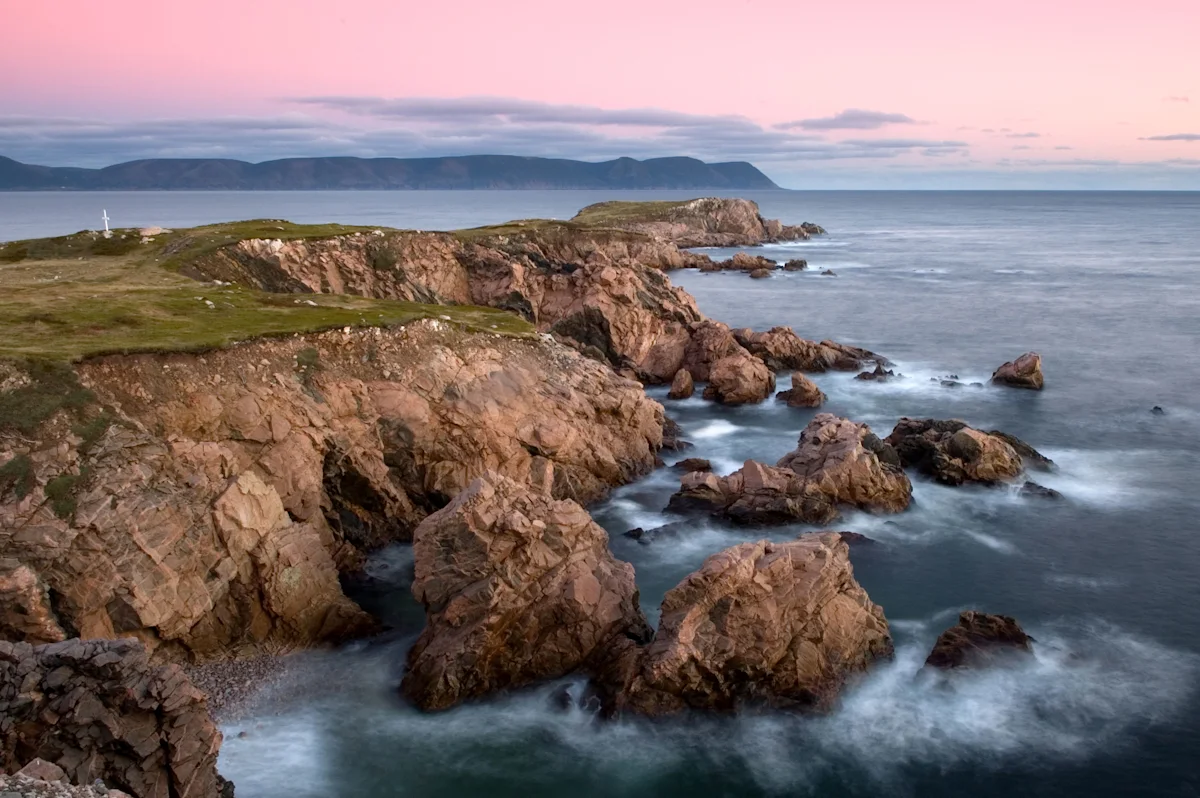
Even though it's relatively close to where I live on the East Coast, Cape Breton Island in Nova Scotia has existed in my mind as some far-off land that, maybe one day, I would be lucky to explore. That day came this summer when I finally made the trip with my husband and our baby daughter.
Our goal: to explore and take in as much lobster, fiddle music and hiking as we could.
Cape Breton Island has a fascinating blend of culture and history. It has been home to the Mi'kmaq people for over 10,000 years. It was settled by Acadians in the 1700s and had a large influx of Scottish immigrants in the 1800s. Those influences continue to be felt today across the food, language, craft and music traditions.
In the course of a week, we would explore the island, making sure to drive along the famed Cabot Trail, hike in Cape Breton Highlands National Park, stay in a rural Acadian village, hear local music performances and feast on the freshest seafood.
Given the island's distance from the nearest international airport (over four hours), we opted to spend the first and last nights of our trip in Halifax, Nova Scotia's capital and a charming coastal city that warrants a trip of its own.
Here are the things you won't want to miss if you travel to Cape Breton.
You'll be hard-pressed to arrive on the island without people asking if you plan to explore the Cabot Trail. This 185-mile loop on the northern end of the island runs through Cape Breton Highlands National Park and connects coastline, villages, hiking trails and vistas in one drivable loop. The trail can be tackled in its entirety or enjoyed in segments.
Since we were traveling with a baby (who isn't the biggest fan of the car), we chose to stay near the park in the Acadian community of Chéticamp, rather than circumnavigate the island. Chéticamp was a perfect home base for exploring some of the Cabot Trail's most scenic hikes and great lobster spots, and it meant we didn't need to spend endless hours in the car.
In Chéticamp, we were very near the Skyline Trail , a relatively flat four-mile out-and-back hike that's arguably the park's most popular and scenic. We also weren't far from The Lone Shieling Trail , a short hike that winds through a grove of 350-year-old sugar maple trees. On the latter, we found ourselves alone in one of the largest groves of old-growth hardwood trees in the Maritimes, surrounded by thousands of wildflowers. It's my favorite memory of the trip.
Before setting out, make sure to check in with the visitor center. If you're planning to hike the Skyline Trail between June 26 and October 25, 2026, you must book a timed parking reservation online in advance.
Experience the culture and cuisine of an Acadian village
Several new businesses — many with deep roots in the community — have sprung up in this corner of Cape Breton. Among them is LaPointe Chalets , a collection of six private, eco-friendly cabins on Chéticamp Island overlooking the coast. We stayed here and loved how quiet and private the property was. With our own chalet, we had room to spread out, could cook outside on our barbecue and watch late-evening sunsets from Adirondack chairs on our private deck overlooking the water.
Another recent addition is Doucet , an inventive restaurant serving a multicourse tasting menu inspired by the area's Acadian heritage. And the newly opened Bistro Fiset serves local lobster, Nova Scotia oysters and craft cocktails.
In town, we loved Marguerite , a modern general store that was stocked with everything from fresh blueberry scones and locally made kelp lip balm to vintage wool coats from Montreal. We also visited Les Trois Pignons , a seasonal museum and cultural center dedicated to Chéticamp's centuries-old Acadian rug hooking tradition. For more locally made crafts, we went to Freya & Thor , which sells art and handcrafted goods from local artisans (think: lip balm made with Nova Scotian kelp, prints by Cape Breton watercolorists) plus seriously good coffee and pastries.
Cape Breton Island is known for its unique fiddle tradition, which evolved from the fiddle music brought over by Scottish Gaels beginning in the late 18th century. It's often lively, upbeat and feels like a natural backdrop for zipping around the island.
While you may stumble upon some music in restaurants and pubs (or even on the radio in your rental car), you may want to plan some distinct stops. Consider attending a ceilidh, a traditional Gaelic gathering with music, dancing and more. There's even a Ceilidh Trail : a 67-mile stretch of highway along the western coast that passes through areas known for Gaelic culture and music.
Or, drop by the Celtic Music Interpretive Centre to learn more about the music traditions of the island, attend a concert or join in for a ceilidh. One of the island's most famous music venues is the Red Shoe Pub in Mabou, which regularly hosts live music. Glenora (considered the oldest single-malt whisky distillery in North America) also hosts regular music sessions.
You can detect the Scottish heritage in Cape Breton in a variety of ways, including the fiddle music and plentiful golf courses. The island is something of a destination for golf lovers, and many head to Cabot in the beach town of Inverness. There, you can book a tee time or just soak in the incredible views from the Cabot Cliffs course.
Even if you're not a golfer, Cabot Cape Breton is one of the island's most luxurious places to stay, and it offers a range of accommodations from rooms to full vacation rentals. We loved spending time on the Cabot Cliffs overlooking the Northumberland Strait.
Our dinner at Cabot's Coore's Lobster Shack was also a highlight. Located in a barn-like building, the lobster was served family-style, swimming in a pan of hot butter, and to the uptempo swings of live fiddle music. It was the perfect ending to our time on Cape Breton Island.
Topics in this story
Gathered from external sources. Rights to this text belong to whoever originally published it.