An Indiana train depot built 144 years ago sat abandoned for decades; after a nonprofit bought it in 2023, the station is being restored as the centerpiece of a new railroad campus
US News: On a quiet corner in Steuben County, Indiana, a small brick train depot has stood watch over the tracks for 144 years. For much of the last half centu.
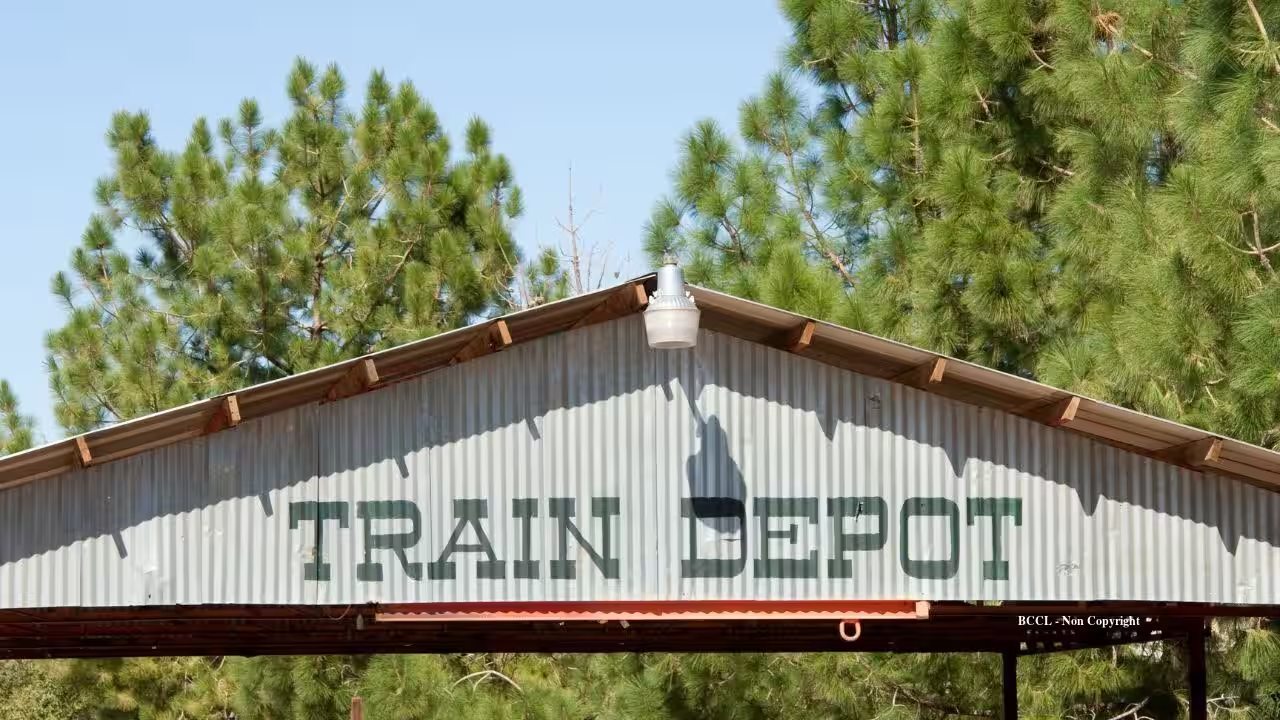
On a quiet corner in Steuben County, Indiana, a small brick train depot has stood watch over the tracks for 144 years. For much of the last half century, it watched in silence, its windows boarded, its platform empty, a relic of an era when railroads defined the rhythm of rural life. In 2023, a local nonprofit purchased the long abandoned station with a bold plan to bring it back to life. Today, the depot is being carefully restored as the heart of a new railroad campus that will celebrate the region’s transportation heritage and create a gathering place for the community. As reported by FPI News, the project is turning a forgotten building into a living monument to the trains, workers and towns that grew up along the rails.A depot born from the age of steamThe depot was constructed in the early 1880s, at a time when railroads were the arteries of the American economy. Small towns across the Midwest rose and fell based on their proximity to the tracks, and a train station was often the most important public building in the community. Farmers brought their crops and livestock to the platform to be shipped to distant markets. Passengers arrived and departed on wood burning locomotives, connecting rural Indiana to cities like Chicago, Detroit and beyond.The Steuben County depot served as a hub of daily life. Telegraph operators clicked out messages from a small office. Freight agents weighed crates and loaded baggage. Families gathered on the platform to greet returning soldiers or see off relatives heading west. For decades the sound of the whistle, the rumble of wheels, marked time as surely as the church bell or factory whistle. Decades of decay and abandonment As the 20th century progressed, the role of the railroad began to change. Trucks and cars took over much of the freight and passenger traffic. Many small-town stations saw fewer and fewer trains until service was reduced or eliminated. The Steuben County depot was no exception. By the late 20th century, it had closed its doors to the public and was used only sporadically, if at all. Without regular maintenance, the building began to fall apart. Roofs leaked, windows broke and vegetation crept up the walls. Vandals and the weather had taken their toll. For years the depot had been a sad reminder of busier times, a building too big to ignore but too damaged to save easily. Local people drove past and wondered whether it would ever be anything more than an eyesore. Over the years, several groups have expressed interest in the building, but the cost of restoration and the difficulty of finding a viable new use have prevented any serious plans from materialising. The depot sat in limbo, a piece of history slowly decaying on the edge of town. A nonprofit steps in with a vision In 2023, a local nonprofit dedicated to historic preservation and community development decided to tackle the challenge. They saw the depot not just as an old building but as a potential anchor for a larger vision. They planned to restore the station and use it as the centerpiece of a railroad campus that would house exhibits, event space, and educational programming centered on the region’s rail heritage.The purchase of the depot was just the beginning. The building needed structural repairs, a new roof, restored windows and doors and delicate work to preserve original features such as woodwork, brickwork and signage. The group began raising money from private donors, grants and community events, arguing that saving the depot was about more than nostalgia. It was about preserving a tangible link to the past while creating a resource that could serve residents and visitors for generations. Volunteers and contractors began clearing debris, stabilising walls and documenting the building’s original layout. Historians and architects worked together to ensure that the restoration would be faithful to the depot’s 19th-century character while allowing for modern uses such as accessibility upgrades and climate control.Building a railroad campus around the stationThe restored depot is only one part of a larger plan. The surrounding land is being developed into a railroad campus that will tell the story of how trains shaped Steuben County and the wider region. Plans include outdoor exhibits of railroad equipment, interpretive signs along former track beds, and space for special events such as heritage days, model train shows and educational workshops for schools. The campus is designed to be more than a museum. It is intended as a community asset, a place where people can gather, learn and celebrate their shared history. Local artisans and vendors may use the site for markets and festivals. Historians and hobbyists can share knowledge about locomotives, signalling and the daily life of railroad workers. For younger residents, the campus offers a hands-on way to connect with an industry that built the modern Midwest but is now largely invisible in everyday life. By placing the depot at the centre of this campus, the nonprofit ensures that the building remains active and relevant. Instead of standing alone as a preserved relic, it becomes a living part of the town’s cultural landscape.The challenges of bringing an old station backRestoring a 144 year old train depot is not a simple task. Every layer of paint, every beam and brick carries the marks of time and previous repairs. Some original materials have been lost to rot, fire or vandalism and need to be replaced with close matches that comply with modern building codes. The team has always struggled with the challenge of trying to make the building safe and usable today while still keeping it authentic. Funding is always a struggle. Historic restorations are expensive, and the costs frequently exceed initial estimates once hidden problems are uncovered. The nonprofit relies on a steady stream of donations and grants to keep the work moving. Volunteers have put in countless hours doing everything from demolition and cleaning to landscaping and event planning, but skilled trades such as masonry, roofing and electrical work require professional contractors. Still, progress has been steady. Supporters cheering the depot’s revival from decades of neglect celebrate each milestone, be it a new roof or restored windows.Why the depot matters to the communityFor many residents, the depot is more than just a building. It’s a symbol of resilience and continuity. Their grandparents and great-grandparents passed through its doors, worked on its platform or watched trains roll by from its windows. Saving the depot is a way of honouring that heritage and ensuring that future generations can walk the same floors and touch the same bricks. The railroad campus also has economic potential. Heritage tourism is a growing industry and the visitors drawn to the depot and its exhibits may also spend money at local shops, restaurants and lodgings. Events held on the site can bring people into the community who may otherwise never visit, establishing new relationships and opportunities. Most importantly, it sends a message that small towns can invest in their own history and make something meaningful out of what others might consider obsolete. In an age when many rural areas feel left behind, the restored depot is a statement of pride and possibility.From abandonment to a new chapterWhen the Steuben County depot was originally built it was a symbol of progress and connection. After decades of abandonment it risked becoming a symbol of decline. Thanks to the efforts of the nonprofit and the support of the community, that story is being rewritten. The depot is no longer a forgotten structure at the edge of town. It is becoming the heart of a railroad campus that celebrates the past while looking toward the future. As restoration work continues, the building is slowly regaining its voice. Soon it will be open to visitors again, playing host to gatherings and sharing the story of the trains and people who put their mark on this corner of Indiana. The whistle may not blow on the tracks outside anymore, but inside the restored walls of the depot, the spirit of the railroad age is finding a new way to speak.Catch the latest World News and Live updates. Download the TOI app.
Topics in this story
Gathered from external sources. Rights to this text belong to whoever originally published it.