A Texas study assessed audible lane departure warning treatment at 77 sites; crashes fell about 19%, including a 30% reduction in fatal injury crashes
A Texas study highlights the effectiveness of audible lane departure warning treatments, revealing a 19% reduction in overall crashes and a 30% decrease in fatal injury crashes, particularly benefiting rural roads.
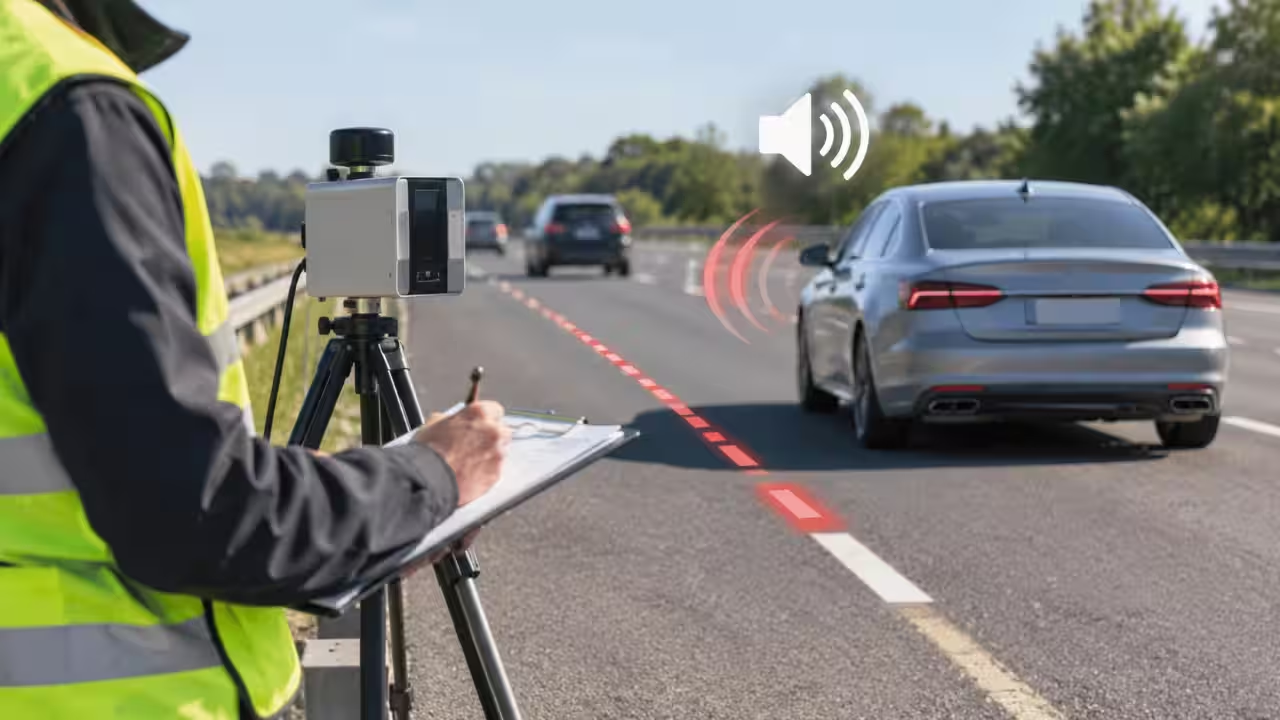
One easy tweak to road marking could make freeway driving safer by giving motorists a warning that their vehicle is starting to go off course. Audible lane departure warning treatments employ marked rumble bars and specialised pavement marking to create noise and vibration that help give drivers another cue to stay on course. This approach might be especially beneficial on rural roads, where temporary lapses in attention can cause severe crashes.A Texas study conducted by the researchers at the Texas A & M Transportation Institute measured these treatments at 77 roadside locations. The results indicated that crashes dropped by about 19% after installation and fatal injury classes decreased by about 30%. The project explored ways to design audible and physical warning treatments for seal-coat surfaces, where milled rumble strips are often difficult to install and maintain.How audible lane departure warnings alert driversThese markings warn drivers when a vehicle is approaching or crossing the road’s edge line or centre line. They are different from electronic warnings or warning lights on modern motor vehicles, which are mounted on vehicles. The evidence of approach or crossing is created in the road surface or marking by the sound and vibration when the vehicle tyres roll over the road markings or rest markers features.There are a number of different ways to achieve this. Audible pavement markings feature raised or textured portions of painted road lines, while rumble bars are a series of bumps formed into the pavement. Milled rumble strips also exist, where grooves are cut into roadways. A driver straying over the centre line could lead to a head-on accident, while crossing an edge line could cause a car to leave the road altogether.Researchers tested 51 treatments at 24 field sites.The Texas study lasted 20 months from September 2015 to April 2017. The researchers tested 51 treatments at 24 field sites, including spaced and continuous audible pavement markings, rumble bars, and milled rumble strips. In addition, 12 different audible marking designs were evaluated on the separate test segment. Noise and vibration levels were used to evaluate drivers’ experience of treatment or whether a driver would receive adequate warning.The test results indicated that noise and vibration were influenced by the design of the treatment vehicle type and speed. Overall, the faster the vehicle,e the more noise and vibration were recorded, and the stiffer the suspension, while the treatment with closely spaced raised sections, longer raised sections, and a larger profile appeared to offer more pronounced warning. Several alternative treatment options produced noise and vibration levels similar to the standard milled rumble strips. This is particularly relevant given the practical challenge of installing rumble strips on some seal-coat roads, so the alternative could offer additional options for road authorities to adopt safety treatment without necessarily having to introduce grooves into the roadway.In the crash analysis, the researchers looked at 77-foot sections of road and then compared the crash outcomes with those of appropriate comparison sites. They found a 19% decrease in total crashes across the sites and 30% decrease in crashes with facilities or injury the site included at least one warning treatment on the Central line or headline. The researchers also estimated the cost of installing the treatment and found it likely to have a benefit-cost ratio of 11:1 or more, meaning the safety benefit would far exceed the cost of installing the treatment.Research highlights wider potential for road safety The Texas finding is supported by other research examining how audible warnings can prevent drivers from leaving their lanes. In a study published in Transportation Research Record in 2018, researchers tested other audible lane departure treatments along nearly 189 miles of Rule 2 lane roads in Texas and empirical bias before and after and analysis showed a 21.3% decrease in single-vehicle run-off-road and oopposite-directioncrashes among these type of crashes fatal crashes and injury decreased by 32.5% to 39.9%.One additional study from the Journal of Safety Research also in 2018 look at the passengers vehicle electronic departure the research show that vehicles were with these warning system experience lower percentage of crashes and valving the device including in 18% reduction in crash frequency for all severity levels prior to controlling for target demographics. While vehicle-based warning systems are not the same as foot-based treatment, both suggest the potential benefits of warning drivers before they cross the line.Another benefit of the taxes project was its suggestion that better installation standards and specification-based systems show that other audible treatments can be helpful when typical rumble systems are not feasible; for example, on seal coat pavements. While not capable of preventing all road crashes, these systems can warn of impending trouble in time to make adjustments and avoid a crash or run off the roadway before skidding into the path of another vehicle.You use AI every day. Now get your AI Quotient. Take the AIQ test.
Topics in this story
Gathered from external sources. Rights to this text belong to whoever originally published it.