Nature: New strategy to restore protection for nature in Northern Ireland launched
About 40% of the plants and animals in protected sites across Northern Ireland fall short of meeting the standard for "favourable condition".
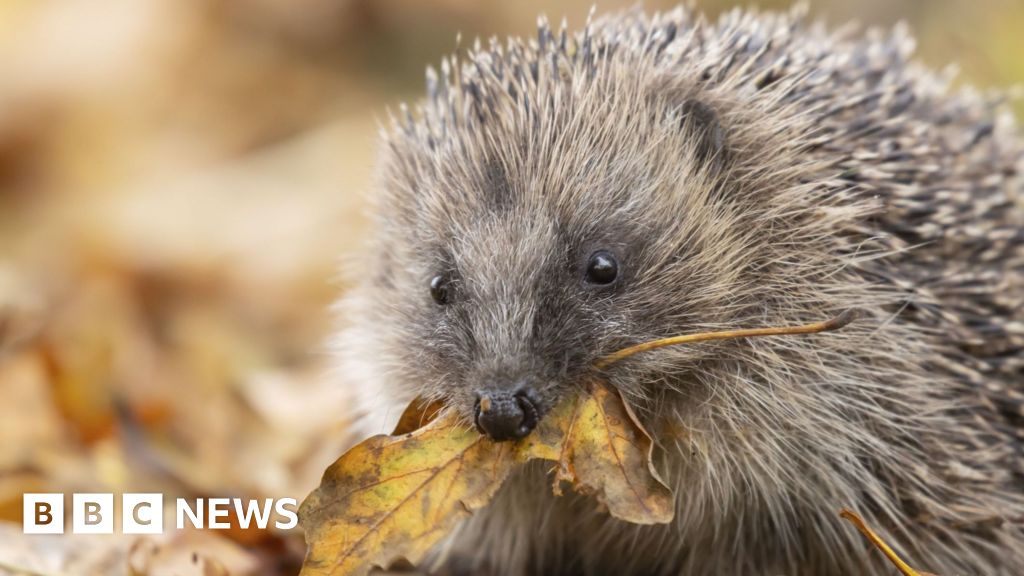
A new strategy to restore and enhance protection for nature in Northern Ireland has been launched by the agriculture and environment minister.
About 40% of the plants and animals in protected sites across Northern Ireland fall short of meeting the standard for "favourable condition".
And just one of 49 priority habitat types - like ancient and native woodlands, blanket bogs and species-rich grasslands - have favourable status.
The Nature Recovery Strategy sets out a long-term framework based on science for tackling biodiversity loss and restoring habitats.
Minister Andrew Muir said supporting nature was "not just a nice thing to do", but "a moral obligation to future generations".
But the minister acknowledged that money would be needed to address the challenges.
The strategy highlights the importance of nature as providing the food we eat, the water we drink and the air we breathe.
Muir said nature must be put "back at the heart of everything we do, because when nature thrives, people flourish.
"It is essential to a strong economy, healthier communities and a more resilient Northern Ireland.
"With so much of our natural world lost, we must protect what remains, restore what has been damaged and create new habitats at scale."
Many places in Northern Ireland support rare or threatened plants, animals and habitats.
They can be legally designated to help ensure better management and protection of those species.
There are hundreds of such designated sites across Northern Ireland, covering around 10% of the land and 38% of coastal waters - classed as Areas of Special Scientific Interest; Special Areas of Conservation (SACs) which have international biodiversity importance; Ramsar Sites which cover wetlands of international importance; Special Protection Areas (SPAs); and Marine Conservation Zones (MCZs).
That should lead to work to protect the species and habitats they have been designated for.
The number of sites that were in favourable condition dropped from 61.7% in 2008, to 51.5% in 2024.
It is now investigating how those sites are being managed by the Department of Agriculture, Environment and Rural Affairs, after it found implementation of the designation fell short.
Northern Ireland is one of the most nature-depleted areas in the world, according to the 2023 State of Nature Report.
It found 12% of species here are under threat of extinction, and the number of flowering plants had declined by 14% since 1970.
The Nature Recovery Strategy identifies six external pressures affecting nature and biodiversity - invasive species; climate change; human impact through inappropriate development; land and sea-use change; increased intensive farming; pollution.
It says these must all be addressed effectively to allow nature to thrive.
Topics in this story
Gathered from external sources. Rights to this text belong to whoever originally published it.