An Alabama woman in her 60s lost $17,500 to scammers posing as Blake Shelton’s management, who promised her a chance to win $1 million as his fan of the year
A woman in her 60s from Alabama lost $17,500 after scammers promised her a chance to win a $1 million prize by becoming country singer Blake Shelton’s fan
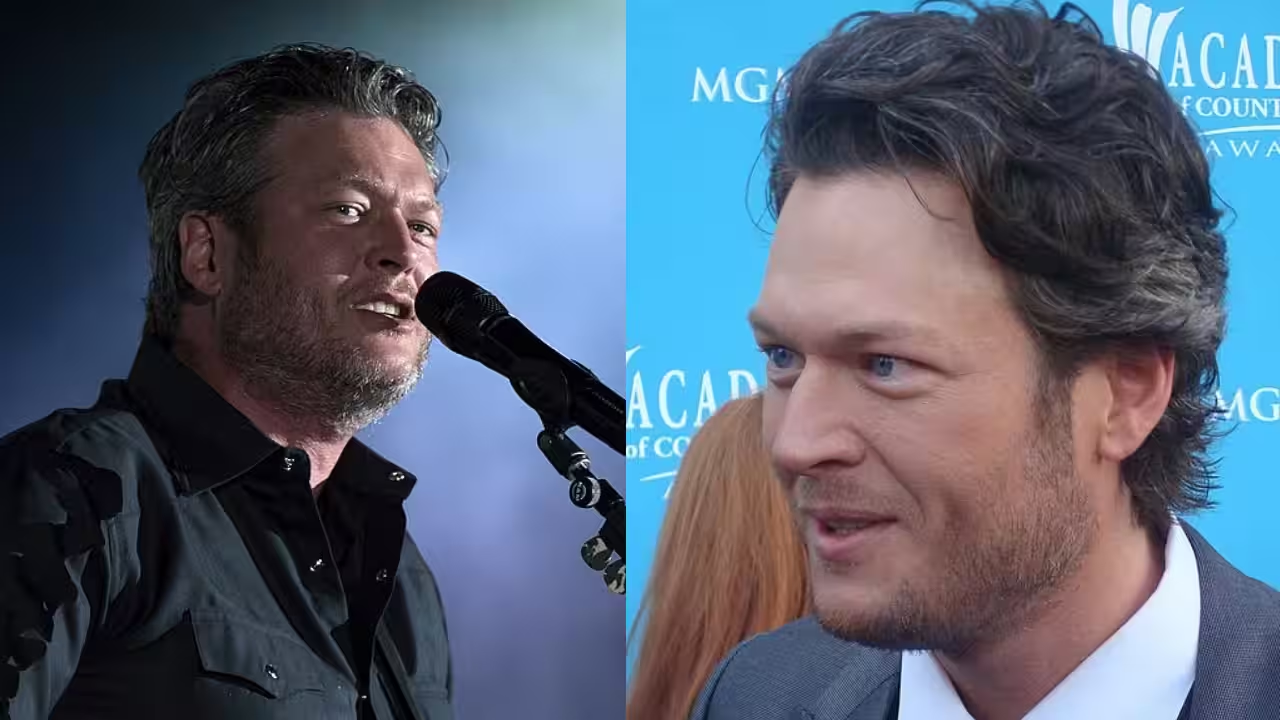
A woman in her 60s from Alabama lost $17,500 after scammers promised her a chance to win a $1 million prize by becoming country singer Blake Shelton’s fan of the year. Identified only by her initials, J.R., she was told she could enter the competition by making three payments through wire transfers. Believing she was communicating with Shelton’s management, she sent the money in instalments. The supposed contest was entirely fabricated, and the person contacting her was not the singer’s manager. She later discovered that the promised prize and the opportunity to win it were part of a scam.Alabama woman sent three wire transfers after being promised a $1 million Blake Shelton prizeAccording to AARP, J.R. heard about the supposed contest several years ago and decided to enter for a chance to be selected as Blake Shelton’s fan of the year. The prize was advertised as $1 million, but she was told that participating required three separate payments totalling $17,500. She made all three payments through wire transfers, believing the opportunity was legitimate.The communication was not coming from Shelton’s actual manager, and no such $1 million contest existed. The singer had no connection to the supposed giveaway. AARP included her experience in its coverage of celebrity impostors, explaining how fraudsters use well-known names to establish credibility and persuade fans to send money.The incident illustrates how a promised prize can become a route to financial loss when scammers impersonate celebrities or their representatives. In J.R.'s case, the promise of being recognised as the country singer's biggest fan was used to convince her to transfer a substantial amount of money.How scammers use fake celebrity contests to target fansSome scams begin with what appears to be an ordinary message from a celebrity or someone claiming to work for them. Fraudsters reach out through social media, strike up conversations with fans, and gradually introduce requests for money. The offers can range from exclusive meetings and gifts to charity appeals and prize competitions, making it difficult for victims to recognise the deception.AI usage is yet another factor that has increased the complexity of the issue. With the help of forged photos, voice cloning and deepfake videos, an imposter becomes credible. There are reported examples of fraudsters impersonating celebrities like Kevin Costner, Dolly Parton, Elon Musk and Robert Plant.According to AARP, one shouldn’t transfer funds just because the person identifies himself as a famous figure. Especially requests for wire transfers, gift cards and cryptocurrencies, which are usually associated with some sort of prize or personal relationship.You use AI every day. Now get your AI Quotient. Take the AIQ test.
Topics in this story
Gathered from external sources. Rights to this text belong to whoever originally published it.