Agnipath: A new version
Giving soldiers more time to serve is a good idea. But the Army must still find ways to become more modern and efficient.
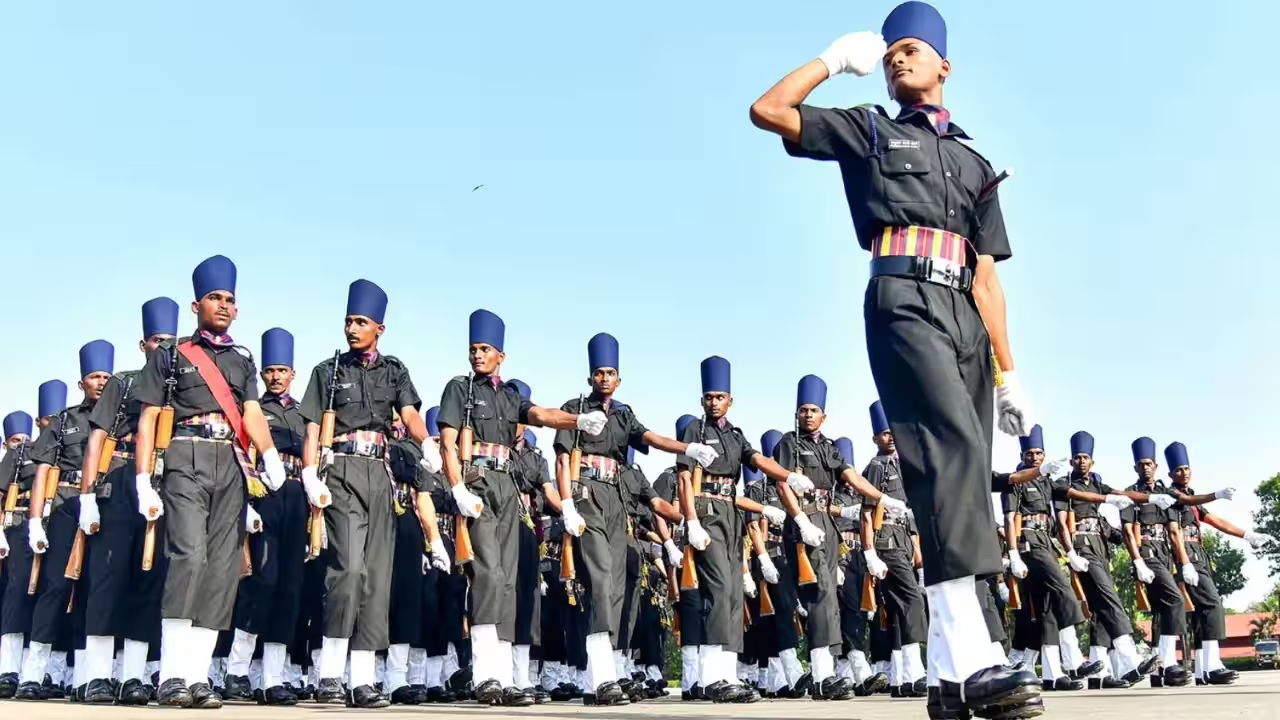
Giving soldiers more time to serve is a good idea. But the Army must still find ways to become more modern and efficient.The government has changed its Agnipath scheme, which was introduced four years ago to recruit young soldiers into the armed forces. Under the new plan, Agniveers will have a better chance of joining the Army permanently, depending on whether they want to continue and meet the selection requirements.The original Agnipath scheme was designed to make the armed forces younger and more modern. It also aimed to reduce the number of soldiers and save money on salaries and pensions. This would leave more money to buy modern weapons and equipment.Since the One-Rank-One-Pension scheme began in 2014-15, the money spent on military salaries and pensions has increased greatly. It now takes up more than half of India's yearly defence budget. This is a big concern because the armed forces also need money to modernise.China has made similar changes to its military. It reduced the size of its army from 23L soldiers to 20L. Its aim was to build a smaller, faster and more technologically advanced force.India also wanted to make its armed forces more modern. But the original Agnipath scheme faced several problems.First, in states such as UP, Uttarakhand, Himachal and Punjab, joining the Army is often a family tradition. For many young people, it is also a chance to get a secure job and improve their family's life. Under the original scheme, 75% of Agniveers had to leave after four years. GOI had hoped they would find other jobs, but enough suitable jobs were not available.Second, some military experts felt that four years was too short to train soldiers properly. They were also worried that Agniveers and permanent soldiers working together might feel unfairly treated because their salaries and benefits were very different.There was another concern: trained Agniveers leaving the Army might be recruited by anti-social groups or even become mercenaries (people paid to fight for others).GOI’s latest decision tries to solve some of these problems. The 75% of Agniveers who are not selected for permanent service will now be offered two more years in the armed forces. They may also get another chance to join permanently later.However, one big problem remains: the growing cost of soldiers' salaries and pensions. If the government simply returns to the old system of keeping more soldiers permanently, it may become difficult to find enough money for modern weapons and equipment.One possible solution is to slowly reduce the number of soldiers recruited every year over the next five years, instead of making a big change all at once.Of course, if India had enough good-paying jobs for young people leaving the Army, this problem would be much easier to solve. But creating enough jobs remains one of the country's biggest challenges.India needs strong armed forces because it faces security challenges along two borders. GOI must find the right balance between having enough soldiers, spending wisely and building a modern military.Disclaimer: Views expressed above are the author's own.
Topics in this story
Gathered from external sources. Rights to this text belong to whoever originally published it.