In 1909, engineers built a hydroelectric plant in Arizona, where mule teams carried construction materials up mountains
US News: In the rugged mountains of central Arizona, building a hydroelectric plant in the early 20th century meant overcoming obstacles that modern constructi.
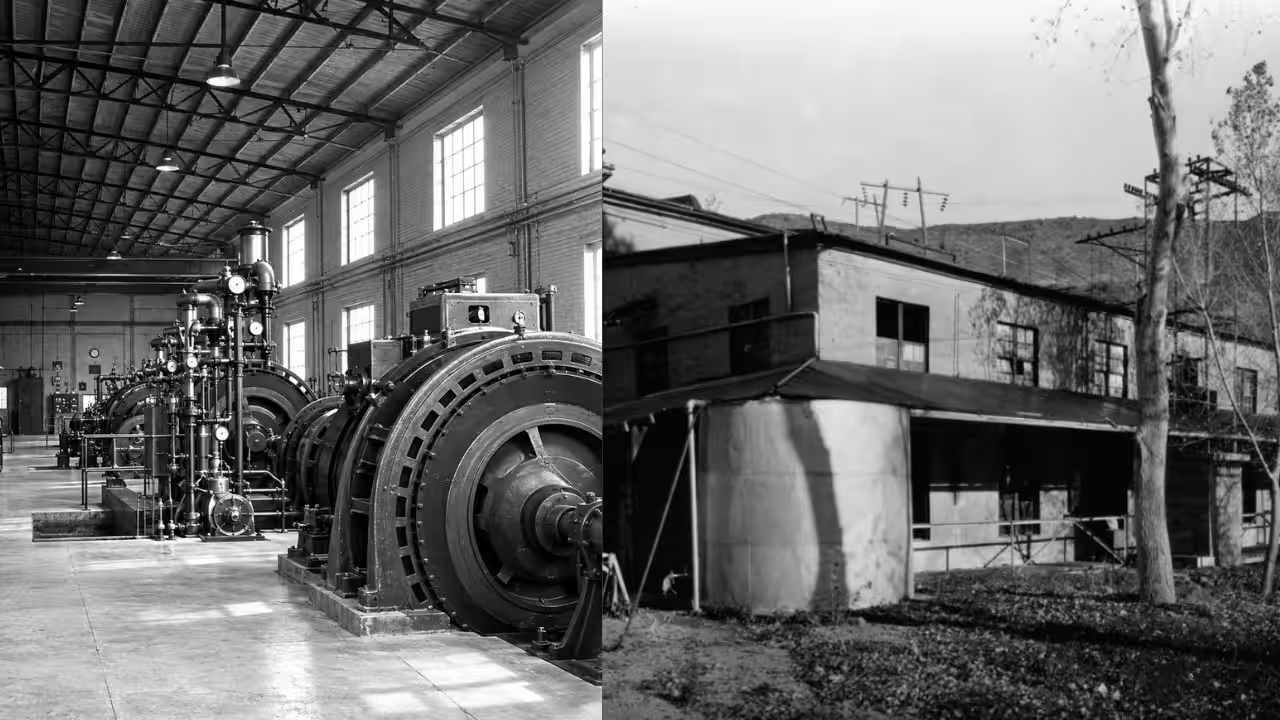
In the rugged mountains of central Arizona, building a hydroelectric plant in the early 20th century meant overcoming obstacles that modern construction crews rarely face. In 1909, engineers completed the Childs Plant, part of the Childs-Irving Hydroelectric Project near the Verde River, harnessing the dramatic drop in elevation of Fossil Creek to generate electricity. The terrain was so difficult that mule teams had to carry construction materials up the mountains, forcing engineers to rethink how parts of the project could be built and connected. According to the Engineering and Technology History Wiki (ETHW), the project eventually became an important source of electricity for Arizona and was later recognised as an ASME Historic Mechanical Engineering Landmark. The Childs Plant used three Pelton-wheel generators and demonstrated how hydroelectric technology could be adapted to an exceptionally challenging landscape. What began as an ambitious engineering project ultimately helped supply the entire electric demand of Yavapai County.Arizona’s 1909 hydroelectric plant conquered rugged mountain terrainThe Childs-Irving Hydroelectric Project was built around the dramatic natural drop of Fossil Creek, which travels roughly 10 miles towards the Verde River while descending about 1,600 feet. That elevation difference offered engineers an opportunity to turn flowing water into electricity at a time when hydroelectric power was becoming increasingly important. The Childs Plant was completed in 1909 with three Pelton-wheel generators producing 9,000 horsepower, or about 6,700 kilowatts. The Irving Plant followed in 1916 with an Allis-Chalmers Francis turbine. ETHW notes that the remote, mountainous location created an extraordinary logistical challenge. Mule teams carried construction materials through the terrain, making conventional wooden transmission poles impractical and encouraging the engineers to use steel towers instead.Mule teams carried construction materials through Arizona’s mountainsThe construction story reveals just how different major engineering projects were before modern roads, heavy trucks and helicopters transformed remote construction. The Childs-Irving project occupied mountainous terrain where simply getting materials to the right location was itself an engineering problem. Mule teams carried construction materials up the mountains, according to ETHW’s account of the project. The difficulty influenced the design of the electrical transmission system, with engineers using steel towers instead of wooden poles. The project also required a seven-mile series of flumes to bring water from a dam below Fossil Spring towards the Irving Plant, before the water continued towards the Childs Plant’s penstocks. The system effectively turned the landscape’s natural elevation into a source of mechanical and electrical power.The Childs Plant once powered Yavapai CountyAlthough the Childs Plant would appear modest by modern standards, its impact was substantial for the Arizona communities it served. ETHW records that the Childs and Irving plants once supplied the entire electric requirements of Yavapai County. A 75-mile transmission line was later constructed in 1919 from Sycamore to Phoenix, carrying 2,000 kilowatts of power. By the middle of the 1920s, that line was delivering approximately 70% of all electricity used in Phoenix, which at the time had a population of about 44,000. The project therefore became more than an isolated mountain power station. It formed part of the growing electrical infrastructure that helped connect remote generating facilities with expanding Arizona communities and industries.Why Arizona’s 1909 hydroelectric project became an ASME landmarkThe Childs-Irving Hydroelectric Project was eventually recognised as ASME Historic Mechanical Engineering Landmark #13, designated on 10 April 1976. The Engineering and Technology History Wiki explains that ASME’s landmark programme recognises existing artefacts and systems representing significant achievements in mechanical engineering. The Childs-Irving project stands out because it combined hydroelectric machinery with an ingenious response to an exceptionally difficult environment. The Childs Plant’s three Pelton-wheel generators represented the technology of their era, while the project’s transmission system had to accommodate the practical realities of transporting equipment through mountainous country. More than a century after the Childs Plant was completed, its story remains a striking example of early hydroelectric engineering, when generating electricity could begin with little more than flowing water, ambitious engineers and mule teams carrying materials into the mountains.Catch the latest World News and Live updates. Download the TOI app.
Topics in this story
- Childs-Irving Hydroelectric Project
- Childs Plant Arizona
- Fossil Creek hydroelectric
- Verde River power plant
- ASME Historic Mechanical Engineering Landmark
- early 20th century hydroelectric engineering
- Pelton wheel generators
- Yavapai County electricity history
- Arizona hydroelectric history
- historic Arizona power plants
- World news
- World news today
Gathered from external sources. Rights to this text belong to whoever originally published it.