In 2019, Oregon rebuilt 7.5 miles of Juntura Cutoff Road with recycled pavement and foamed asphalt, saving more than $2.5 million
Discover how Oregon's innovative use of foamed asphalt in the Juntura Cutoff Road project saved $2.5 million and expedited the construction process by nearly a month, while effectively recycling the existing road material and maintaining vital traffic flow.
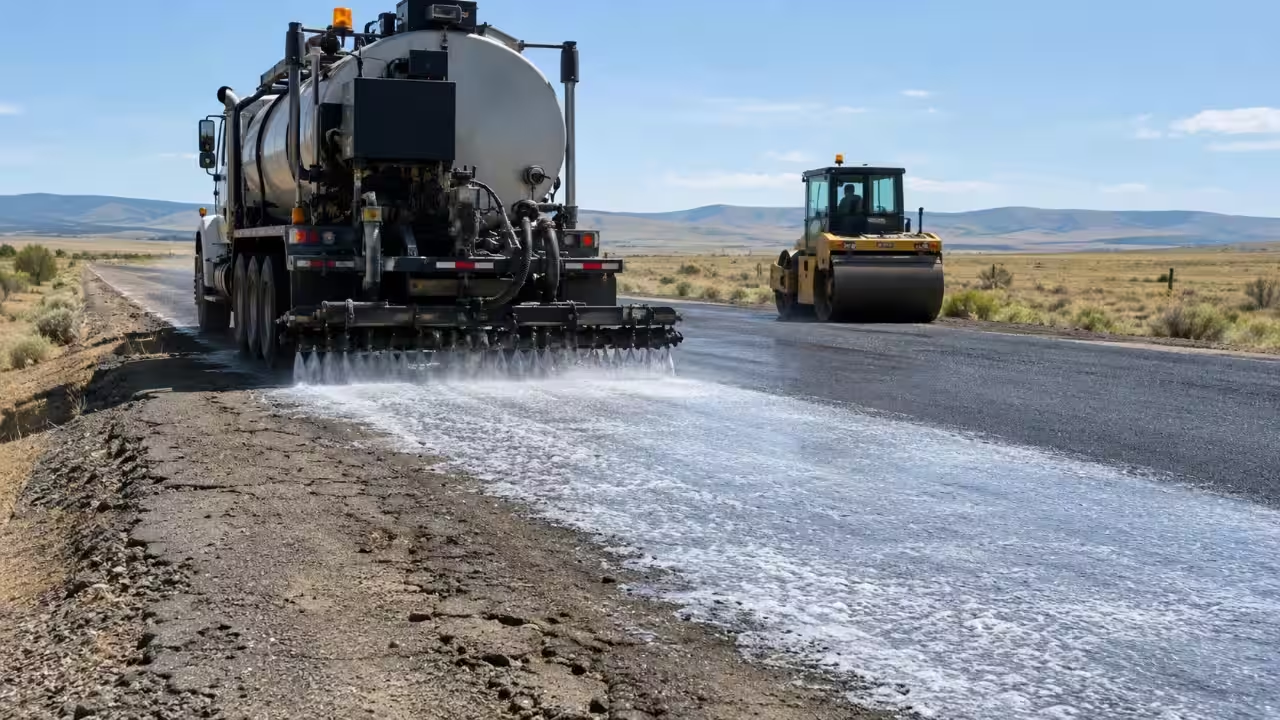
In 2019, Oregon tried a different approach to rebuilding a badly damaged rural road. Instead of removing the old pavement and starting again with new materials, the existing road was recycled in place using foamed asphalt. The method saved more than $2.5 million compared with conventional reconstruction, while also reducing the construction period by almost a month.According to the RoadResource, the project involved a 7.5-mile section of Juntura Cutoff Road, which connected the EP Minerals diatomite mine with US Highway 20. Years of heavy truck traffic had left the road with deep cracks, potholes and sections where the asphalt had completely failed. With the road serving as an important route for mine traffic, keeping it available during construction was also a major consideration.Recycling the road in placeIn the case study, the original reconstruction estimate was about $6.7 million. The alternative used cold in-place recycling with foamed asphalt, a process that allowed the existing pavement material to be reused rather than removed and hauled away. The project ultimately saved more than $2.5 million, or about 37% compared with conventional reconstruction, while recycling 100% of the existing material in place.The process involved milling about eight inches of the existing asphalt along with part of the underlying road base. The reclaimed material was then mixed with foamed asphalt, cement and water before being compacted and shaped into a new base. The Oregon Department of Transportation referred to the approach as CIREAM, a form of cold in-place recycling that uses foamed asphalt. Foamed asphalt is made by adding a small amount of water to hot asphalt binder, causing it to expand temporarily. The expanded binder can then spread through the reclaimed pavement material and bind it together. This allows the old road material to be reused in the new base without processing the entire mixture as conventional hot-mix asphalt.Keeping traffic movingThe recycling method was especially practical because Juntura Cutoff Road was the mine’s main access route, making a long closure difficult. Instead of removing the old pavement and road base and bringing in completely new material, much of the existing road was reused to form the new base. This meant less material had to be hauled away and replaced, while mine traffic could continue using the route during the work.The recycled base also became useful when the construction schedule changed. Crews had initially expected to place the 2.5-inch layer of PG 64-28 hot-mix asphalt within seven days, but the paving was delayed by about a month. In the meantime, the recycled base was left in place and kept hydrated until the final surface could be laid. The delay therefore did not mean that the newly reconstructed base had to be removed or redone. It remained part of the road while the project waited for the final paving stage.The approach was consistent with findings from wider research on foamed-asphalt cold-recycled mixtures. A study published in Construction and Building Materials found that these mixtures could provide useful engineering properties, including good water stability and high modulus, when the materials and pavement layers were properly designed. The findings help explain why foamed-asphalt recycling could work as more than simply a way to reuse old pavement: it could also provide a functional structural layer within a new road.A different way to rebuild roadsThe Juntura Cutoff Project showed that the old road could be reused as a construction material asset. The project avoided removing large amounts of old pavement and hauling in new aggregate, instead reusing material already on site. RoadResource also notes that it is possible to use the road for 20 years if maintenance activities are carried out. The road was found to have a performance comparable to that of a traditional road reconstruction project. These estimations are solely associated with the project and do not provide evidence for the longevity of all foamed roads.For the State of Oregon, the most immediate outcome was that of cost and time savings. The state now had a way to repair a badly damaged road using the existing surface material while keeping the road open and saving more than $2.5 million. This project showed that in-place recycling can help reduce road rehabilitation costs and time.You use AI every day. Now get your AI Quotient. Take the AIQ test.
Topics in this story
Gathered from external sources. Rights to this text belong to whoever originally published it.