Meet Jaz Stewart, the 19-year-old who travelled 4,000 km for a cattle station job in Australia after Covid cancelled her Canada plans; a six-month job turned into a new life among 42,000 cattle and an orphaned camel
At 19, Jaz Stewart was expecting to spend her gap year travelling overseas before going to university.
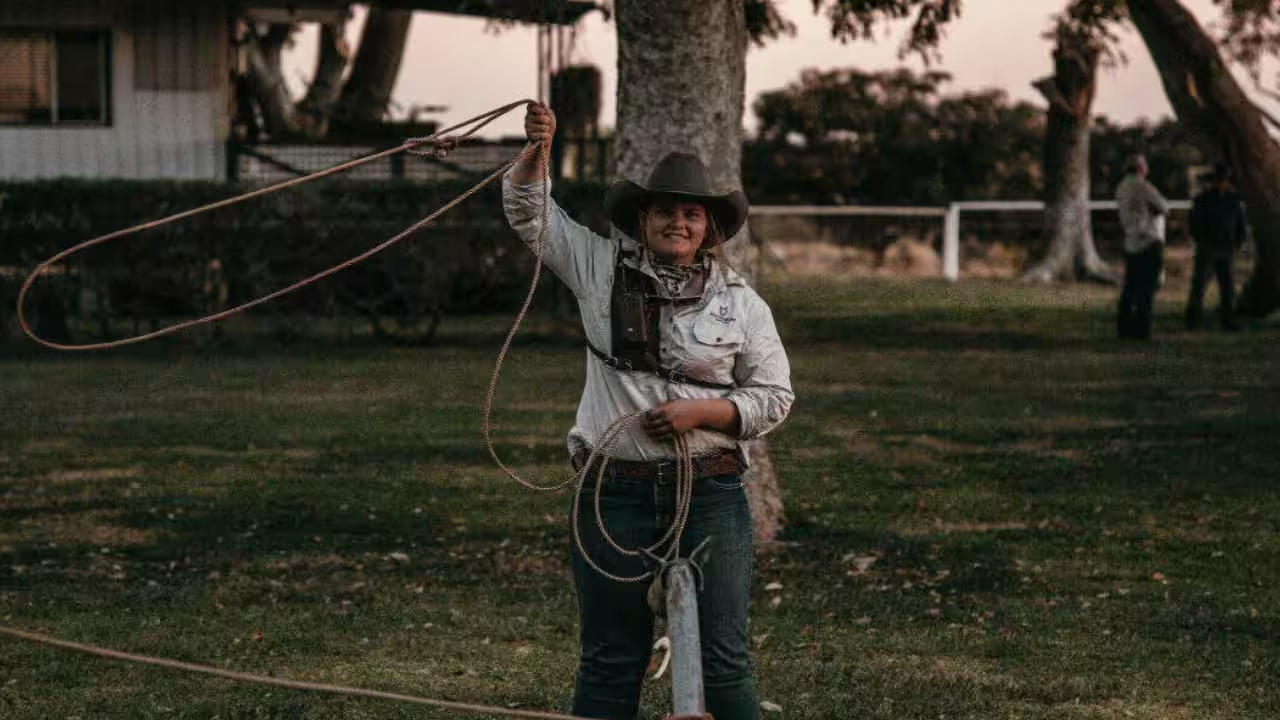
At 19, Jaz Stewart was expecting to spend her gap year travelling overseas before going to university. Canada was the plan, with the prospect of a year or two away from home. Instead, the pandemic changed her plans and sent her in a very different direction. She travelled thousands of kilometres from Moree in New South Wales to Flora Valley Station in Western Australia's Kimberley region, taking up a job in the kitchen of a cattle property, as reported by the National Farmers' Federation. What began as an alternative to overseas travel gradually turned into something longer term. She found herself learning the routines of station life, working around cattle and caring for an orphaned camel, while developing a photography career alongside her work.How a 19-year-old landed a cooking job at a remote Australian cattle stationBefore arriving in Western Australia, Stewart had spent two years working at a café in Moree after finishing school. She had grown up around the agricultural industry through her family's earthmoving contracting business, but had not been raised on a farm. Her schooling, meanwhile, had taken her to a boarding school in Sydney.The original intention was to travel to Canada and eventually return to Australia for university. Covid disrupted those arrangements, leaving her to consider other ways of spending the time before further study. In 2021, she accepted a position at Flora Valley Station, roughly 4,000 kilometres from her hometown, as reported by the National Farmers' Federation.The job was initially meant to last six months. Stewart arrived as a station cook, with little indication that the move would alter her plans for work and study. The property was about two hours from Halls Creek, one of the nearest small towns, and the distance from familiar surroundings was considerable.Daily routine of a remote 42,000-head cattle stationCooking was Stewart's original responsibility, but her curiosity about the work happening outside the homestead soon took her elsewhere on the property. She began spending time watching the station's workers manage cattle, taking her camera along as she became familiar with the daily activities.It did not take long for observation to turn into participation. Having watched the work being carried out, she gradually picked up the practical skills and was given tasks of her own. The station operated on a substantial scale, running approximately 42,000 cattle, and offered a working environment quite different from the café where she had previously been employed.The change was not simply about learning another job. Stewart was getting an introduction to the demands of remote agricultural work, where days could involve physical tasks, unexpected problems and long stretches away from town. Her initial six-month commitment also began to look less realistic as she settled into the routine.How an orphaned camel became part of station lifeAmong the animals Stewart encountered at Flora Valley was Calli, a young camel whose arrival had been anything but planned. The animal had been separated from her mother and left without care following a bushfire. Stewart's manager came across her while away on a stock camp and began feeding and looking after her.Keeping the camel at that location was not possible under the company's policies, so she was transported to the Flora Valley homestead in the back of a minivan. Stewart took responsibility for bottle-feeding her over the following months.Calli spent much of her early time alongside the station's poddy calves, young animals being raised by people rather than their mothers. As she grew, she was moved into a paddock with them. Her early behaviour had been difficult to miss, with loud calls that irritated some of the station workers. Eventually, she became more settled and comfortable among the other animals.Stewart developed a close bond with her. Calli would recognise her when she entered the paddock and come over when called, often looking for attention and scratches. There were some adjustments to make, too. The property had plenty of horses, and their initial reaction to having a camel around was less than welcoming. The animals gradually became accustomed to one another.Photography became another part of her working lifeThe Kimberley landscape also gave Stewart an opportunity to develop an interest that had started alongside her station duties. She regularly photographed the country around her, from its distinctive red and brown landscapes to the people and animals that made up everyday life on the property.What began as taking pictures while observing cattle work developed into something more serious. She started building her photography skills and eventually took on professional work, documenting the people, scenery and quieter moments of station life.Her photographs also offered glimpses of what happened away from the day's agricultural responsibilities. The people working on remote properties often had their own ways of spending their limited time off, and Stewart's images captured some of these everyday details.University plans began to look differentBefore moving west, Stewart had considered studying primary education at university. By the time she spoke about her experience in September 2022, however, she was no longer certain that this was the direction she wanted to take.Living in the Kimberley had introduced her to opportunities she had not considered while growing up. Agriculture was now a possible career, while tourism was another area she was interested in exploring. She had also developed professional and personal connections in different parts of Australia through her work.That did not mean the transition had been entirely straightforward. Living around two hours from Halls Creek brought a degree of isolation, and the distance from family and familiar surroundings could be difficult. The climate was another adjustment. Stewart mentioned enjoying temperatures of around 25 to 30 degrees Celsius while her family back home in New South Wales were experiencing much colder conditions.By then, she had moved well beyond the six months she originally intended to spend at the station. The possibility of staying in the Kimberley for longer had become part of her plans, although travelling elsewhere remained an interest.A life she had not expected to chooseStewart's experience was a departure from the future she had imagined at school. She had not planned to settle in the Kimberley, much less build a working life around a remote cattle property. Yet the combination of practical experience, photography and the relationships she formed there had changed how she viewed her options.She also encouraged other young people to consider spending time in the Australian outback, even if they were unsure whether it would suit them long term. Station work, as she described it, could mean learning unfamiliar tasks, dealing with problems and getting through demanding days.For Stewart, the social side of the experience mattered as much as the work itself. Shared evening meals and conversations with fellow station workers had become part of the routine. A move originally made because an overseas trip was no longer possible had introduced her to a different career direction, a new home and an unlikely companion in Calli the camel.You use AI every day. Now get your AI Quotient. Take the AIQ test.
Topics in this story
Gathered from external sources. Rights to this text belong to whoever originally published it.