Tunnels and tough terrain: Indian Army joins Nepal's flood rescue effort
News News: Technical teams of the Indian army have worked through difficult conditions in Nepal, joining hands with the Nepali Army at the Chilime and Langtang t.
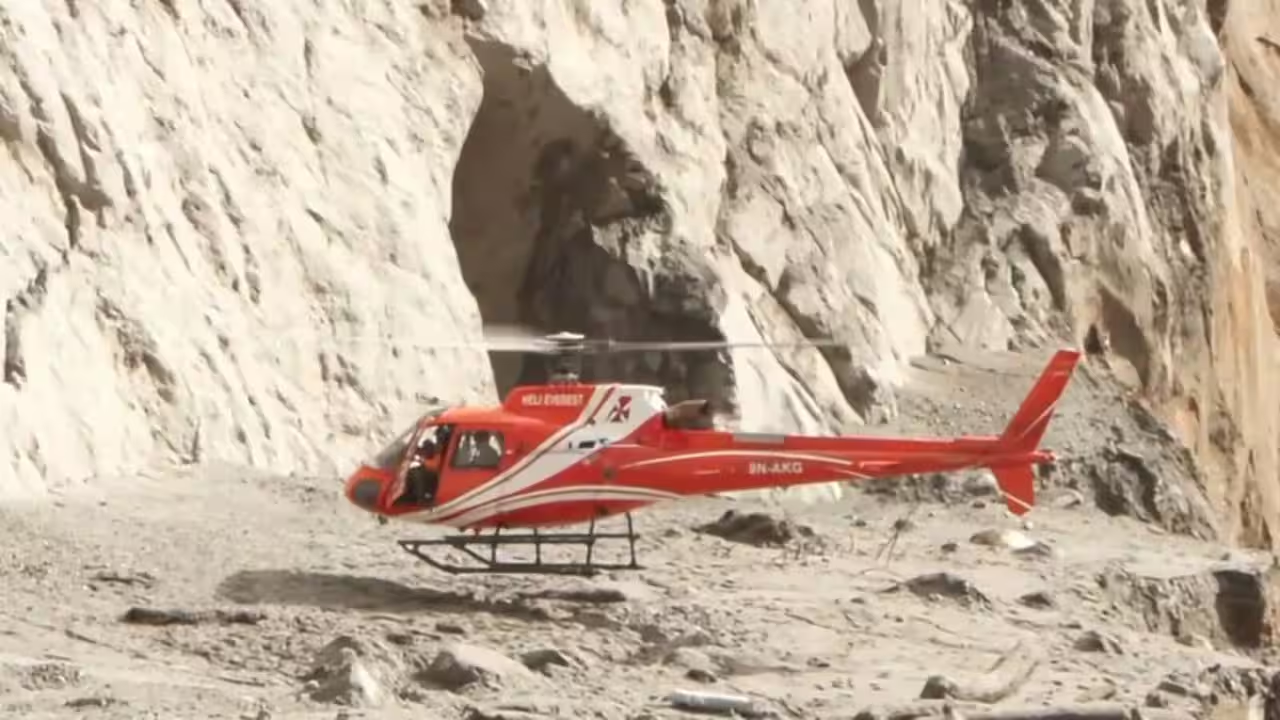
Technical teams of the Indian army have worked through difficult conditions in Nepal, joining hands with the Nepali Army at the Chilime and Langtang tunnel sites as part of an ongoing search and rescue operation following flash floods that hit the region. At Chilime, the team managed to establish a foothold at the tunnel entrance and set up safety ropes inside despite poor weather and hard terrain access. At Langtang, the joint team probed 185 metres into the tunnel, working alongside Nepali forces in what has been a slow, careful search given the unstable conditions inside.The deployment came at Nepal's request, with India sending specialised personnel trained for tunnel search and rescue, work that demands both technical skill and physical stamina given the confined and often unstable spaces involved. This is not new territory for the two militaries. India and Nepal have coordinated on disaster response for years, and officials say that experience showed in how smoothly the two teams worked together on the ground this time. The army and the air force had relentlessly worked in what are called Humanitarian Assistance and Disaster Relief (HADR) operations after the 2015 earthquake that had leveled parts of Nepal's capital and had caused wide spread damage across the country. The ministry of external affairs has also issued helpline numbers for Indian nationals stuck in Nepal.India's Ambassador to Nepal Naveen Srivastava travelled to the Nepali Army's base in Bidur, Nuwakot, which is functioning as the main staging point for rescue and relief work in Rasuwa district. There, he met the Indian technical teams handling the Langtang and Chilime operations and was briefed on their progress so far, as well as the obstacles still ahead. The ambassador also met Nepal's Home Minister and the Minister for Energy and Water Resources during the visit, with discussions understood to have covered relief logistics and the overall extent of the flood damage.Rescue work is set to continue over the coming days. The operation is the latest example of a disaster response relationship between India and Nepal that goes back years. The army had also participated in tunnel rescue operations in the past. The Corps of Engineers of the army took part in the rescue operations that took over two weeks and saw the successful rescue of 41 trapped workers. The army, due to its operations in mountainous regions of the high Himalayas has acquired an expertise in operating in the difficult mountainous terrain.
Topics in this story
Gathered from external sources. Rights to this text belong to whoever originally published it.