In 2021, an Australian widower began restoring a 119-acre property in memory of his late wife; three years later, more than 13,500 native plants had been planted to create habitat for endangered cockatoos
Rest of World News: In a heartfelt tribute, Karst Kreun restores 150 acres of farmland into a thriving habitat for endangered gang-gang cockatoos, planting over 13,500 native shrubs and trees in loving memory of his wife, Lindy.
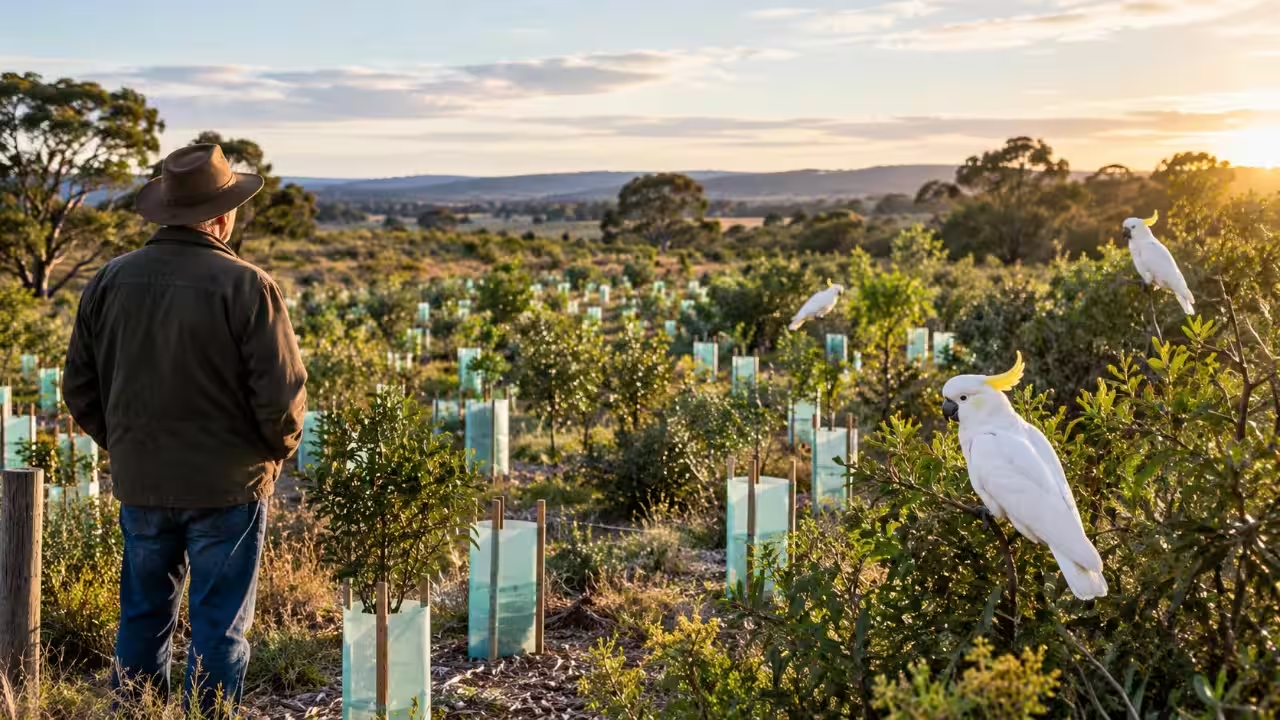
When Karst Kreun first looked across the farmland he had bought in Victoria, Australia, the property had little native vegetation. It had been used for farming, and only a small number of mature trees remained. Three years later, native trees and shrubs had been planted across parts of the property, beginning a gradual change in the landscape.For Kreun, the project was also connected to the memory of his late wife, Lindy. According to Cassinia Environmental, Kreun settled on the property near Mansfield in northeast Victoria in March 2021 and began planting trees the following day. He named the property Karlindy, combining his name with Lindy’s, and began restoring native vegetation across the farmland. Over the following four years, he planted 12,500 trees across the 48-hectare property, gradually replacing parts of the cleared farmland with native vegetation and creating habitat for local wildlife.A landscape emptied of treesThe work at Karlindy is particularly important because replacing mature woodland is not simply a matter of putting trees back in the ground. The gang-gang cockatoo has experienced a dramatic decline across its range, with an assessment by the NSW Threatened Species Scientific Committee estimating that its population fell by about 69% between 1999 and 2019. The 2019-20 Black Summer bushfires caused further mortality and habitat loss. Mature trees are especially valuable because their hollows can take decades or longer to form, meaning newly planted trees cannot immediately replace the nesting opportunities lost when old woodland disappears.That long timeline puts Kreun’s 12,500 plantings into perspective. The trees may restore vegetation cover relatively quickly, but the ecological features of an established woodland will take much longer to develop. Research in Victoria, published in Biological Conservation, found that woodland-bird species richness in restored agricultural landscapes had become similar to that of remnant landscapes over 12 years, while also showing that remnant vegetation continued to provide resources that new plantings could not immediately replicate. At Karlindy, the value of the restoration therefore lies not only in the number of trees planted, but in giving a cleared landscape the chance to develop those ecological functions again over time.Planting a forest, one tree at a timeKreun initially financed the restoration himself, planting native trees and shrubs on the property before other organisations, volunteers and community groups became involved. By 2024, more than 13,500 native plants had been planted, but the restoration remained a long-term effort. Deer browsing, weeds and the vulnerability of young plants have continued to pose challenges. The native vegetation is now beginning to establish itself across parts of the former farmland, creating new habitat for birds. But the young plantings are still far from resembling a mature forest. Trees need decades to develop large trunks, established canopies and natural hollows, all of which are important features of older woodland. At Karlindy, restoration is therefore a gradual process that will require continued planting, weed control and protection as the vegetation develops.A memorial that grows beyond one familyFor Kreun, restoring the property is closely connected to the memory of his late wife, Lindy, but the project has gradually taken on a wider purpose. Instead of continuing the land’s former agricultural use, he has been restoring native vegetation across the site, turning parts of the property back into habitat. The work is also contributing to a broader effort to restore native vegetation on private farmland in Victoria, where decades of land use have left natural habitats fragmented. Cassinia Environmental says Kreun is now working with the BushBank programme and other partners to expand the revegetation effort.As the young vegetation develops, the restored areas could provide additional habitat and movement opportunities for native wildlife, including the gang-gang cockatoo. The trees, however, will need many years to develop the large trunks, established canopies and natural hollows found in mature woodland. That makes Karlindy a long-term restoration project rather than a quick transformation. What began as a personal tribute to Lindy is gradually giving the property a new ecological purpose, with the potential to support native wildlife as the vegetation matures.Catch the latest World News and Live updates. Download the TOI app.
Topics in this story
Gathered from external sources. Rights to this text belong to whoever originally published it.