In 2023, California shifted a levee 1,500 feet back and flooded fields in winter; the new floodplain produced unexpectedly huge amounts of food for young salmon
In 2023, California's levee setback project unexpectedly enhanced food availability for young salmon in the Yolo Bypass, showcasing a unique blend of flood management and ecological benefits.
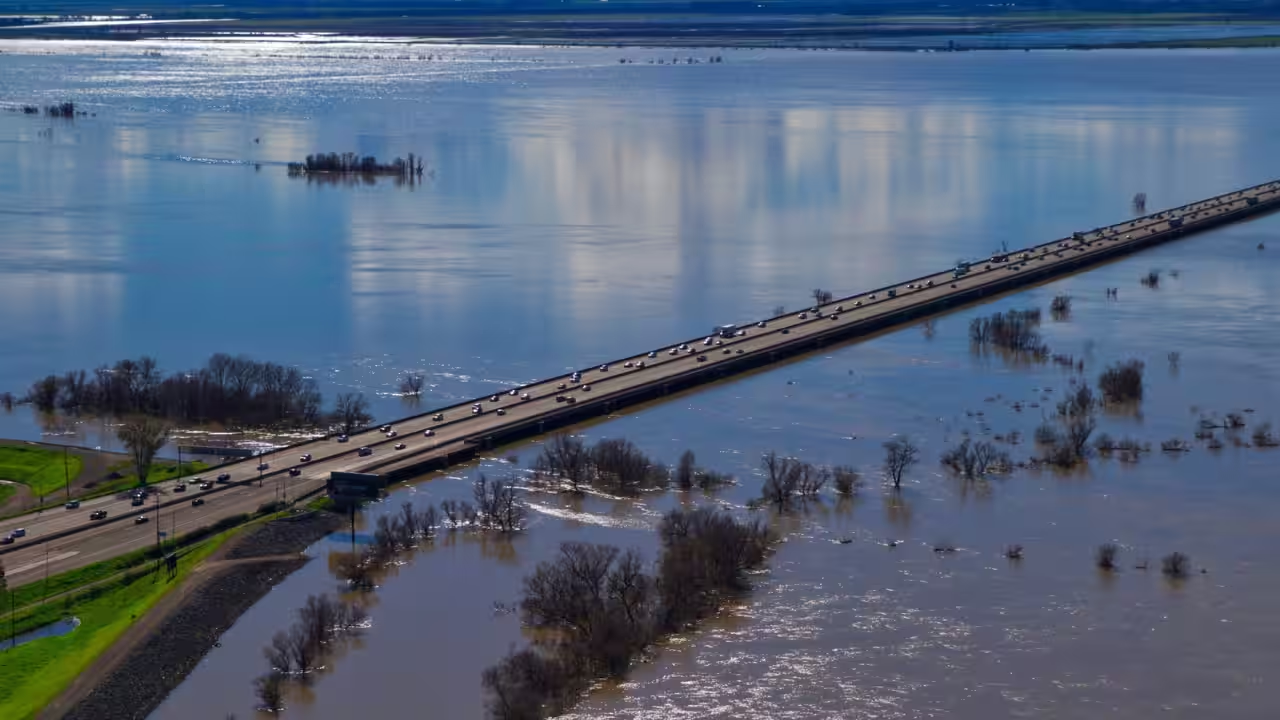
California completed the main levee setback work on a stretch of the Yolo Bypass near West Sacramento in 2023 and moved the eastern levee roughly 1,500 feet away from the river. The change widened the floodplain and allowed seasonal floodwater to spread across fields that had been separated from the river by levees. Researchers found unexpectedly high concentrations of zooplankton, which are tiny aquatic animals that provide an important food source for juvenile salmon, when winter storms later inundated the expanded area.The project is called the Lower Elkhorn Basin Levee Setback, or LEBLS, and covers about five miles along the Yolo Bypass and another two miles along the Sacramento Bypass. The new setback levee was completed in October 2023, and portions of the old levee were removed as construction progressed. California's Department of Water Resources designed the project with a goal to increase flood capacity and lower water levels in the Sacramento River during major flood events. It also created more seasonal floodplain habitat for fish and wildlife.The fields became a seasonal fish nurseryThe expanded Yolo Bypass floods during periods of high water and then drains as river levels fall, and that cycle is important for juvenile salmon because shallow floodplain water warms more quickly and can support large amounts of aquatic food. DWR scientists expected the newly inundated fields to provide productive habitat, but what they did not expect was how much zooplankton would appear during the first monitoring period. DWR and UC Davis researchers sampled the floodplain in December 2024, after winter storms had filled the bypass. The samples contained large quantities of zooplankton, and subsequent visits found similar results. Researchers continued monitoring the site to determine whether the high food production would persist under different seasonal conditions.UC Davis research has already documented the importance of floodplain food production for young Chinook salmon in the wider Yolo Bypass, where they have found that zooplankton and other organisms can provide the food young salmon need while they grow in seasonally flooded areas, before continuing downstream. UC Davis overview of floodplain research states that juvenile salmon feeding in the Yolo Bypass can show greater growth than fish that remain in the adjacent river channel.A levee project with two jobsThe LEBLS project was built around flood management rather than just salmon, and by moving the levee away from the river, engineers increased the amount of space available for floodwater. DWR says the larger project is intended to improve flood protection for communities around Sacramento and West Sacramento while also increasing the capacity of the Yolo and Sacramento bypasses. The expanded floodplain also gives seasonal water more room to spread across agricultural land instead of remaining confined to the river channel.DWR's project records list more than 1,200 acres of additional bypass storage and floodplain inundation that have been associated with the project, and the agency continues to describe LEBLS as a multi-benefit project that combines flood protection with ecosystem improvements. The early salmon findings do not establish a long-term effect on salmon populations, since researchers are still collecting data on how the floodplain food supply changes across seasons and how juvenile fish use the restored area. The first measurements, however, show that when water reaches the expanded floodplain, the fields can produce substantially more food for young salmon than researchers initially expected.You use AI every day. Now get your AI Quotient. Take the AIQ test.
Topics in this story
Gathered from external sources. Rights to this text belong to whoever originally published it.