Princess Diana’s homelessness charity now supports more than 15,000 young people each year, with 69% moving towards independent living
Homelessness charities often work with young people at a point when finding somewhere safe to stay is only the beginning of a much longer process.
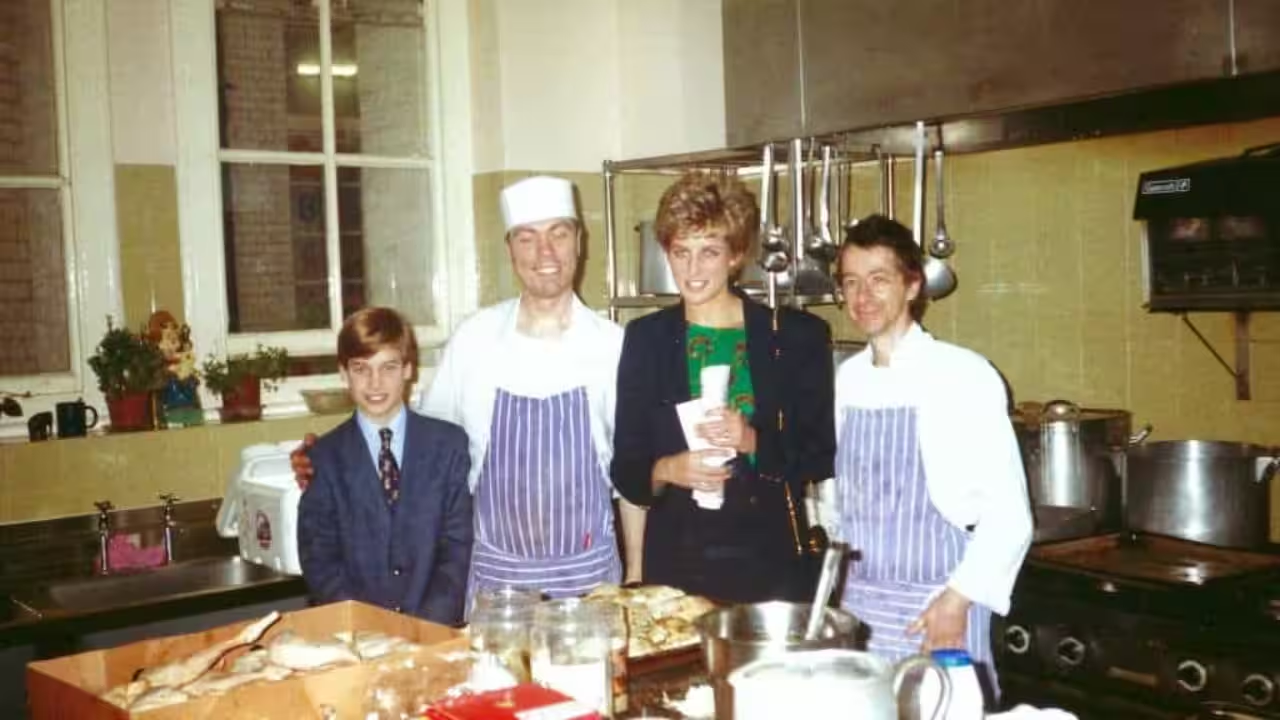
Homelessness charities often work with young people at a point when finding somewhere safe to stay is only the beginning of a much longer process. Securing accommodation does not necessarily mean someone is ready to manage a home, return to education or find work without continued assistance. Centrepoint, the UK charity associated with Princess Diana and now supported by her son, Prince William, works with young people facing these challenges. Its services have expanded considerably since the organisation began in London in 1969. As reported by Centrepoint UK, in 2024/25, it and its partner organisations supported more than 15,000 young people, with its latest figures offering an insight into the help provided and what happens when they leave.Princess Diana’s homelessness charity reaches 15,000 young people in a yearCentrepoint began in 1969 in the basement of a church in Soho, London. The organisation was established to provide a place for young people experiencing homelessness, at a time when the support available to them was limited. The scale of its current work is reflected in its housing provision. Reportedly, Centrepoint operates 90 supported housing services across the UK, with more than 800 bed spaces available to young people. These services are intended to offer more than temporary shelter, giving residents access to support as they work towards greater stability. In 2024/25, the charity and its partner organisations reached more than 15,000 young people.The organisation's 2024/25 figures cover several areas of its work, including housing, education and emotional wellbeing. One measure concerns the experience of people using its services: 83% of young people surveyed said they were satisfied with the overall support Centrepoint provided.Its therapeutic services also recorded a positive response. Among young people who engaged with the charity's therapeutic services team, 93% reported that the support had made a positive difference.Education and employment preparation form another part of its work. During the year, young people receiving assistance from Skills and Employability Trainers achieved 379 certificates and qualifications. These provide a measure of progress in building skills, although the charity's work extends beyond formal learning.How Centrepoint helps young people take the next step after homelessnessMoving out of supported accommodation is an important stage for people who have experienced homelessness, but leaving a service does not automatically mean someone is prepared to live independently. Centrepoint assesses whether young people have the practical and personal readiness needed to manage that transition.For 2024/25, the charity reported that 69% of young people who left its services were ready to move into independent living. The figure offers an indication of how many had reached that stage when their support ended. It also reflects the organisation's emphasis on helping residents develop the ability to manage their next accommodation arrangements rather than simply finding them somewhere else to stay.Not every young person experiencing homelessness is already living in supported accommodation or receiving help from a housing service. Some need information about their rights, somewhere to turn for emotional support or guidance on finding suitable accommodation.Centrepoint's helpline is intended to provide that point of contact. During 2024/25, it assisted 5,166 young people, offering advice on housing rights, emotional support and access to supported accommodation. The service gives young people a way to seek help even when they are not already part of the charity's housing network.Princess Diana's connection with the charityPrincess Diana's association with homelessness charities also helped bring greater public attention to the issue. Her involvement with ‘The Passage’, another organisation working with people experiencing homelessness, became particularly significant for her family.In 1993, she took Prince William to visit The Passage for the first time. The visit introduced him to the experiences of people who relied on homelessness services and became an important part of his later involvement in the sector. The Passage has since described Diana's influence as part of the inspiration behind William's continued interest in the issue.William became Royal Patron of The Passage in February 2019. He is also Patron of Centrepoint, continuing a family connection with organisations working to support people without secure housing.Prince William's work to address homelessnessWilliam's involvement has extended beyond individual charity visits. Through Homewards, a five-year programme launched by The Royal Foundation, he has been working with organisations and communities to demonstrate how homelessness can be prevented and addressed.The Passage has a role in the initiative, contributing experience from its frontline services and helping inform longer-term approaches. The programme brings together organisations working in different areas, recognising that housing insecurity can involve a range of practical and social challenges. The royal family's association with these charities has developed over several decades, from Diana's visits to William's current patronages and public work.You use AI every day. Now get your AI Quotient. Take the AIQ test.
Topics in this story
Gathered from external sources. Rights to this text belong to whoever originally published it.