An Australian woman struggled to fund her first camp for children fighting cancer, ending up $300 in debt; but the programme eventually grew into a national charity
An Australian woman who struggled to pay for her first camp for children with cancer ended the event more than $300 in debt, despite giving its young
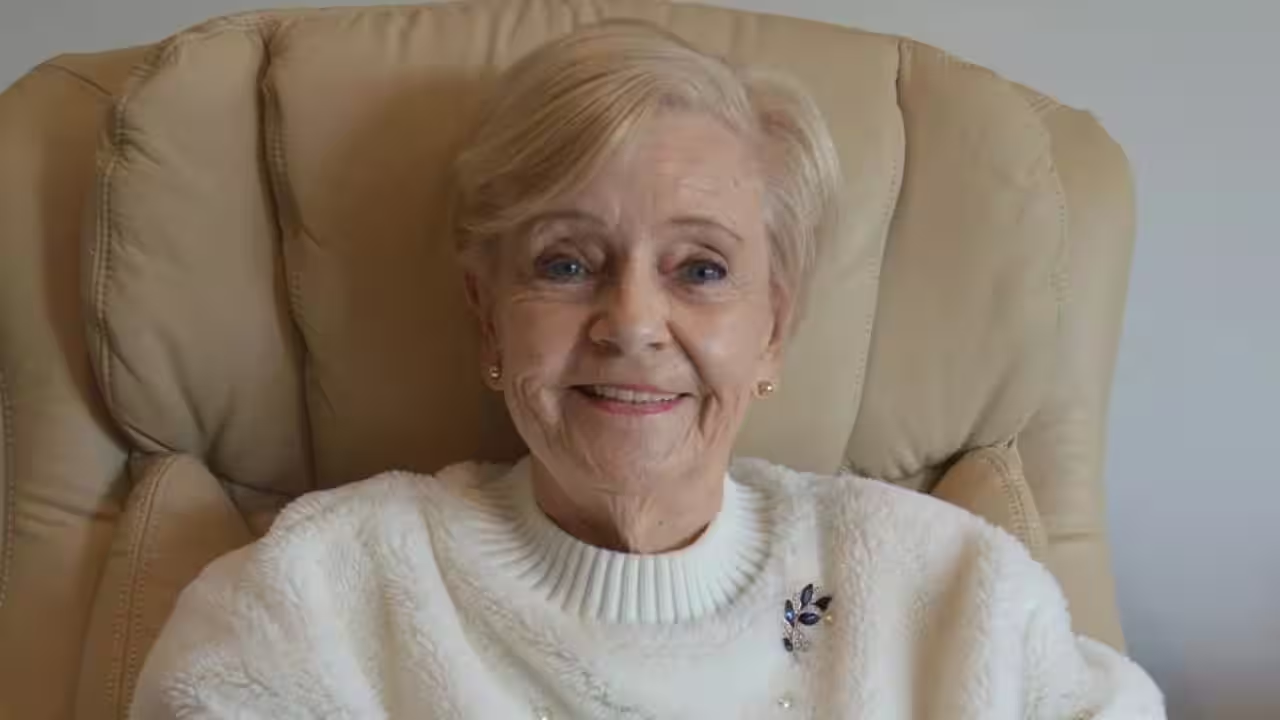
An Australian woman who struggled to pay for her first camp for children with cancer ended the event more than $300 in debt, despite giving its young participants an experience they needed. Vera Entwistle's determination to make childhood more enjoyable for children facing cancer eventually laid the foundations for Camp Quality, a charity that grew from a small gathering in 1983 into a nationwide support organisation. Its early years were marked by financial difficulties but the programme continued to expand, creating opportunities for children and their families to spend time together away from the demands of cancer treatment.How Vera Entwistle turned a $300 debt into Camp QualityAccording to Camp Quality Australia's official history, Entwistle arrived in Australia from the United States in 1983 and began looking for volunteer opportunities supporting children with cancer. She was surprised to discover that no charity in the country offered the kind of support she had hoped to provide, prompting her to establish one herself.Her idea was simple but meaningful. Children dealing with cancer deserved opportunities to enjoy childhood, make friends and participate in activities that were not centred on hospitals or medical treatment.The first attempt was far from easy. When Entwistle approached a hospital in 1983 with her proposal to take children with cancer to a camp, she was initially discouraged and told to find something else to do.However, she refused to abandon the idea. Her determination was strengthened after hearing about a little girl with terminal cancer who had laughed again after going camping. Entwistle wanted other children to experience the same happiness.The first camp faced financial difficulties but succeededCamp Quality Australia records that its inaugural children's camp was held towards the end of 1983. Although Entwistle finished the event more than $300 in debt, it was considered a major success by both her and the children who attended.The camp also attracted encouraging feedback from doctors, who began reporting improvements in the children's wellbeing. Participants were eager to return, providing an early indication that the programme was meeting a genuine need.Entwistle eventually found a hospital willing to support her idea. She was taken to a children's oncology ward, where she asked young patients what they wanted to do during their camp.Children wanted to paddle canoes and try archery, experiences that Entwistle believed could be arranged without difficulty. The response helped shape the programme around what children themselves wanted.A devastating loss did not stop the charity from growingCamp Quality's founder profile states that 37 of the 38 children who attended that initial gathering eventually died.The organisation's Australian history explains that cancer survival rates in 1983 were considerably lower than they are today. Only one child from the first camp survived the disease, making the early years particularly painful for Entwistle and those involved.Despite those losses, the founder remained committed to improving the quality of life for children growing up with cancer.Entwistle received inspiration for the name from a doctor who expressed the idea that although nobody could increase the quantity of another person's life, everyone could improve its quality.That philosophy became central to the charity's work, focusing on happiness, companionship and memorable experiences even when medical outcomes remained uncertain.What helped Camp Quality reach more Australian familiesThe charity's expansion gathered momentum in 1988, when a television crew from Good Morning Australia visited one of its camps. Entwistle subsequently received more than 500 letters from doctors, nurses, children and parents expressing interest in supporting or attending the programme.Support from Ansett Australia, which helped provide free air travel, proved particularly important. It enabled Camp Quality to establish 11 additional camp locations around Australia and introduce Family Camps, allowing parents and other relatives to participate alongside children.From children's camps to a broader support networkEntwistle's work eventually extended beyond organising recreational activities. Camp Quality Australia says that, during her 17 years leading the charity, she and her husband, Brian, developed children's camps, family camps and a school cancer education programme.She also helped communities establish their own versions of Camp Quality, including programmes overseas in Ireland, India and New Zealand.The organisation records another important development in 1989, when its puppet programme was established. Entwistle had spoken with children returning to school after cancer treatment and recognised the need to help classmates understand what they had experienced.Scripts based on children's real-life experiences were developed for the programme. With funding from Paul Newman and Ronald McDonald Children's Charities, the cancer education initiative was subsequently offered free to schools.How Camp Quality became an established charityAfter 17 years leading the organisation, Vera and Brian Entwistle retired in 2000. Their departure marked the beginning of a new phase, with Simon Rountree appointed chief executive.The charity continued adapting its services as the needs of families changed. In 2014, it joined forces with cancer charities Redkite and Canteen to reduce duplication and improve cooperation between organisations.During the Covid-19 pandemic, Camp Quality also developed digital services to reach children who were isolated, living in remote areas or unable to attend in-person activities. Its Australian history records the introduction of online initiatives, virtual camps and digital puppet playdates.By 2023, when the charity celebrated 40 years since its first camp, more than 10,000 children aged up to 15 were registered for its free services and programmes. It also had almost 800 registered volunteers, highlighting the scale of the community that had developed around Entwistle's original idea.The legacy of the first camp extends beyond AustraliaCamp Quality's story also reached New Zealand, where its first camp was held in Auckland in 1985. The event brought together 22 children from across the country.The organisation has since expanded to 5 regions, from the far North to the deep South, providing camps and recreational activities for more than 300 children and young people annually. It describes itself as the only organisation in New Zealand providing camps for children living with cancer.The hot air balloon featured in its logo symbolises the ability to rise above life's challenges, reflecting the philosophy associated with Entwistle's work.You use AI every day. Now get your AI Quotient. Take the AIQ test.
Topics in this story
Gathered from external sources. Rights to this text belong to whoever originally published it.