In 1990, Nile monitors appeared in Florida, likely via the pet trade; today they threaten sea turtles, wading birds and burrowing owls in Cape Coral
Discover how Nile Monitor lizards, introduced through the pet trade, are endangering Florida's native species like sea turtles and burrowing owls, particularly in Cape Coral.
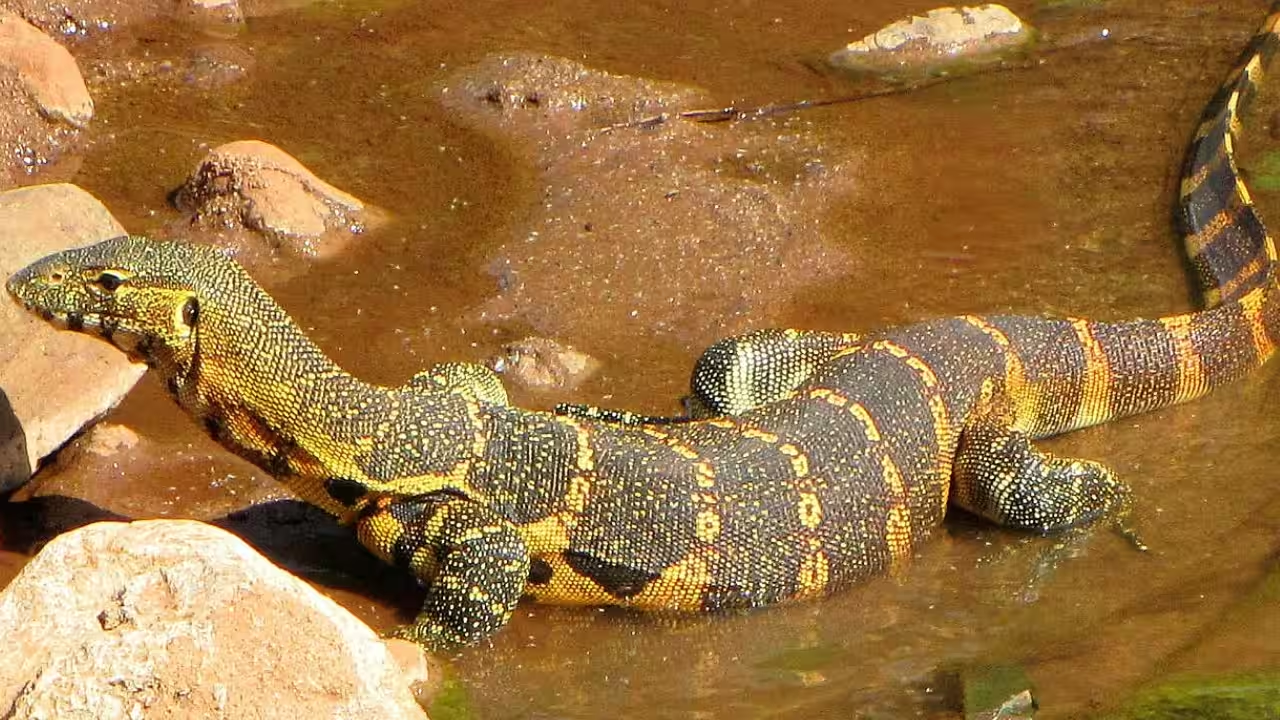
Some imported animals have proved problematic, multiplying rapidly in areas where they were never intentionally released. One such problematic animal is the Nile Monitor lizard, which hails from Africa. First spotted in Florida around 1990, this species has established itself in Cape Coral and poses a threat to Florida’s native animals. This species is problematic because it can hunt on the ground, in trees and in water.How Nile Monitors became established in FloridaNile monitors (Varanus niloticus) are indigenous to sub-Saharan Africa, where they exist in various environments from the river banks to wetlands. These monitors are strong swimmers, skilled climbers and opportunistic feeders that prey on various animal species. The species has been present in the Cape Coral area of Lee County since around 1990. The Nile monitor is thought to have reached Florida through the exotic pet trade, though exactly how the animals arrived is unknown.Pet owners can introduce non-native species to the wild by releasing animals that have grown too large or too difficult to keep. A 2004 study by Kevin Enge and colleagues in Southeastern Naturalist, “Status of the Nile Monitor (Varanus niloticus) in Southwestern Florida,” describes the early stages of the population’s establishment. Between April 2001 and July 2003, the team compiled 146 sightings or captures of the lizards, mostly reported by local residents. These figures reflect the early years of the invasion. Lizards of all size classes were recorded, suggesting a reproducing population. The data also indicate that the lizards have expanded their range northwards and to nearby islands.Why Cape Coral provides suitable habitatThere are plenty of canals, waterways and residential areas in Cape Coral, which put people and animals in close contact. The waterways provide access to prey and allow them to move from one habitat to another. These lizards either dig holes themselves or use pre-existing holes for shelter and nesting. It is difficult to control them because of their adaptability to different environments, especially where developed lands meet wetlands and other natural areas. The City of Cape Coral lists Nile monitors among the large invasive lizards found locally. Its guidance on invasive lizards treats them as a wildlife issue and notes that the city traps them. These lizards can be several feet long and eat fish, reptiles, birds, small mammals and eggs. Due to a wide range of prey items, they can impact various parts of an ecosystem rather than depending on one food item.Native wildlife faces several risksThere is cause for concern due to the feeding habits of Nile monitors because they have the same diet as vulnerable native animals. These reptiles can feed on turtle eggs and hatchlings and steal eggs from bird nests. Enge and colleagues identified turtles, wading birds and burrowing owls as potentially at risk. Burrowing owls are notable in Cape Coral because it houses the largest number of these birds in Florida. Burrowing owls nest underground, so reptiles that hunt for eggs and young on the ground could prey on them. They also warned that sea turtles and wading birds could be affected if the lizards spread into nearby sensitive areas where these animals nest or forage. This does not mean Nile monitors are responsible for every decline in native species.Genetic research traces the lizards' originsIn addition, studies have been carried out to find out where the Nile monitors in Florida originated from and how their introduced populations arose. A 2016 study by Stephanie Dowell and colleagues in Royal Society Open Science, “Combining genetic and distributional approaches to sourcing introduced species: a case study on the Nile monitor (Varanus niloticus) in Florida,” looked at where Florida’s lizards came from. The researchers analysed genetic material from 25 Florida lizards and compared it with reference samples from across the species’ native range in sub-Saharan Africa.The study found that the breeding populations at Cape Coral, West Palm Beach and Homestead Air Reserve Base came from three separate introduction events. All of them originated from the southern coastal region of West Africa.Trapping aims to limit further spreadThe City of Cape Coral manages Nile monitors by trapping them. Locating and then capturing the individuals could be of assistance in managing the population of Nile monitors in the area. However, the lizards’ reproductive ability and their movement through waterways make their populations difficult to manage. Owners of exotic reptiles should understand that if these animals are released into the wild, they can harm the environment.You use AI every day. Now get your AI Quotient. Take the AIQ test.
Topics in this story
Gathered from external sources. Rights to this text belong to whoever originally published it.