Pumpkin spice invades summer as Americans kickstart fall traditions earlier than ever
Demand for pumpkin spice latte spiked two weeks earlier than 2021, and 49% of consumers now start Halloween shopping before October even begins.
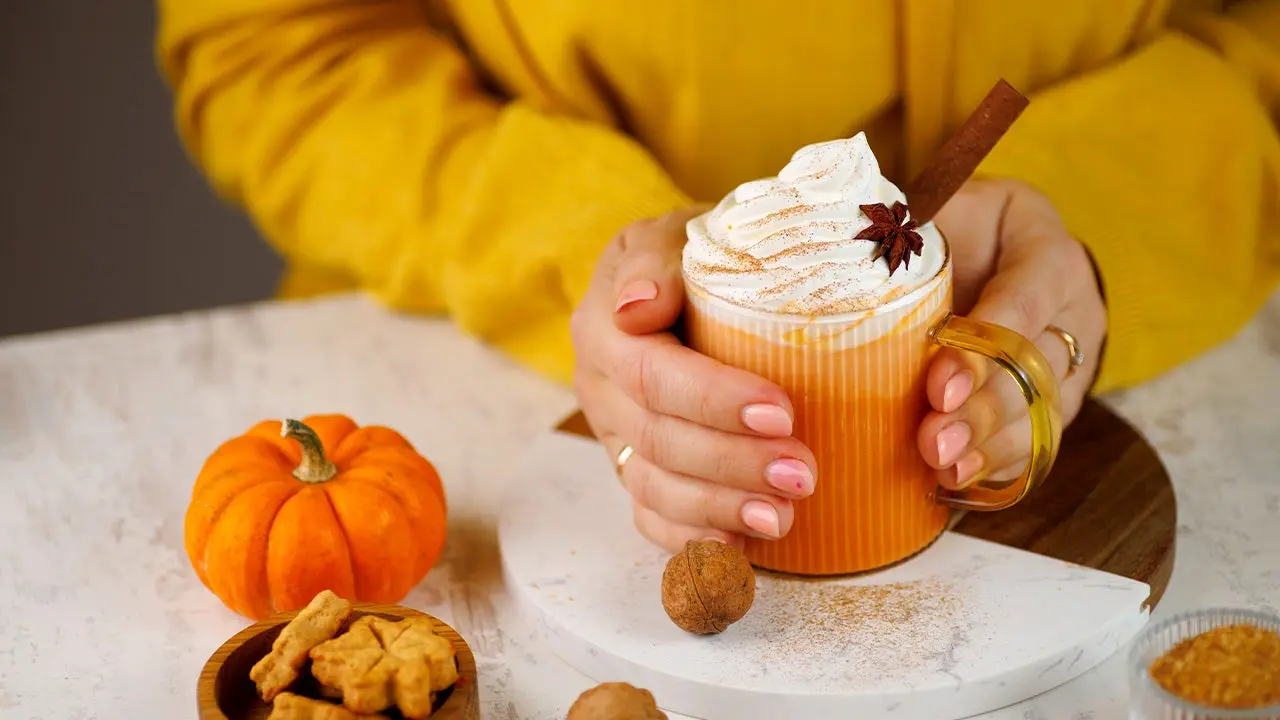
If it seems like fall décor and seasonal food and drinks are arriving earlier each year, it's not just in your head. Data show consumers are increasingly embracing "season creep" — shopping for seasonal products earlier than they did in years past. Younger consumers' enthusiasm for fall, a desire to plan ahead and retailers' efforts to extend seasonal spending may all be helping drive the shift. STARBUCKS TO PROMPT MORE TIPPING ON CARD PAYMENTS, FUELING 'TIP CREEP' BACKLASH Last year, the popular pumpkin spice latte (PSL) returned to Dunkin' on Aug. 20 and to Starbucks on Aug. 26. Both coffeehouse chains brought their fall offerings back a day earlier this year, with Dunkin' launching its fall menu on Aug. 19 and Starbucks bringing back its PSL on Aug. 25, Florida Today reported. Data from online grocery delivery and pickup service Instacart showed that in 2024, "the seasonal peak for orders containing pumpkin spice items occurred on September 17, a full 10 days earlier than in 2023." Demand also cooled sooner, according to Instacart, though orders for pumpkin spice items, such as flavored coffee creamers and yogurts, spiked again in November as Thanksgiving drew near. Food delivery service DoorDash reported in 2025 that "pumpkin spice is brewing sooner than ever." CLICK HERE TO SIGN UP FOR OUR LIFESTYLE NEWSLETTER PSL demand spiked on Aug. 19, nearly two weeks earlier than in 2021, the company reported. DoorDash also found that grocery orders for ingredients used to make fall-inspired drinks at home began spiking in late July. According to the National Retail Federation (NRF), 49% of consumers said in 2025 that they would begin shopping for Halloween before October, compared with 34% a decade earlier. "More 18- to 24-year-old early shoppers say they look forward to fall or that Halloween is one of their favorite holidays, and they plan accordingly," the NRF reported. "Their early Halloween shopping isn't about 'impulse purchases,' but rather intentional planning ahead." Younger shoppers were much more likely to say they wanted to avoid the stress of last-minute shopping for décor and costumes, according to the NRF survey. CLICK HERE FOR MORE LIFESTYLE NEWS Seasons affect people's minds and behavior for several reasons, Michael Varnum, professor and social psychology area head at Arizona State University, told Fox News Digital. Some of these effects are physiological, such as the ways our bodies and hormones respond to changes in light, temperature and other climatic conditions throughout the year, he said. The way seasons cause changes in illness, travel or population may also cue changes in how we think and act, Varnum noted. "How we respond to seasons isn't purely driven by actual changes in the environment but is also shaped by other associations, traditions, rituals and schedules – spring break, back to school in fall, Halloween, Christmas, etc. – that are built into our society and what we learn from an early age," he said. Climate and the environment also likely play a part, he said, reasoning that hotter summers could make people more eager for the cooler weather of fall. TEST YOURSELF WITH OUR LATEST LIFESTYLE QUIZ Varnum said it's interesting that our culture's comfort in and enjoyment of seasonal traditions are heavily shaped by a model of four seasons "that doesn't necessarily fit well with what actually changes in the weather and environment in all parts of the world." He also acknowledged that a big part of season creep may be driven by marketing. "My guess is that retailers and others hope to capture boosts in spending associated with holidays or seasonal shifts earlier with the idea that it might extend the period for which they'll see it in their sales," he said. CLICK HERE TO DOWNLOAD THE FOX NEWS APP He added that it would be "interesting to know whether such marketing might be more or perhaps less effective when there is more of a mismatch between the season being invoked and the actual weather or time of year."
Topics in this story
Gathered from external sources. Rights to this text belong to whoever originally published it.