How Denmark restored 26 kilometres of the Skjern River and returned 2,200 hectares of farmland to marshland, bringing wildlife back
In western Jutland, Denmark chose to undo an engineering project and give one of its largest rivers back its natural course.
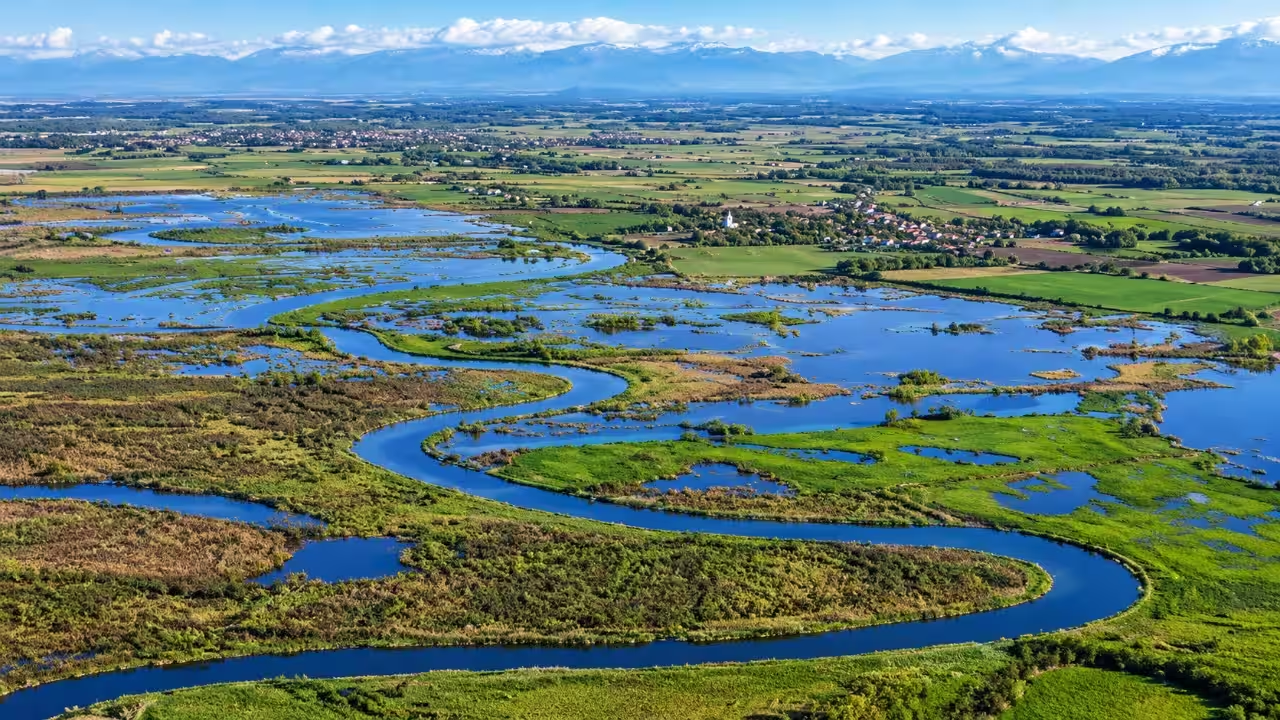
In western Jutland, Denmark chose to undo an engineering project and give one of its largest rivers back its natural course. The Skjern River had been straightened and embanked so that surrounding marshland could be farmed. Today, 26 kilometres of the river meander again, around 2,200 hectares have returned to marshland, and wildlife has come back in significant numbers. Here’s why the original farming scheme faltered, what the restoration involved, how communities, farmers and visitors have gained, and why the project matters for other regions weighing the cost of restoring nature against the cost of leaving it damaged.Why straightening the Skjern River and farming its marshland in western Jutland stopped paying offThe story begins in the 1960s, when a major project set out to straighten and embank the Skjern River, one of the largest in Denmark, and turn the surrounding marshland into agricultural land. For a while the gamble appeared to work, because the first crops grown on the reclaimed ground were fairly successful. The trouble came with time. According to the European Commission, productivity on the land diminished drastically, even though farmers applied large amounts of fertiliser to keep yields up. By 1987, the result was a stretch of low-quality farmland, and the government launched a major restoration project in response. In effect, the project that had treated marshland as land to be converted to farming was replaced by one that treated it as an asset to be recovered.Reshaping 26 kilometres of the Skjern River into a meandering bed and returning 2,200 hectares to marshlandThe restoration launched in 1987 was, in essence, the 1960s project played in reverse. Rather than leaving the river confined to a straightened and embanked channel, the government had the Skjern River re-excavated and placed into a more natural, meandering riverbed. That new course stretches over 26 kilometres. Alongside the river itself, the project reconverted around 2,200 hectares of surrounding land to marshland, an area equal to roughly 22 square kilometres. This land had been turned over to agriculture in the 1960s, so the work meant giving up farmland that had already proved disappointing. In practical terms, ground that once received large amounts of fertiliser is now marshland. Taken together, the changes did not simply tidy up a damaged river. They rebuilt the wider landscape of river and marshland that the original scheme had removed.Better water quality, returning wildlife and up to 400,000 visitors on the new Skjern River nature trailsThe ecological response was swift. Water quality improved quickly, and wildlife came back in significant numbers. That is a notable turnaround for land that had been farmed with large amounts of fertiliser to little lasting effect. The restored marshland also became a magnet for people in search of nature. By the end of the project, some 350,000 to 400,000 people were using the new nature trails, a figure that shows how strongly the public responded to a landscape reshaped for recovery rather than production. The trails turned an environmental repair job into a destination, giving visitors a reason to walk through land that had once been given over to farming. The site is now valued for its water, its wildlife and its walking routes rather than for the crops it was once expected to grow.Farming support and a cost-benefit analysis showing local economic opportunities outweighed project costsFarmers were not overlooked. They were given support to adopt more nature-friendly farming practices, which paired the return of marshland with help for the people who work the land. A cost-benefit analysis of the restoration then concluded that the local economic opportunities it created were larger than the overall project cost. The European Commission's collection of nature restoration success stories points to a similar result elsewhere. In Belgium, a social cost-benefit analysis behind the Sigma Plan II, a long-term flood protection and nature restoration strategy on the edge of Antwerp, found that improving natural infrastructure is cheaper than constructing and maintaining a storm surge barrier near the city. Read together, the Danish and Belgian examples suggest that restoring ecosystems can make economic sense as well as environmental sense.You use AI every day. Now get your AI Quotient. Take the AIQ test.
Topics in this story
Gathered from external sources. Rights to this text belong to whoever originally published it.