In 2009, Yosemite treated an 8.65-acre Himalayan blackberry infestation with herbicide; a year later, 0.34 acres of the treated area remained
Discover how Yosemite National Park dramatically reduced the area of invasive Himalayan blackberries by 96% in one year using herbicides and various management techniques. Learn about the ecological impacts of invasive species and the park's ongoing efforts to protect native vegetation.
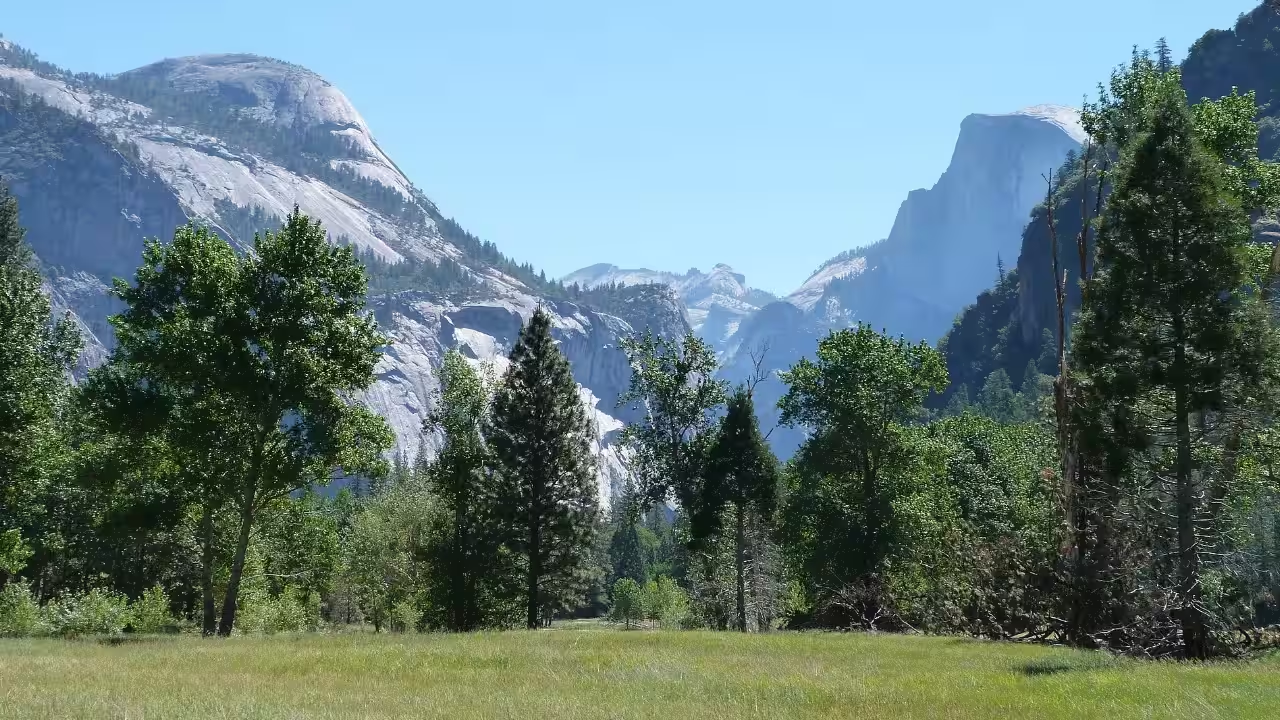
Invasive plants can be hard to control in protected natural areas, especially when they form dense thickets that crowd out native vegetation. Yosemite National Park in California has spent years tackling this problem, using different methods to limit the spread of aggressive non-native plants. One treatment in Yosemite Valley produced a striking result within a year: according to the National Park Service’s Treatment of Invasive Plants page, a Himalayan blackberry infestation fell from 8.65 acres to just 0.34 acres.Herbicide treatment reduced blackberry cover from 8.65 to 0.34 acresThe National Park Service’s Treatment of Invasive Plants page reports that only 0.34 acres remained the following year, a reduction of 96% in a single year and cites the project as an example of how targeted herbicide application can work. Before 2009, Yosemite used only manual and mechanical methods. For fifteen years, park managers and hundreds of volunteers tried to control aggressive invasive plants such as Himalayan blackberry and yellow star-thistle. Even when staff and volunteers controlled some areas, the plants spread faster than they could keep up, so park managers turned to herbicide treatment. The same page says the inefficient use of resources and the need for repeat treatments led managers to adopt herbicides as one of many tools.Dense thickets threaten native vegetationHimalayan blackberry is an introduced shrub that forms thorny thickets. These thickets compete with native plants, can alter the structure and function of the plant community and may block access to sites. Invasive species are a management priority in Yosemite National Park because changes in native vegetation can affect the wildlife that depends on it. Blackberries attract animals, including bears, so their spread near developed areas increases contact between bears and people. The National Park Service discusses these ecological concerns in its overview of invasive plants in Yosemite.Yosemite combines herbicides with other control methodsYosemite National Park uses a combination of manual, mechanical and chemical control, along with monitoring and restoration. Managers choose among these methods based on effectiveness, worker safety and conditions at each site. The National Park Service page says manual removal can be appropriate where herbicide is unsuitable, such as near rare plants, but the soil disturbance it causes can create conditions for other non-native plants to take hold.The National Park Service’s 2024 Invasive Plant Management Program Work Plan names glyphosate applied from backpack sprayers as the main treatment method for Himalayan and cut-leaf blackberry in Yosemite. Crews may instead use the cut-and-dab method, in which plants are cut and herbicide is applied to the stump, near special status plants, important cultural sites, or water.Monitoring remains essential after treatmentThe 96% reduction in the treated area illustrates the effectiveness of targeted applications of herbicides, but this cannot be considered eradication of Himalayan blackberry within Yosemite Valley. This reduction applies only to one patch over one year and results may differ elsewhere. Seeds and regrowth could reestablish plants in treated patches and other invasive plants may move in, so monitoring remains essential. The work plan says crews monitor previously treated sites and retreat as needed. The case shows that managing invasive plants takes more than one step.You use AI every day. Now get your AI Quotient. Take the AIQ test.
Topics in this story
- Yosemite National Park
- Himalayan blackberry
- invasive species management
- herbicide treatment
- native vegetation
- Yosemite National Park invasive plants
- herbicide treatment effectiveness
- Himalayan blackberry infestation
- National Park Service guidelines
- native vegetation protection
- manual and mechanical removal
- glyphosate herbicide use
Gathered from external sources. Rights to this text belong to whoever originally published it.