Flying taxis are taking off in Texas. Is your city next?
Joby Aviation flew its eVTOL air taxi into DFW Airport's busy airspace as Texas launches Project Nexus, a three-year advanced air mobility program.
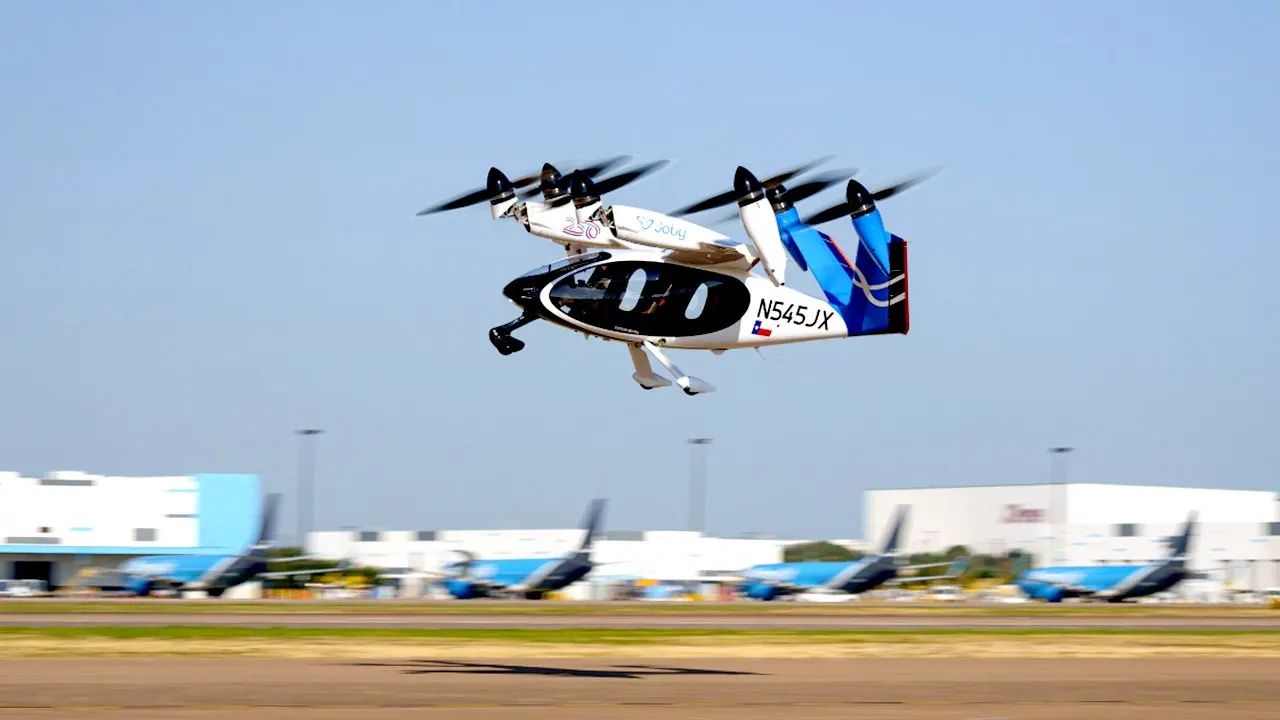
If you have ever watched your arrival time creep later while sitting in traffic, flying over it sounds pretty appealing. Texas is now testing what that could look like. Earlier this month, the Texas Department of Transportation launched the first phase of Project Nexus, a three-year program focused on preparing next-generation aircraft for use in Texas skies. The Sept. 10 kickoff at Perot Field Fort Worth Alliance Airport included demonstrations from BETA Technologies and Joby Aviation. Joby brought its electric vertical takeoff and landing aircraft, better known as an eVTOL. No passengers climbed aboard the initial Project Nexus flights. Instead, Texas is starting to learn how air taxis could eventually fit into the way people get around. NEW! 🩺 Free CyberGuy LIVE class: Get Better Healthcare With AI Saturday, Sept. 26 at 11 a.m. ET / 8 a.m. PT. Kurt "CyberGuy" Knutsson will show you five practical ways AI can help you organize your health history, remember important appointment details, understand complicated medical information, research prescriptions and prepare smarter questions for your doctor. No technical experience is needed. Save your free spot at CyberGuyLive.com. AIR TAXIS CUT HOUR-LONG COMMUTES TO MINUTES, RIDERS MAY BE SHOCKED BY THE PRICE Flying taxi testing has officially started in Texas Project Nexus will advance in phases over the next three years. The broader first phase uses traditional aircraft, including helicopters and fixed-wing planes, to test routes and collect data. TxDOT says those initial flights will help validate routes and prepare for future advanced air mobility operations. Joby also launched a week-long campaign of piloted electric air taxi flights across North Texas under TxDOT's Project Nexus proposal, part of the federal eVTOL Integration Pilot Program. The campaign included planned direct flights into DFW International Airport, a round trip to Arlington and a route connecting Alliance Airport with Toyota Motor North America's headquarters in Plano. One of the biggest tests involved DFW. Joby's campaign called for a direct flight into DFW's controlled airspace, with the aircraft landing at DFW Corporate Aviation. That puts an eVTOL into the same busy airspace used by one of the world's busiest airports. That kind of testing can tell regulators much more about how these aircraft might eventually operate around major transportation hubs. Air taxis are getting closer to reality We have been following electric vertical takeoff and landing aircraft, better known as eVTOLs, for years. They can rise vertically like a helicopter. Many designs then transition into forward flight using wings. Earlier this year, we looked at how a federal pilot program could bring air taxis into U.S. skies before the industry reaches full commercial service. We have also covered plans for air taxis serving New York City's three major airports and Joby's partnership with Virgin Atlantic to develop electric air taxi service in the United Kingdom. So the aircraft themselves are no longer the biggest surprise. What gets my attention now is where companies are flying them and how regulators are testing their ability to operate around airports people already use. That's where Project Nexus comes in. Why Dallas-Fort Worth gives air taxis a serious test Flying around Dallas-Fort Worth creates challenges you do not get at an isolated test site. Joby's campaign included planned missions between Perot Field Fort Worth Alliance Airport and several destinations around the region. DFW International Airport was part of that schedule. The company and federal researchers have been preparing for this type of operation for years. Joby says the FAA and NASA began studying electric air taxi integration in North Texas in 2018. Then, in 2023, Joby and NASA ran a detailed simulation examining whether the DFW terminal area could handle as many as 50 electric air taxi operations per hour. Now that work is moving from computer simulations to aircraft operating in North Texas. Joby has also leased a 45,000-square-foot facility at Perot Field Fort Worth Alliance Airport. The new facility gives Joby a long-term operating presence in North Texas, well beyond this initial flight campaign. AI AIR TRAFFIC SYSTEM PROMISES FEWER FLIGHT DELAYS Project Nexus may move medical supplies before passengers Here's where the Texas plan gets especially interesting. Air taxis tend to grab attention because people imagine hopping aboard and flying over traffic. But some early Project Nexus missions could have nothing to do with your commute. Later phases are expected to focus on medical and cargo logistics. TxDOT specifically points to transporting critical medical supplies or organs between rural facilities and urban medical centers in Austin and San Antonio. That's a use case that could be easier to understand than flying across town to save a few minutes. Moving time-sensitive medical supplies faster could show where this technology provides practical value while passenger operations continue developing. Passenger air taxis come later Eventually, Project Nexus plans to put passengers onboard. TxDOT says the final phase will involve passenger air taxi flights across the Texas Triangle. TxDOT's plan calls for regional air taxi connections involving Dallas, Austin, San Antonio and Houston. That does not mean commercial passenger service across Texas has a firm launch date. Joby still has certification work ahead. The company says it has advanced into the fifth and final stage of FAA type certification, with testing continuing as part of that process. So you probably will not see an air taxi button appear beside your rideshare options tomorrow. The work happening now is about figuring out how these aircraft could operate safely before passenger service expands. Air taxi testing is spreading across the US Texas is getting a lot of attention right now, but Project Nexus is part of a much larger federal effort. The eVTOL Integration Pilot Program includes eight projects across 26 states, with testing focused on passenger travel, cargo and medical transportation. We have already seen some of that play out. Earlier this month, we covered the FAA's testing of Elroy Air's pilotless hybrid-electric Chaparral cargo aircraft. BETA Technologies and United Therapeutics have also tested electric aircraft for transporting organs between Virginia and Maryland. Other projects involve New York and New Jersey, Florida and several additional states. So while Texas is one of the biggest air taxi test beds right now, it is far from the only one. That raises the bigger question: If these trials keep expanding, how long will it be before you start seeing aircraft like these closer to home? DOORDASH GETS FAA APPROVAL FOR ITS OWN DELIVERY DRONES What this means to you If air taxis eventually come to your area, the big question will be simple: Will they actually make your life easier? Skipping over traffic sounds great, especially on the way to an airport or across a crowded metro area. But the convenience depends on where these aircraft take off and land, how much a ride costs and how much time you really save from door to door. You will also want to know what frequent flights sound like overhead. Electric aircraft are designed to be quieter than helicopters, but there is a big difference between hearing one occasionally and having them fly regularly near your neighborhood. And before any of this becomes routine, the FAA has to be comfortable with the safety side. That's exactly why these Texas tests are important. They give regulators a chance to see how the aircraft handle busy airspace before passenger flights become more common. For me, that is what makes Project Nexus worth watching. We already know these aircraft can fly. Now we are starting to find out whether they can fit into the way we actually travel. Kurt's key takeaways I have been watching air taxis develop for years, but Project Nexus feels like the kind of test that can tell us whether they have a real shot at becoming useful transportation. Flying around North Texas and operating at DFW gives Joby a chance to show how these aircraft can handle the kind of busy airspace they would face in regular service. I am also really interested in the medical side. If an electric aircraft can move an organ or critical supplies faster between hospitals, that could be one of the first places where this technology shows its value. For passengers, though, I still come back to two things: price and convenience. If the landing site is 30 minutes out of your way or the fare costs a fortune, flying over traffic starts to lose some of its appeal. Noise will also be something communities pay close attention to as more of these aircraft take to the sky. We already know air taxis can fly. What I want to see now is whether they can save you enough time, at a price you can live with, to make you actually want to book one. If an air taxi could turn an hour in traffic into a 15-minute flight, how much would you be willing to pay to take it? Let us know by writing to us at CyberGuy.com. CLICK HERE TO DOWNLOAD THE FOX NEWS APP Sign up for my FREE CyberGuy Report Copyright 2026 CyberGuy.com. All rights reserved.
Topics in this story
Gathered from external sources. Rights to this text belong to whoever originally published it.