London's Natural History Museum won a landmark legal fight to reduce its annual rental value from £12.92 million to just £1; the decision could reshape how national museums are taxed
London’s Natural History Museum has won a landmark legal challenge that reduced its rateable value for business rates from £12.92 million to just £1,
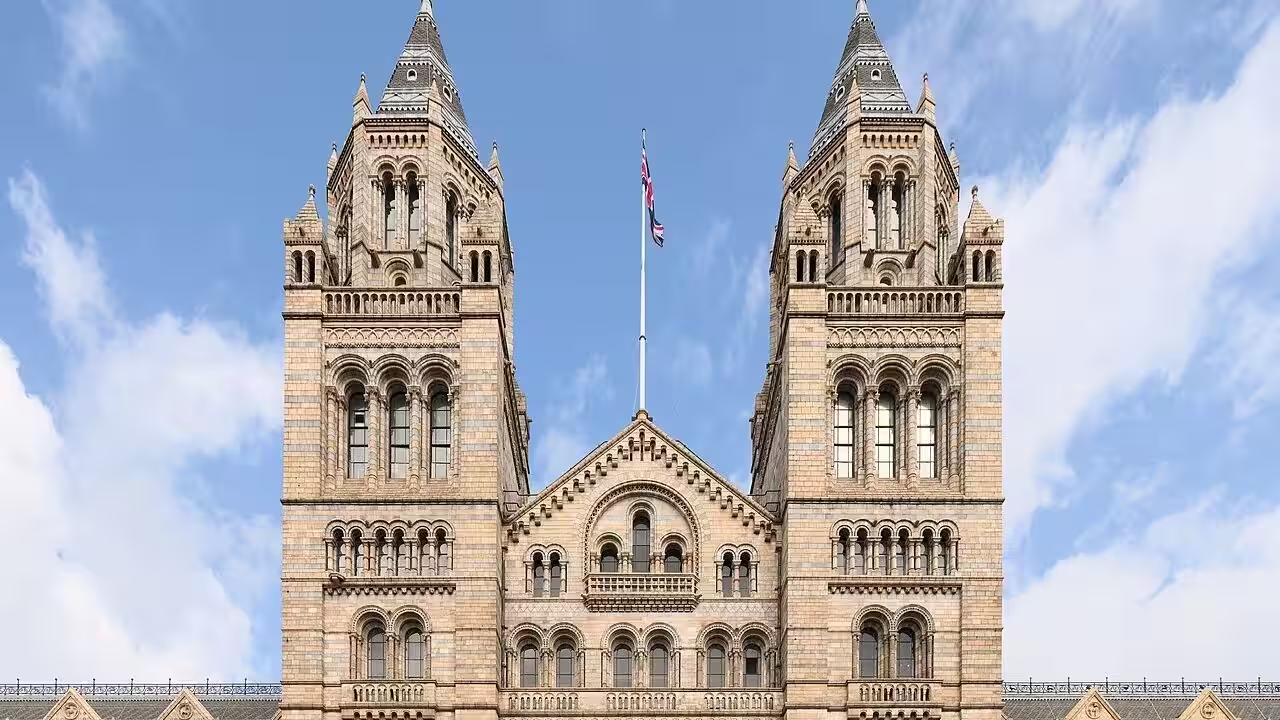
London’s Natural History Museum has won a landmark legal challenge that reduced its rateable value for business rates from £12.92 million to just £1, marking a significant development for publicly funded cultural institutions across England. The Valuation Tribunal for England ruled that the museum should not be assessed as though it were a profitable commercial property, given its financial position and commitment to free public admission. The decision has since prompted a change in the government’s approach to valuing free-entry museums and galleries, potentially bringing substantial financial relief to institutions facing rising operating costs.The Natural History Museum won its landmark business rates challengeThe Natural History Museum’s successful appeal centred on how its property should be valued for business rates. According to the Museums Association, the museum was initially assigned a rateable value of £12.92 million in the 2017 Rating List. This was subsequently reduced to £4.16 million using a method based on the estimated cost of rebuilding the property. The museum challenged that assessment, arguing that a nominal valuation of £1 better reflected the economic realities of operating the institution.The Valuation Tribunal for England heard the case over two days in February 2026 and issued its decision in March. The ruling established that the museum’s rateable value should be reduced to £1, effective from 1 April 2017. The initial work on appealing the decision was subsequently abandoned, allowing the judgment to stand.As explained by law firm Mills & Reeve in its analysis of the ruling, the tribunal considered whether the museum could realistically be operated profitably by a hypothetical tenant. Its findings supported the museum’s argument that its specialist buildings, collections and public-service responsibilities made it fundamentally different from an ordinary commercial property.The decision was particularly significant because the museum became the first national museum in the UK to win such a business rates challenge.Why was the museum considered unsuitable for commercial valuationThe tribunal’s decision rested on the distinction between a commercial property and an institution whose primary purpose is public service. The Natural History Museum preserves and displays collections, conducts scientific research and provides free access to visitors. Its operations are not designed to generate the profits expected from a conventional commercial enterprise.Mills & Reeve explained that the museum’s financial accounts demonstrated that it could not operate profitably, even with government grant funding. The tribunal also concluded that there was no realistic prospect of a commercially motivated organisation taking on the building under the same conditions.The valuation dispute involved the receipts and expenditure method, which examines an organisation’s income and operating costs to determine the rent a hypothetical tenant might reasonably pay. The tribunal accepted that this was the appropriate approach for the museum.However, the assessment could not rely on speculative income that the institution did not actually receive. The government funding provided to the museum was conditional on free public admission and could not simply be treated as rental income available to a hypothetical commercial tenant.The tribunal also declined to give decisive weight to hypothetical admission charges and other assumptions about how the museum might operate differently. Its actual financial performance provided a more reliable basis for determining the property’s value.Importance of this ruling for other museumsThe implications extend well beyond the Natural History Museum. According to the Museums Association, free-entry museums and galleries across England are expected to benefit from a change in the way their business rates valuations are calculated.Following the tribunal decision, the Department for Digital, Culture, Media and Sport confirmed that the Valuation Office would stop using the notional receipts approach when assessing free-entry museums where that method had previously been applied.Under the earlier approach, assessors could estimate hypothetical ticket revenue by considering visitor numbers and an assumed admission charge, even when the museum offered free entry. For institutions that depend heavily on public funding and have limited income from other sources, these calculations could produce valuations that did not reflect their actual financial circumstances.The October report explained that the government’s revised approach followed the tribunal’s rejection of notional receipts in the Natural History Museum case. HM Revenue and Customs confirmed that the change in rating case law would need to be reflected across the museums and art galleries sector where the approach had been used.Several museums had already established relevant legal precedents. These included Exeter’s Royal Albert Memorial Museum, Tyne and Wear Archives and Museums, now known as North East Museums, and York Museum and Gallery Trust. The Natural History Museum’s victory extended this line of decisions to a major national institution.How could the decision ease financial pressure on cultural institutionsThe revised valuation approach could help museums redirect money previously allocated to business rates towards their core responsibilities. Maintaining historic buildings, caring for collections, conducting research and providing public access all require substantial resources.The Museums Association highlighted the potential for significant backdated savings for the Natural History Museum following the reduction in its valuation. The decision could also provide other museums and public bodies with grounds to review their own business rates liabilities.However, a reduction to £1 is not guaranteed for every institution. The Museums Association noted that HMRC expects some museums to retain higher valuations where their receipts and expenditure demonstrate a surplus.The Valuation Office will also consider reliable rental evidence where it is available, as this is regarded as a more accurate indicator of a property's rateable value.You use AI every day. Now get your AI Quotient. Take the AIQ test.
Topics in this story
Gathered from external sources. Rights to this text belong to whoever originally published it.