From ghats to gated communities: How faith tourism is reshaping Haridwar’s real estate
India’s domestic tourism sector is experiencing a dramatic transformation, with spiritual and pilgrimage tourism as the major growth driver.
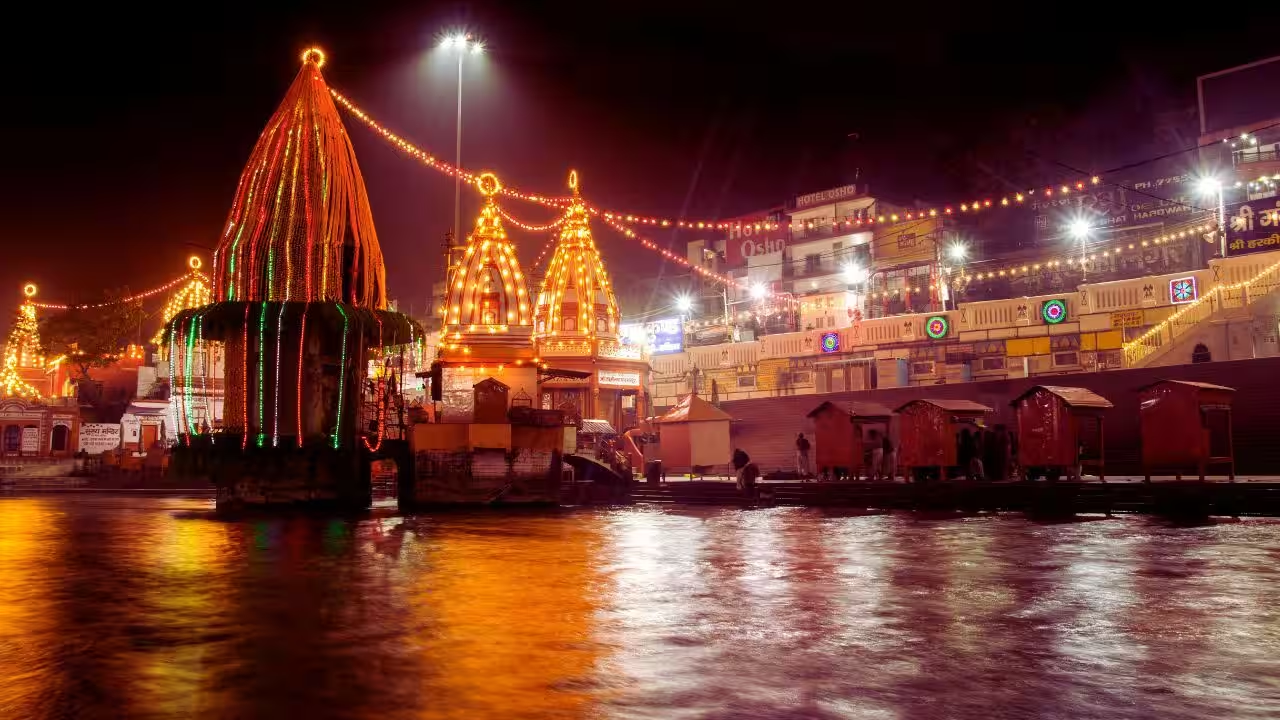
India’s domestic tourism sector is experiencing a dramatic transformation, with spiritual and pilgrimage tourism as the major growth driver. A market that has been largely niche has turned into a larger consumer trend, changing travel patterns and real estate development. Haridwar, the gateway city to the Char Dham circuit, is at the epicenter of this change, data shows there is substantial demand growth and infrastructure constraints. Dr. Annkit A Jayant, Founder & CEO, HP Global Infrra shares insights.The demand expansionThe recent travel data on Cleartrip's PeekABoo Trends Tracker shows clear and tangible evidence of this change. Haridwar’s hotel bookings increased 161 percent year-on-year with bus bookings up 203 percent. The Char Dham circuit more broadly has similar trends of growth as well (Rishikesh saw 113 percent growth in bus bookings, and Varanasi, Prayagraj, and Ayodhya saw triple-digit growth in accommodation). With the growth rate of accommodation bookings far exceeding the capacity of hotels, this is influencing pricing and asset utilization.Shifting demographicsThe composition of spiritual tourism's audience has broadened considerably. Pilgrimage travel was historically concentrated among older age groups and family units, but now attracts younger professionals, independent travelers, and notably, solo women travelers. Flight bookings among solo women travelers increased 20 percent year-on-year during the Amarnath Yatra season. Hotel bookings during this period rose 22 percent, and bus bookings surged 104 percent. Dwarka recorded 37 percent growth from solo women travelers.This demographic expansion carries practical implications for accommodation design. The traditional family-oriented model is insufficient to serve travelers with distinct preferences regarding safety, privacy, and service infrastructure. The diversification of traveler profiles requires differentiated accommodation products serving varying preference spectrums.Budget and mid-market growthHousing trends are evident in budget and mid-range accommodation segments. Budget hotel bookings increased 386 percent year-on-year and mid-range properties 164 percent. This divergence from luxury expansion indicates that demand in price-conscious and aspirational middle-class segments is more concentrated than in luxury areas. Budget accommodation is still underbuilt in comparison to demand, especially in gateway cities. Rishikesh, Haridwar, and other Char Dham points have seen much higher booking growth in lower-priced rooms as existing inventory is not filling all the need. Mid-range properties also show a gap between available inventory and demand, resulting in distinct operational margins and utilization profiles.Geographic demand patternsTravelers booking Haridwar trips predominantly originate from India's major metropolitan centers-Bengaluru, Mumbai, Hyderabad, Delhi, Pune, Kolkata, Chennai, and Ahmedabad. This concentration indicates pilgrimage demand increasingly originates from urban, economically active populations with disposable income and time flexibility. This demand pattern reflects urbanization dynamics and rising middle-class travel participation rather than cyclical trends. As urban centers expand and disposable income rises, the addressable market for spiritual tourism grows correspondingly. The geographic concentration enables more predictable market segmentation and targeted capacity planning.Seasonal architecturePilgrimage destinations fall on different demand calendars due to festival cycles. Puri’s Jagannath Rath Yatra brought in over 200 per cent more hotel bookings. Mathura saw 196 per cent growth during Guru Purnima and Govardhan Parikrama seasons. Varanasi grew 161 per cent during Sawan and Kanwar Yatra.The demand structure of Haridwar is different because there are many pilgrimage seasons and festivals and their visitations are all year round, the Char Dham season, Maha Kumbh cycle and various festivals are all accompanied by peak demand. Such multi-wave demand architecture offers more distributed revenue streams and less seasonal cash flow volatility than single-event destinations. The calendar-driven demand provides easy capacity planning as well as resource allocation, unlike discretionary leisure tourism that is cyclical.Capacity-demand misalignmentThe data indicates structural misalignment between capacity and demand. Booking growth rates of 161 to 203 percent vastly exceed typical accommodation supply expansion rates of 5 to 15 percent annually. New facility development typically requires 18 to 36 months from planning to operation, meaning demand currently outpaces supply timelines. This mismatch creates elevated pricing in existing inventory while new entrants assess price sustainability.The traveler composition, increasingly budget and mid-range oriented—suggests demand exists at price points where construction costs and land economics remain viable, potentially enabling continued development activity.Operational flexibilityBeyond traditional room rentals, accommodation operators can develop supplementary revenue streams. Corporate retreats and wellness programming during off-peak periods, cultural and educational tourism overlays, and experiential services could enhance utilization rates and stabilize cash flow. Location within Haridwar remains material proximity to pilgrimage sites and transportation infrastructure influence facility performance substantially.Haridwar's real estate market reflects demonstrable shifts in domestic travel patterns. Current evidence suggests demand expansion continues exceeding supply development, with demographic broadening occurring across multiple pilgrimage circuits. Understanding these underlying demand dynamics remains essential for informed decision-making regarding development timing and positioning.Ready to Make a Smarter Property Decision? Build Your Legacy with TOI Homes.
Topics in this story
Gathered from external sources. Rights to this text belong to whoever originally published it.