New photos 'essential evidence' of possible SAS war crimes, inquiry hears
The inquiry's lead barrister says photos of people lying on their backs with shots to the head may be evidence of possible war crimes.
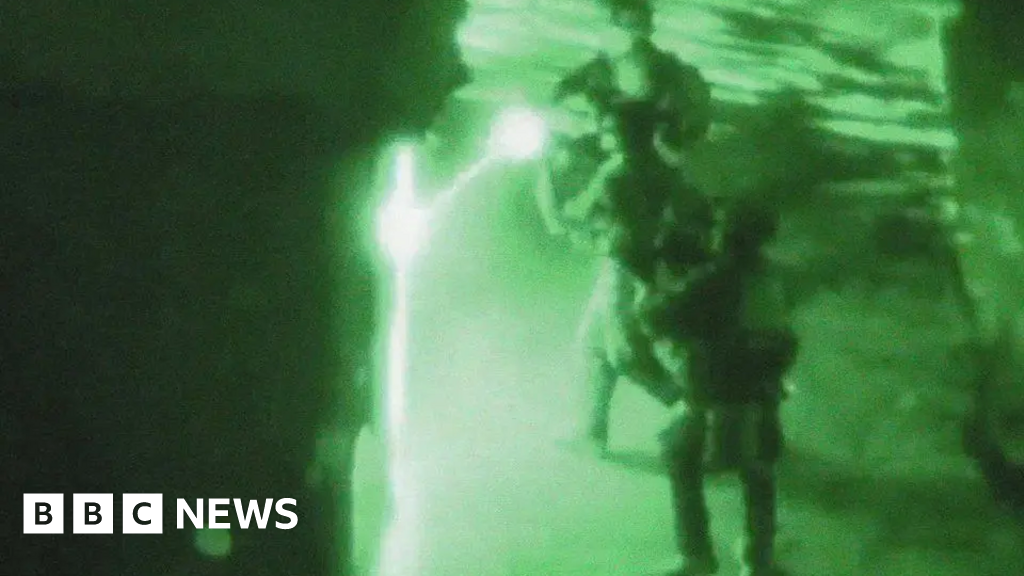
An inquiry into UK special forces operations in Afghanistan has released photos described as "essential evidence", showing soldiers could have executed unarmed people laying asleep.
For the first time, the inquiry has made public photos taken of the deceased, across two SAS operations, that show multiple individuals lying in bed with shots to the head.
The inquiry's lead barrister, Oliver Glasgow KC, said the photos may be evidence of possible war crimes and worthy of expert interrogation.
The public inquiry is examining allegations that the SAS murdered unarmed civilians and detainees on night raids between 2010 and 2013 and planted weapons to cover up the killings.
The graphic photographs show multiple unarmed people lying in bed.
One person was tucked under a floral blanket, others with their heads on pillows, blood pooling around their heads. Blood spatter is visible low on the wall in one of the images, consistent with someone being shot while lying down.
Glasgow described how many "look like they sustained head shots" and in a number of cases "there appears to be a dead body with his head on a pillow".
He said further analysis may be able to confirm if the people in the photographs were "shot when asleep".
Seventeen people were killed across the two operations which took place in Helmand province in 2011. The youngest of those killed in each of the operations were 15 and 14 years old respectively.
Glasgow said the photos appeared to contradict the accounts given by the SAS and would have raised serious questions for the military police officers investigating the operations as potential murders.
Lt Col John Harvey, who led the military police's murder probe, agreed they "didn't look right".
He told the inquiry his team were clear the photos could be vital evidence.
Despite the repeated requests of the police investigators to submit the photographs for further testing, this never took place.
One of the investigators, speaking on the condition of anonymity, told the BBC "you can see why we were concerned", adding: "Bullet marks on the walls so low to the ground appeared to undermine the special forces' version of events."
The inquiry is subjecting the photographs to expert forensic analysis.
BBC Panorama has been investigating allegations the SAS executed unarmed civilians and children for more than eight years. The public inquiry was established in 2022 in the wake of Panorama's revelations.
The photos appear to support the findings of Panorama's 2022 investigation into raids in Helmand province which took place a decade before.
Panorama travelled to Afghanistan to gather evidence related to four raids on homes that killed 26 people.
The BBC visited the same guesthouses where the photographs released by the inquiry on Tuesday were taken. Panorama's team were the first British investigators to visit the sites of the shootings, despite a five-year-long military police investigation.
Official special forces accounts of the incidents claim Taliban insurgents opened fire on troops as they entered the compounds, forcing the SAS to return fire and kill those inside.
However weaponry experts told the BBC evidence collected by Panorama indicated multiple rounds appeared to have been fired from above.
This suggests those killed were either lying down or sitting against the wall and not in a firefight.
Family members also told Panorama those killed had been shot cleanly in the head or chest - a common characteristic of a deliberate SAS shooting at close range.
The photographs released by the inquiry show multiple "traumatic injuries to the head or face" of those killed by the SAS, according to its lead barrister.
The inquiry also heard evidence that calls into question whether alleged war crimes were thoroughly investigated.
It heard how investigators were still in Afghanistan in July 2019 gathering evidence as senior officers prepared to close their murder investigation and inform ministers.
The military police investigators were looking for eyewitnesses to unlawful killings and the planting of weapons.
One member of the Afghan partner unit that served on operations alongside the SAS told military police he had personally witnessed a British soldier planting a rifle on an unarmed person after they had been killed.
SAS killings: How a scandal was uncovered
How a British special forces raid went fatally wrong
Topics in this story
Gathered from external sources. Rights to this text belong to whoever originally published it.