Power of multi-stakeholder model of engagement for remote and challenging terrains
Across India, numerous social impact initiatives are being undertaken to support and accelerate the nation's development journey.
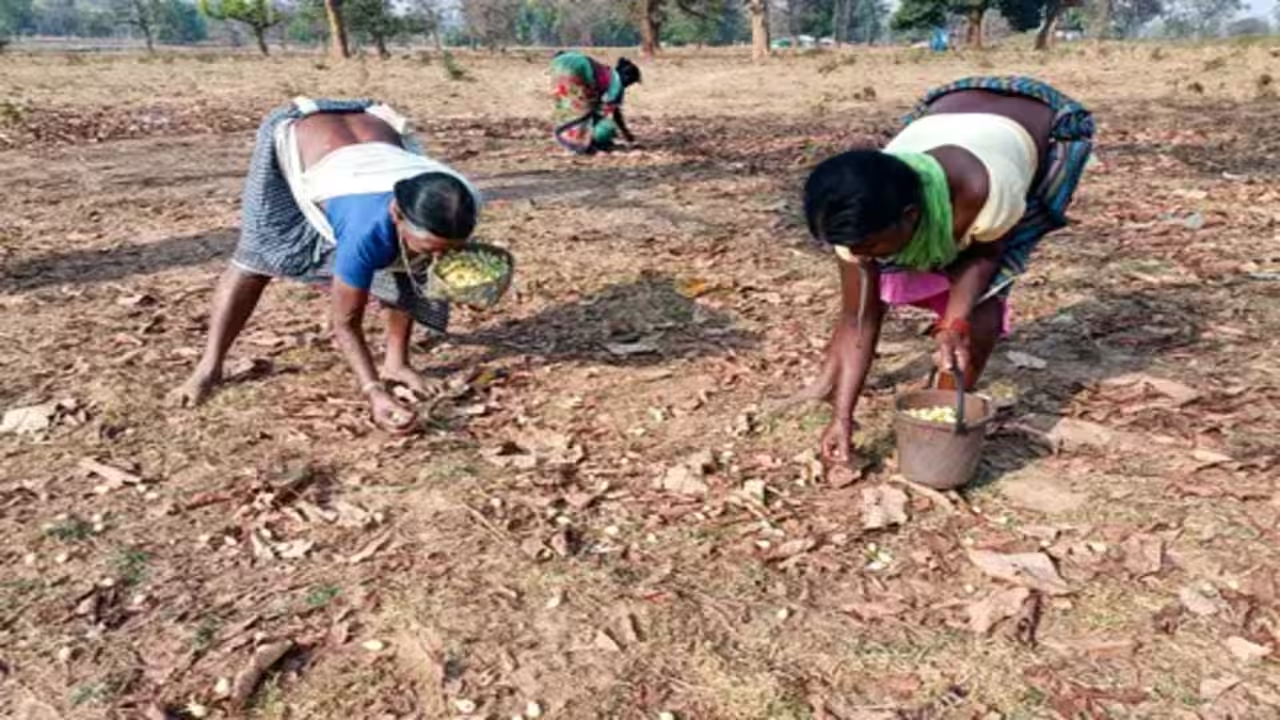
Across India, numerous social impact initiatives are being undertaken to support and accelerate the nation's development journey. However, for any project to be truly effective and sustainable, it is essential to collaborate with the right stakeholders who can contribute meaningfully to the cause.Particular attention must be given to India's remote and far-flung regions, especially the border areas in the northern and northeastern parts of the country. These locations often face unique challenges due to their difficult terrain, limited accessibility, and fewer opportunities compared to urban centers and developed regions. Many individuals and young people living in these areas continue to face hardships and limited access to resources, education, skilling, and livelihood opportunities.When we think about creating social impact at a national level, it is crucial to consider how we can strengthen the communities residing in these regions. Due to geographical barriers and logistical challenges, reaching these communities is often difficult. As a result, many such areas remain relatively underserved and require greater focus and attention.As the pace of development across India continues to accelerate, it becomes increasingly important to ensure that these regions progress alongside the rest of the country. Inclusive development can only be achieved when every community, regardless of location, has access to opportunities for growth and empowerment.To successfully implement social impact initiatives in such remote and challenging terrains, identifying and engaging the right stakeholders is critical. These stakeholders should be individuals and organizations that are trusted by the local communities, understand the local context, and ideally belong to the region itself. Their participation helps build trust, and acceptance among community members.At the same time, it is important to recognize that for many communities in these remote locations, external organizations are often viewed as outsiders. Therefore, any effort to work with them must be driven by genuine intent and a selfless commitment to strengthening the community rather than pursuing personal gain, recognition, power, or financial interests.Creating an effective multi-stakeholder model of engagement is essential because each stakeholder brings unique strengths, experiences, and expertise to the table. Such collaboration becomes even more impactful when all partners share a common purpose of community development and collective progress.If we can establish and nurture selfless, community-centered models of engagement in India's remote and border regions, we can significantly strengthen both local communities and the nation as a whole. Meaningful progress in these areas will contribute not only to regional development but also to a stronger, more inclusive India.As individuals, while we continue to build our careers, develop our skills, and support our families, we must also consciously contribute to the well-being of our communities and our nation. By sharing our knowledge, skills, and resources, we can help create opportunities for others to grow and thrive.If collective action through multi-stakeholder partnerships can be mobilized across difficult terrains and remote regions throughout India, we can help ensure that these communities keep pace with the rapid progress taking place in our cities and across the world.Ultimately, we are all interconnected. As we move forward in life, we must consciously strive to uplift and strengthen the people around us, ensuring that development reaches every corner of our country and benefits every community.Disclaimer: Views expressed above are the author's own.
Topics in this story
Gathered from external sources. Rights to this text belong to whoever originally published it.