After Japan’s 2011 disaster left pets behind, rescued Fukushima dogs were less attached and trainable, and carried 5–10 times more stress hormone
Rest of World News: A study finds that dogs rescued from Fukushima after the 2011 disaster show persistent high stress levels and lower behavioral attachment compared to other abandoned dogs. Their elevated cortisol levels highlight the lasting impacts of trauma on animals abandoned during crises.
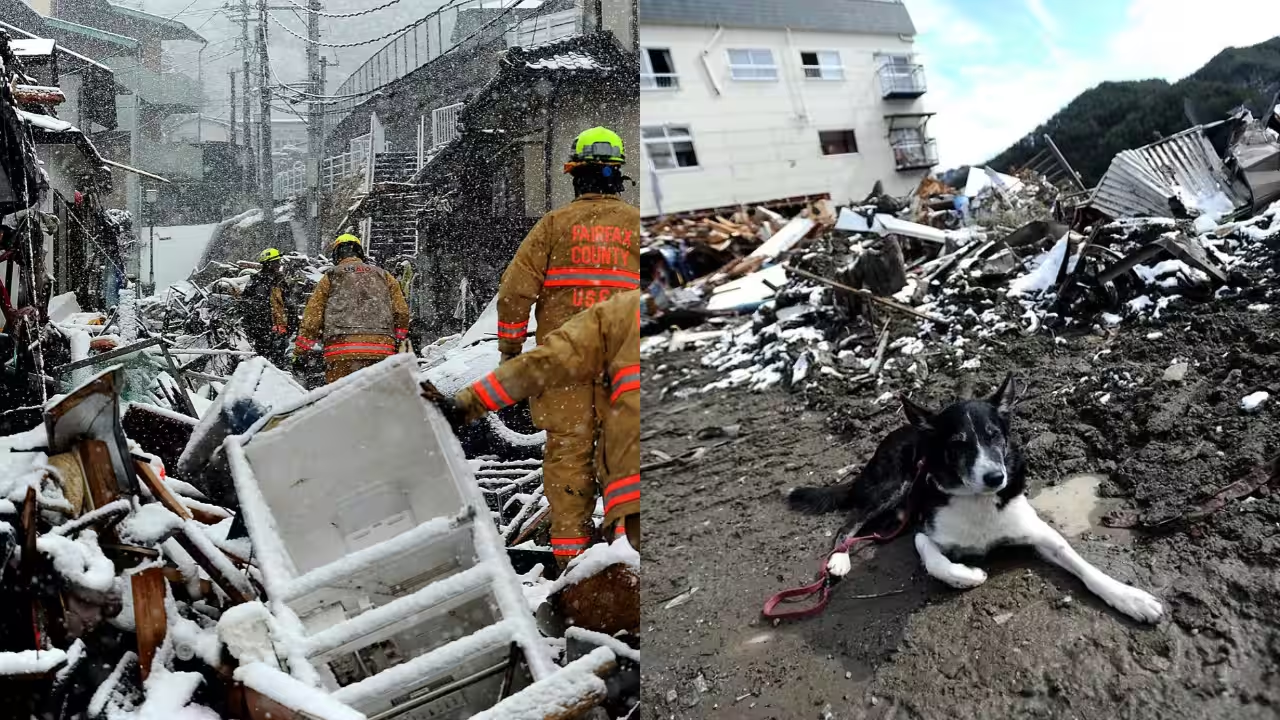
Seventeen dogs that were rescued after being abandoned in Fukushima following Japan’s 2011 earthquake and nuclear accident had lower trainability and attachment scores than a comparison group of abandoned dogs from Kanagawa, while their urine cortisol levels were five to 10 times higher. The findings came from a 2012 study published in Scientific Reports, which examined the animals during rehabilitation and found that the elevated cortisol levels persisted for as long as 10 weeks. The disaster forced residents within the Fukushima evacuation zone to leave their homes, and many pets were left behind. Researchers from Azabu University later received stray and abandoned dogs from rescue centers in Fukushima and compared them with abandoned dogs from Kanagawa that had not experienced the disaster. The study involved 17 Fukushima dogs and eight Kanagawa dogs, and all were given health care, exercise and time with people before undergoing behavioral assessment.The researchers used the Canine Behavioral Assessment and Research Questionnaire, or C-BARQ, to examine traits including aggression, separation anxiety, trainability, and attachment. They also collected urine samples to measure cortisol, a hormone associated with the body's stress response. The Fukushima dogs had significantly lower scores for aggression toward unfamiliar people, trainability, and attachment than the Kanagawa group, one month after arriving at the rehabilitation facility. Three months after arrival, the Fukushima dogs still had significantly lower attachment scores.Cortisol stayed elevated after the dogs were rescuedUrine cortisol levels in the Fukushima dogs were five to 10 times those of the Kanagawa dogs, and the difference remained after 10 weeks. The highest cortisol readings among the Fukushima dogs occurred during their first week at the rehabilitation facility. Levels declined significantly after the eighth day, but they remained substantially higher than those recorded in the comparison group. The researchers said the persistence of the difference made it unlikely that the findings could be explained simply by the normal stress of entering a new shelter environment.The dogs’ aggression toward unfamiliar people was lower during the first month than that of the comparison dogs, and the researchers said that the combination of high cortisol and lower aggression suggested that the animals' stress did not necessarily appear as obvious aggressive behavior. The study also found that the Fukushima dogs had lower attachment to their caretakers, and that difference remained statistically significant at the three-month assessment, despite the dogs receiving regular care and socialization.The sample was small, and the Fukushima dogs were older on average than the Kanagawa dogs. The analysis did not find an age effect that explained the behavioral differences, but the authors acknowledged that other factors that were associated with the disaster experience could not be completely eliminated.The rescue operation continued for yearsA separate 2018 epidemiological study examined 529 dogs admitted to two Fukushima shelters following the 2011 disaster, and found that the animals initially faced poor housing and husbandry conditions, unfamiliar or untrained staff, and insufficient exercise. Of the 529 dogs, 179 had detailed medical records, while 26% had verified ownership and almost 16% were eventually reclaimed by their owners. The same study found that 66% of the dogs developed diarrhea while at the shelters, with 17 different antibiotics used in treatment. Researchers found that using three or more antibiotics was associated with prolonged diarrhea symptoms, and also found that dogs with verified owners took longer to be adopted than dogs without verified ownership.The wider rescue operation therefore involved more than removing animals from the restricted area, since dogs had to be housed, medically treated, socialized and eventually placed with owners or adopters. The first response shelter operated under difficult conditions, and a second shelter was later established in Miharu with better housing and trained staff.The original cortisol study’s conclusion was that the Fukushima dogs showed behavioral differences and prolonged physiological stress after the disaster experience, and the authors said the findings were consistent with the animals having experienced an unusually severe crisis. The dogs were individually re-socialized after their health was assessed and were eventually placed with new owners, but their cortisol levels remained markedly higher than those of the comparison dogs during the 10-week observation period.Catch the latest World News and Live updates. Download the TOI app.
Topics in this story
Gathered from external sources. Rights to this text belong to whoever originally published it.