Geoffrey Canada’s Harlem Children’s Zone grew from one block into an education project serving more than 34,000 students and families, with over 1,900 college graduates
Geoffrey Canada’s Harlem Children’s Zone education project turned a single block in New York into a cradle-to-career network serving more than 34,000
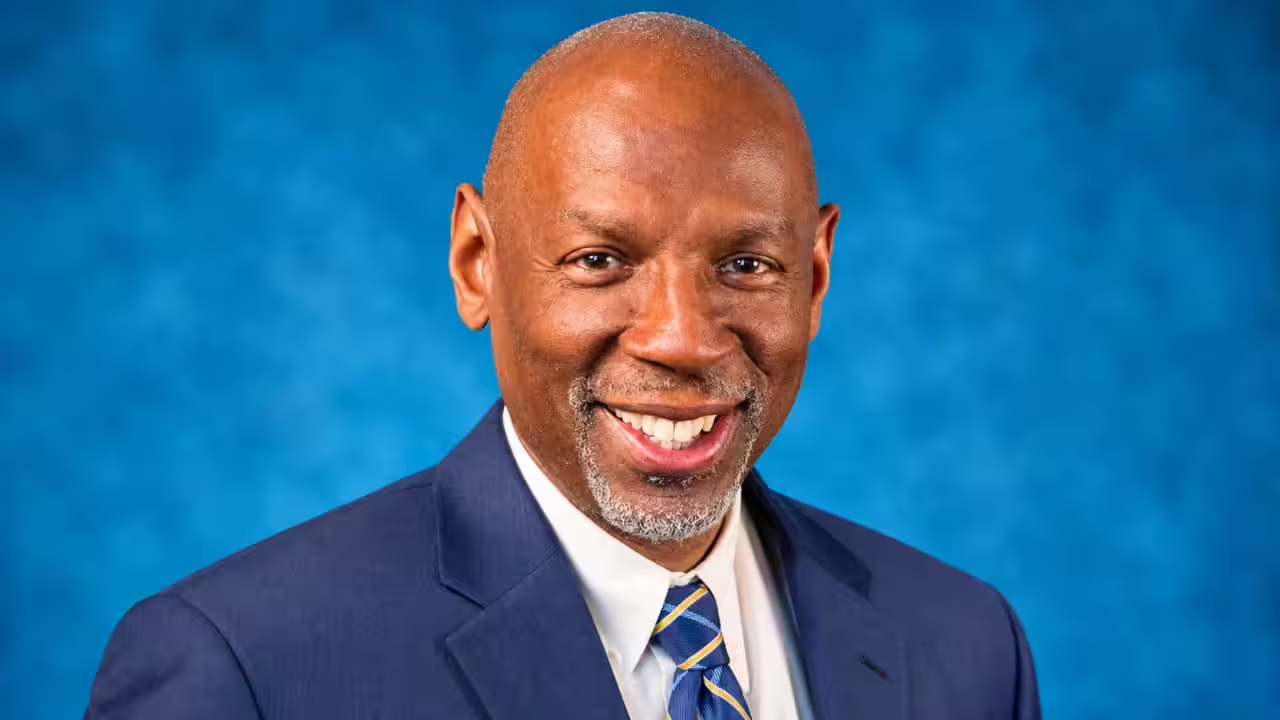
Geoffrey Canada’s Harlem Children’s Zone education project turned a single block in New York into a cradle-to-career network serving more than 34,000 students and families across 97 blocks of Central Harlem. Canada, an author and education innovator, launched it to help young people from under-resourced communities succeed. Its programmes run from early childhood support and charter schools to youth activities and community centres, all aimed at breaking the cycle of intergenerational poverty. More than 1,900 of its scholars have graduated from college, and the approach has since drawn organisations from across the United States and beyond seeking to replicate it.Inside the Zone, from The Baby College to charter schools that closed the achievement gapHarlem Children’s Zone reports on its impact page that The Baby College, its early childhood programme for ages up to three, has more than 7,900 graduates. The organisation also says it has closed the achievement gap at its Promise Academy Charter Schools, and that more than 1,000 of its scholars were studying at college during the 2025 financial year.The author behind the project: Geoffrey Canada’s books, honours and national voice for childrenCanada is also a writer. In Fist Stick Knife Gun, published by Beacon Press, he recounts growing up in a single-parent household in the South Bronx, which the organisation describes as one of the most devastated communities in the United States. Another book, Reaching Up for Manhood, draws on his years working with inner-city youth and his own turbulent boyhood to examine the emotional lives of boys. According to his profile on the organisation’s website, Time named him one of the world’s most influential people in 2011, and Fortune listed him among the 50 greatest leaders in 2014. Author Paul Tough chronicled his work in the 2008 book Whatever It Takes, and the project also featured in the documentary Waiting for Superman.From Harlem to the world, how the model spread across the United States and more than 80 countriesThe New York Times called the network “one of the most ambitious social-policy experiments of our time”. In 2010, President Barack Obama created the Promise Neighbourhoods Initiative to copy the Harlem approach in other neighbourhoods nationwide. The impact page of Harlem Children’s Zone adds that its Practitioners Institute has partnered with more than 600 organisations across the United States and more than 200 groups from over 80 countries seeking guidance on replicating the model. Its William Julius Wilson Institute, meanwhile, has worked with community organisations in more than 50 cities on place-based, cradle-to-career strategies.Why Geoffrey Canada came out of retirement in 2020 to launch the William Julius Wilson InstituteAfter 30 years, Canada stepped down as chief executive officer in 2014, the organisation’s leadership profile says, and Kwame Owusu-Kesse took over the role in 2020. Canada still serves as president of the boards of Harlem Children’s Zone and its Promise Academy. Also in 2020, he came out of retirement to launch the William Julius Wilson Institute, a national resource for place-based, people-focused solutions that open pathways to social and economic mobility. Its first initiative was a national relief and recovery effort against the damage the pandemic caused in communities across the country.You use AI every day. Now get your AI Quotient. Take the AIQ test.
Topics in this story
Gathered from external sources. Rights to this text belong to whoever originally published it.