FEMA just tested its Emergency Alert System. Here's why.
FEMA tested the Emergency Alert System on TVs and radios nationwide Tuesday. Cell phones did not receive the alert.
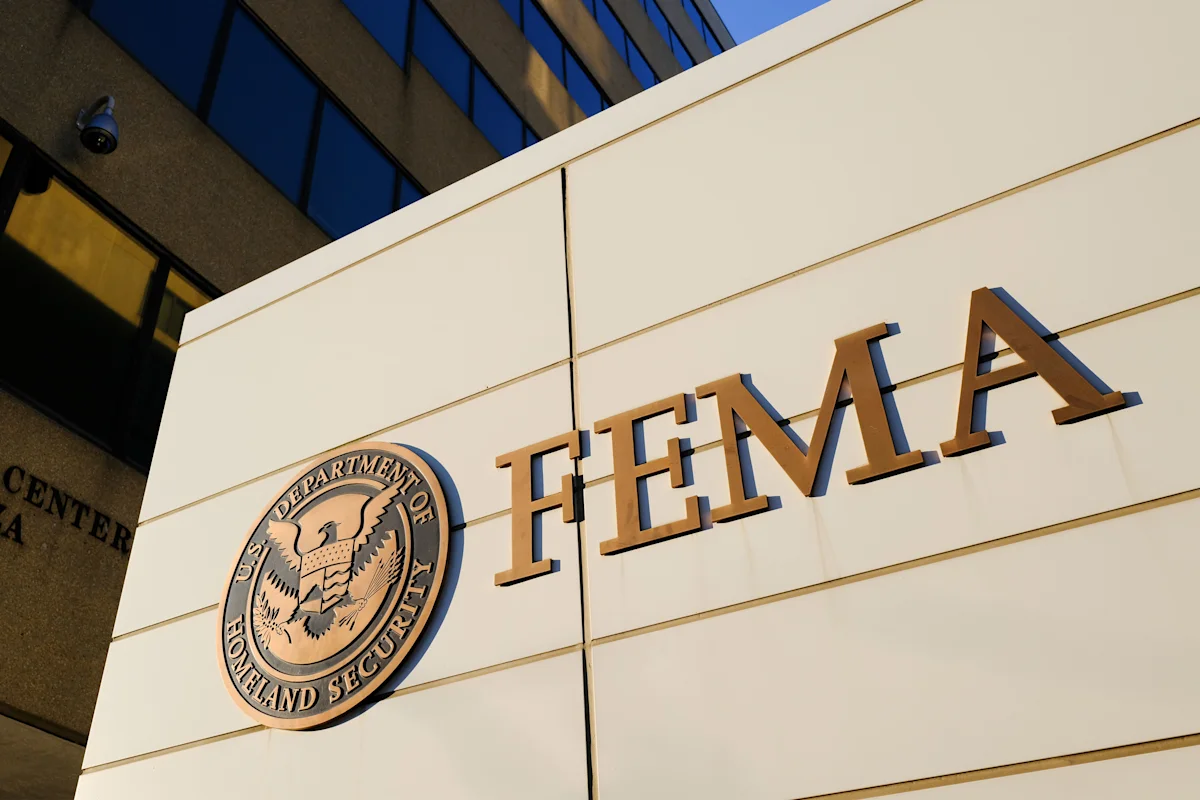
TVs and radios nationwide broadcast an emergency alert on Tuesday. But don't be alarmed; it was only a test. We repeat: It was only a test.
The Federal Emergency Management Agency (FEMA), along with the Federal Communications Commission (FCC), ran the alert to ensure the Emergency Alert System (EAS) for radio and television will work during an actual emergency, such as a natural disaster, terrorist attack or other threat to public safety.
Wireless phones did not receive the test alert.
The test was conducted amid online conspiracy theories that there would be a 90-day power outage starting Tuesday, which only intensified after last week's Microsoft global Outlook outage and the Federal Aviation Administration's rare ground stop. The federal government has not announced a nationwide 90-day blackout or plans to shut down the U.S. power grid. The rumors are centered around a Pentagon plan to ensure the military has access to critical energy, infrastructure and other resources in case of future disruptions.
FEMA quashed any rumors in an X post on Monday, saying, "We've heard a lot of rumors about tomorrow's EAS test. Let's clear things up. It lasts 1 minute, and no action is required. No blackouts, no secret emergencies."
But online speculation continued as the test was being carried out, particularly among social media users who were mistakenly expecting an alert to their phones or didn't understand that the alert wouldn't necessarily occur exactly at 2:20 ET where they were located.
Here's what you need to know about the FEMA test.
Radio and television broadcasters nationwide interrupted their programming with a message that generally said: "This is a nationwide test of the Emergency Alert System, issued by the Federal Emergency Management Agency. This is only a test. No action is required by the public."
According to FEMA , the Emergency Alert System involves thousands of independently operated radio, television, cable, satellite and wireline broadband providers. Since they use different equipment, the visual or audio formats may have differed by station.
"The test will include alert tones to support accessibility for individuals who are deaf or hard of hearing," FEMA said before the test was run. And depending on the broadcaster and their capabilities, the message was delivered in English, Spanish or both.
The test wasn't delivered at the exact same time for every American. Because the message had to be carried by "thousands of independently operated radio, television, cable, satellite, and broadband providers," it was received at different times between 2:20 and 2:50 p.m. ET, FEMA said.
TVs and radios that were turned on and tuned to a broadcast station, cable system, satellite radio or television provider, or wireline video service received the test from the EAS, which lasted about one minute.
Why was there a national emergency test?
Federal law requires FEMA to test the Integrated Public Alert and Warning System (IPAWS) at least once every three years. The last national test was conducted on Oct. 4, 2023.
Topics in this story
Gathered from external sources. Rights to this text belong to whoever originally published it.